L-Theanine in Pregnancy: Safety, Tea, Supplements, and Sleep in 2026
L-theanine in pregnancy comes up often for a simple reason: when you're pregnant, stress, poor sleep, and caffeine sensitivity can all show up at once. L-theanine, best known as a calming compound in tea, is often marketed as a gentler way to relax or sleep better. But "natural" does not necessarily mean well studied in pregnancy.
Below, you'll find an evidence-based look at what L-theanine is, what we know about safety, where the research is still limited, and which food-first or non-supplement options may make more sense to try first.
What L-Theanine Is And Why Pregnant Patients Ask About It
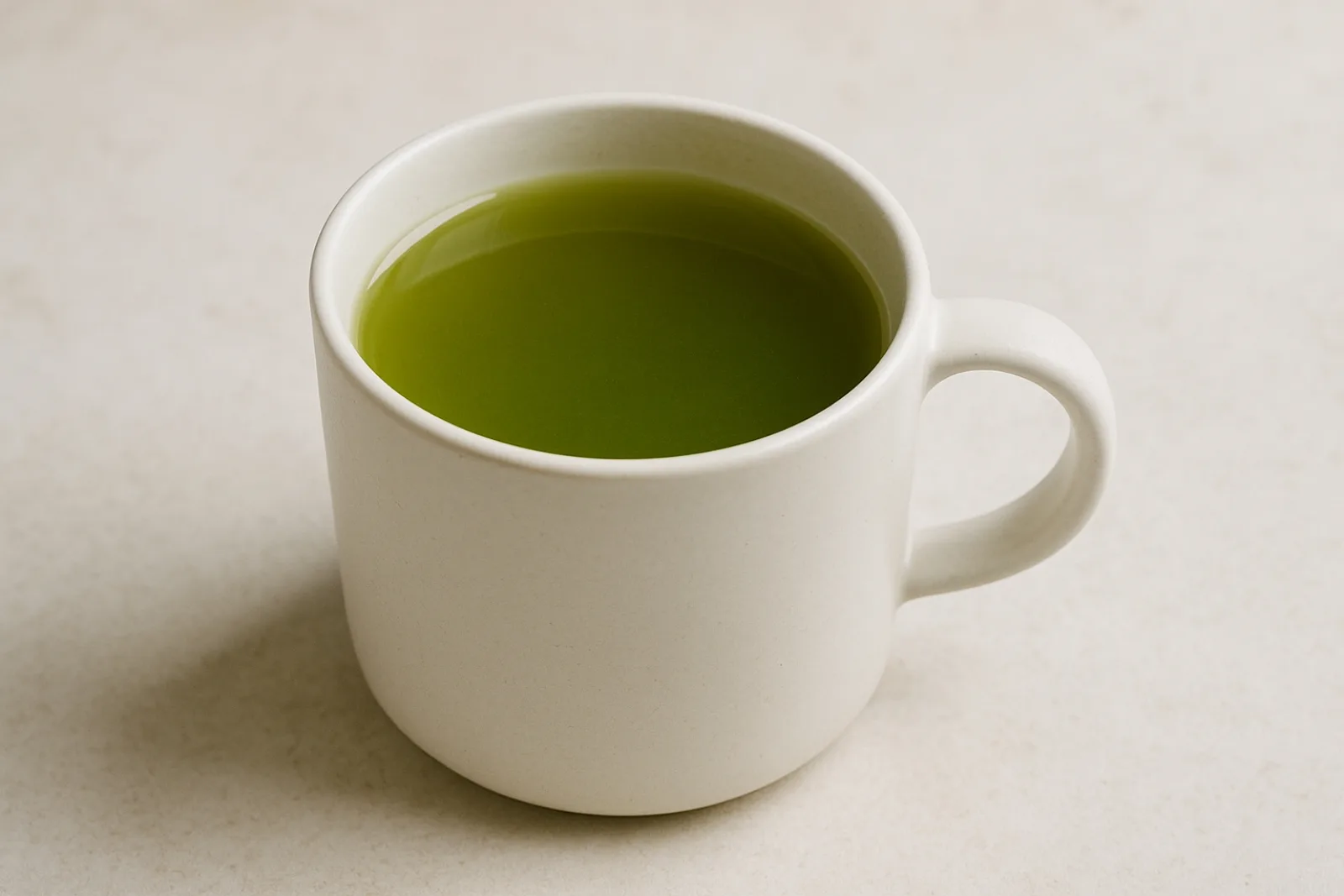
L-theanine is a non-protein amino acid found mainly in the leaves of Camellia sinensis, the tea plant used to make green, black, white, and oolong tea. It also appears in smaller amounts in some mushrooms. Among teas, green tea and matcha are usually richest in L-theanine.
People often ask about L-theanine during pregnancy because it's associated with a calm, focused feeling. In non-pregnant adults, it has been studied for relaxation, stress support, attention, and sleep quality. That makes it sound appealing if you're dealing with racing thoughts, restless sleep, or trying to cut back on caffeine.
There are two common ways people get it:
- Naturally in tea.
- As a concentrated supplement, alone or blended with other calming ingredients.
That difference matters. Drinking tea is not the same as taking a capsule or powder. Tea contains smaller, naturally occurring amounts of these compounds, along with other compounds, while supplements can deliver much higher doses with less pregnancy-specific safety data.
Is L-Theanine Safe During Pregnancy? What the Evidence Can and Cannot Tell Us
This is the key question, and the honest answer is we do not have enough high-quality human research to say that L-theanine supplements are proven safe during pregnancy.
Most of the published research involves non-pregnant adults. Some animal research has raised questions about high-dose exposure from green tea extracts, including developmental changes in fetal nervous tissue and lower maternal and fetal body weight at higher doses.
Studies on green tea extract are not the same as studies on L-theanine. Green tea extract contains multiple active compounds, so animal findings from high-dose green tea extract cannot tell us whether isolated L-theanine is safe or unsafe in pregnancy.
Animal findings do not automatically predict human outcomes, but they are one reason clinicians stay cautious.
What the evidence can tell us:
- L-theanine in tea is commonly consumed in the diet.
- Moderate tea intake can fit into pregnancy for many people.
- Supplemental L-theanine has recognized use outside pregnancy.
What the evidence cannot tell us:
- A clearly established safe supplemental dose in pregnancy.
- Whether long-term fetal effects have been adequately studied.
- Whether benefits outweigh risks for routine use during pregnancy.
A medical note: if you have symptoms such as severe anxiety, insomnia, dizziness, or low blood pressure, it's important to discuss them with your prenatal clinician rather than self-treating with supplements.
Possible Benefits for Sleep, Stress, and Anxiety During Pregnancy
In the general population, L-theanine may support relaxation without acting like a sedative. Research suggests it may increase alpha brain wave activity, which is linked with a relaxed but alert state. Some studies also suggest it may help with sleep quality, stress response, focus, and working memory.
That said, pregnancy-specific evidence is lacking. We do not have strong clinical trials showing that L-theanine reliably improves sleep, stress, or anxiety during pregnancy itself.
Still, there are plausible reasons it gets attention:
- It may help smooth out the stimulating effects of caffeine.
- It may support relaxation without causing heavy daytime drowsiness.
- Tea containing L-theanine can feel soothing as part of a bedtime or afternoon routine.
For some people, a cup of decaf green tea may offer a practical middle ground: a small dietary amount of L-theanine plus a calming ritual, with little to no caffeine. But it's important not to overstate the effect. If sleep or anxiety symptoms are persistent, they deserve professional attention, especially in pregnancy and postpartum.
Known Risks, Side Effects, and Medication Considerations
Potential L-theanine side effects reported in adults can include:
- Headache.
- Dizziness.
- Nausea or other mild gastrointestinal symptoms.
- Lower blood pressure in some situations.
The blood pressure piece is especially relevant in pregnancy. Some reports suggest supplemental doses around 200 mg or more may have an antihypertensive effect in certain adults. That does not mean everyone will experience it, but it does mean caution is reasonable, particularly if you already have low blood pressure, feel faint easily, or take medications that affect blood pressure.
Tea adds another layer: caffeine. If your L-theanine source is green tea, black tea, or matcha, you also need to count the caffeine toward your daily pregnancy limit.
You should be especially careful with supplements if you:
- Take blood pressure medication.
- Take sedating medications or multiple calming supplements.
- Have a history of low blood pressure, dizziness, or fainting.
- Are using a multi-ingredient sleep formula.
If you're considering L-theanine in supplement form, reviewing it with your OB-GYN, midwife, or pharmacist is the safest next step.
How Much L-Theanine Is in Tea vs Supplements
One reason L-theanine in pregnancy is hard to evaluate is that dosing varies a lot.
In tea, L-theanine content is naturally variable and depends on the tea type, growing conditions, and preparation method. Matcha and green tea tend to contain more than black tea, but exact amounts are not reliably listed on most labels. Tea also contains other compounds that may influence how you feel, including caffeine and polyphenols.
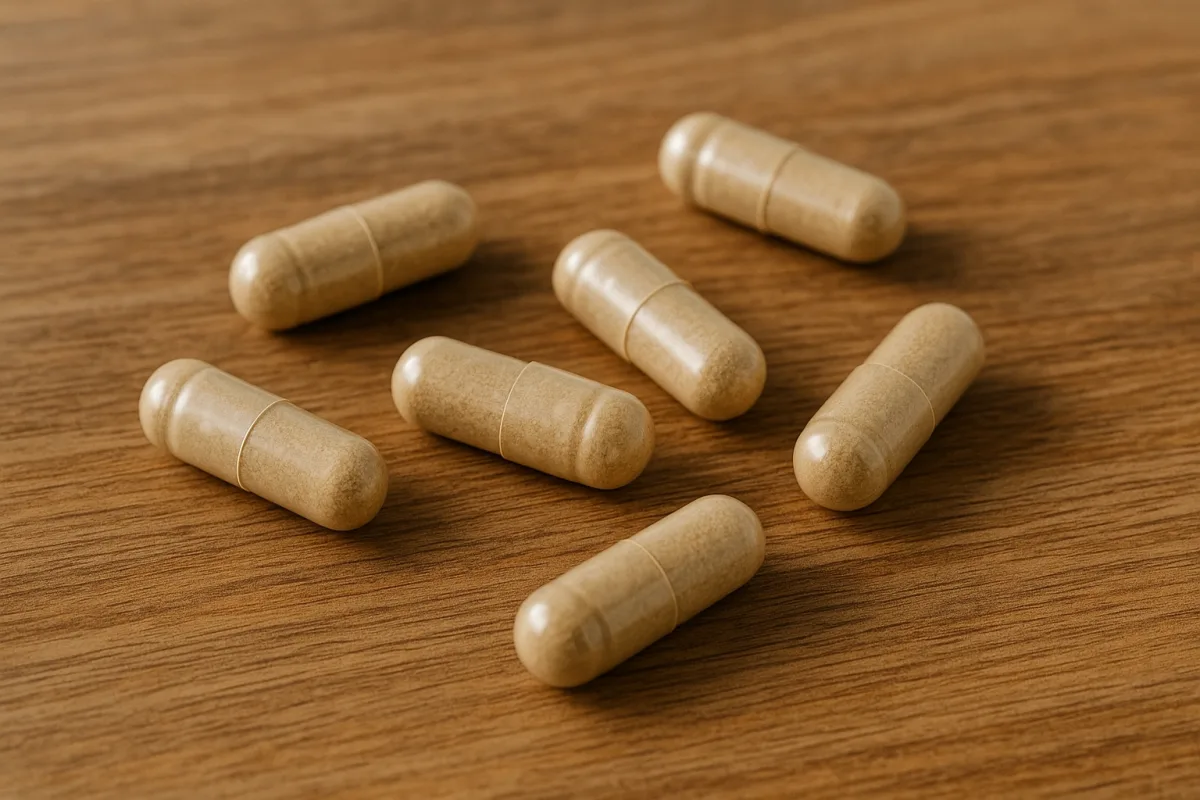
Supplements are different because they provide a measured, concentrated dose. Typical products range from about 50 to 400 mg per day.
Here's the practical takeaway:
| Source | Typical amount | Pregnancy considerations |
|---|---|---|
| Green or black tea | Variable, usually modest | Count caffeine; keep intake moderate |
| Decaf green tea | Variable, low caffeine | Food-first option for some people |
| L-theanine supplement | 50–400 mg | No clearly established pregnancy-safe dose |
Tea is generally the lower-exposure option. Supplements are the higher-uncertainty option.
Look up the safety of any food, drink, or ingredient in the app for quick, trusted answers.

Safer First-Line Options to Try Before an L-Theanine Supplement
Before trying an L-theanine supplement in pregnancy, it usually makes sense to start with lower-risk strategies that have a better safety track record.
Food-first and routine-based options
- Decaf green tea in modest amounts, if tolerated.
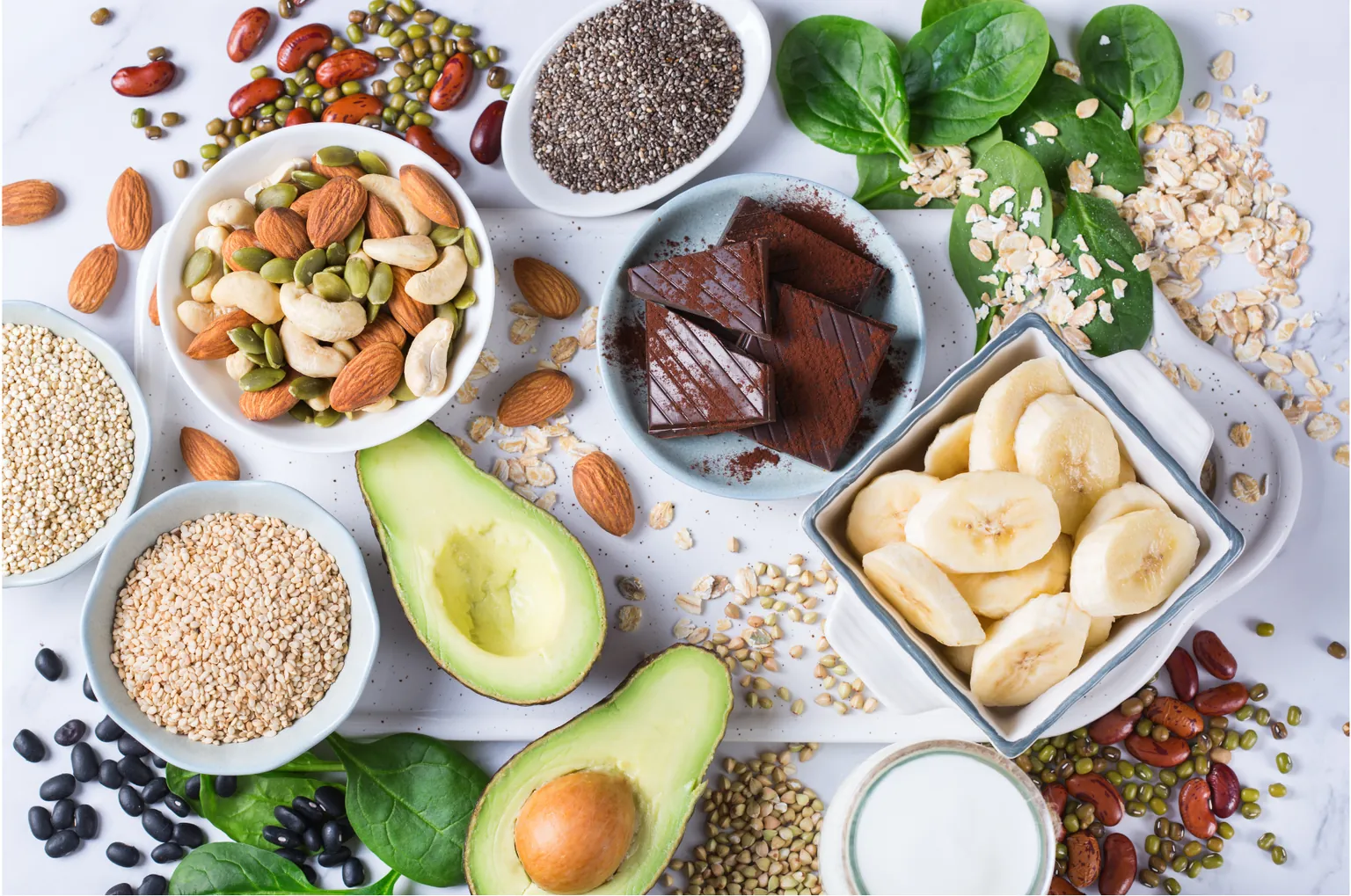
- A balanced evening snack with protein and complex carbohydrate for overnight blood sugar stability.
- Regular meals during the day, which can help reduce stress from under-fueling.
Non-supplement strategies for sleep and stress
- A consistent sleep and wake time.
- Light daytime movement, such as walking.
- Prenatal yoga or stretching if your clinician says it's appropriate.
- Breathing exercises, mindfulness, or short guided meditation.
- Reducing late-day caffeine.
- Limiting bright screens before bed.
Why these come first
They are better studied, lower risk, and often helpful even when the problem is multifactorial, which it usually is in pregnancy.
Supplement Suggestion
If you are struggling with sleep, we recommend this sleep product. Pregnancy-safe and melatonin-free nutrients, including magnesium and L-theanine, support a calm mind and optimal sleep quality. Use code RYANN at checkout.
When to Seek Medical Advice
Please contact your healthcare provider if you have:
- Ongoing insomnia.
- Significant anxiety or panic symptoms.
- Dizziness, fainting, or low blood pressure symptoms.
- Concerns about a supplement you already took.
A prenatal clinician or registered dietitian can help you sort out what is nutrition-related, what is medication-related, and what needs further evaluation.
Conclusion
L-theanine is a tea-derived amino acid with potential calming effects, but its safety in pregnancy has not been clearly established. Tea intake in moderation is generally the more conservative route.
For now, the most evidence-based approach is cautious: L-theanine supplements are not well studied enough in pregnancy to recommend routinely, while moderate tea intake is usually the more reasonable food-first option. If you have more questions, book a quick question call with one of our dietitians.
Frequently Asked Questions
Is L-theanine safe to take during pregnancy?
There is not enough high-quality human research to say L-theanine supplements are proven safe in pregnancy. Most evidence is from non-pregnant adults, and there is no clearly established pregnancy-safe dose. Talk with your OB-GYN, midwife, or a prenatal dietitian before starting any L-theanine supplement.
Can I drink green tea or matcha while pregnant?
Yes, moderate green tea or matcha intake fits into pregnancy for many people, but you need to count the caffeine toward your daily limit. Tea provides smaller, naturally occurring amounts of L-theanine alongside other tea compounds, which is generally a lower-exposure option than concentrated supplements.
Does L-theanine help with pregnancy insomnia or anxiety?
In non-pregnant adults, L-theanine may support relaxation and sleep quality, but pregnancy-specific clinical evidence is lacking. Persistent insomnia or anxiety in pregnancy deserves professional evaluation rather than self-treatment with supplements. Food-first habits, consistent sleep timing, and breathing or mindfulness practices are better-studied first steps.
How much L-theanine is in tea compared with a supplement?
Tea contains variable, generally modest amounts of L-theanine, with matcha and green tea on the higher end and black tea lower. Supplements typically deliver a measured 50 to 400 mg per day, a much higher and more concentrated dose than what you get from a normal cup of tea.
What are the side effects of L-theanine?
Reported side effects in adults can include headache, dizziness, mild nausea or stomach upset, and lower blood pressure at higher doses (around 200 mg or more in some reports). The blood pressure effect is especially relevant in pregnancy if you already have low blood pressure, feel faint easily, or take blood pressure or sedating medications.
Should I take an L-theanine supplement instead of cutting caffeine in pregnancy?
No. L-theanine is not a substitute for keeping caffeine within recommended pregnancy limits. If caffeine is affecting your sleep or making you jittery, the better first step is to reduce caffeine, especially later in the day, rather than layering a supplement on top.

Ryann Kipping
Licensed Dietitian & Founder of The Prenatal Nutrition Library
Prenatal dietitian with a Master's in Public Health and author of The Feel-Good Pregnancy Cookbook. Founder of The Prenatal Nutrition Library App.

Make pregnancy nutrition simple.
Get custom meal plans, 600+ dietitian-approved recipes, and our "Can I eat…?" search—plus, trimester-by-trimester nutrition priorities and more.