Is Sesame Oil Safe During Pregnancy? What to Know Before You Cook, Eat, or Apply It
Sesame oil shows up in stir-fries, salad dressings, bread, marinades, and even some skin products, so it's not surprising that many parents-to-be ask whether it's safe in pregnancy.
The short answer: for most people, sesame oil is safe to eat during pregnancy when used as a normal culinary oil. The bigger questions usually involve allergy risk, food safety, and myths claiming sesame can trigger miscarriage or labor.
Here's what the current evidence suggests, plus how to use sesame oil safely and effectively.
What Sesame Oil Is And Why Pregnancy Safety Questions Come Up
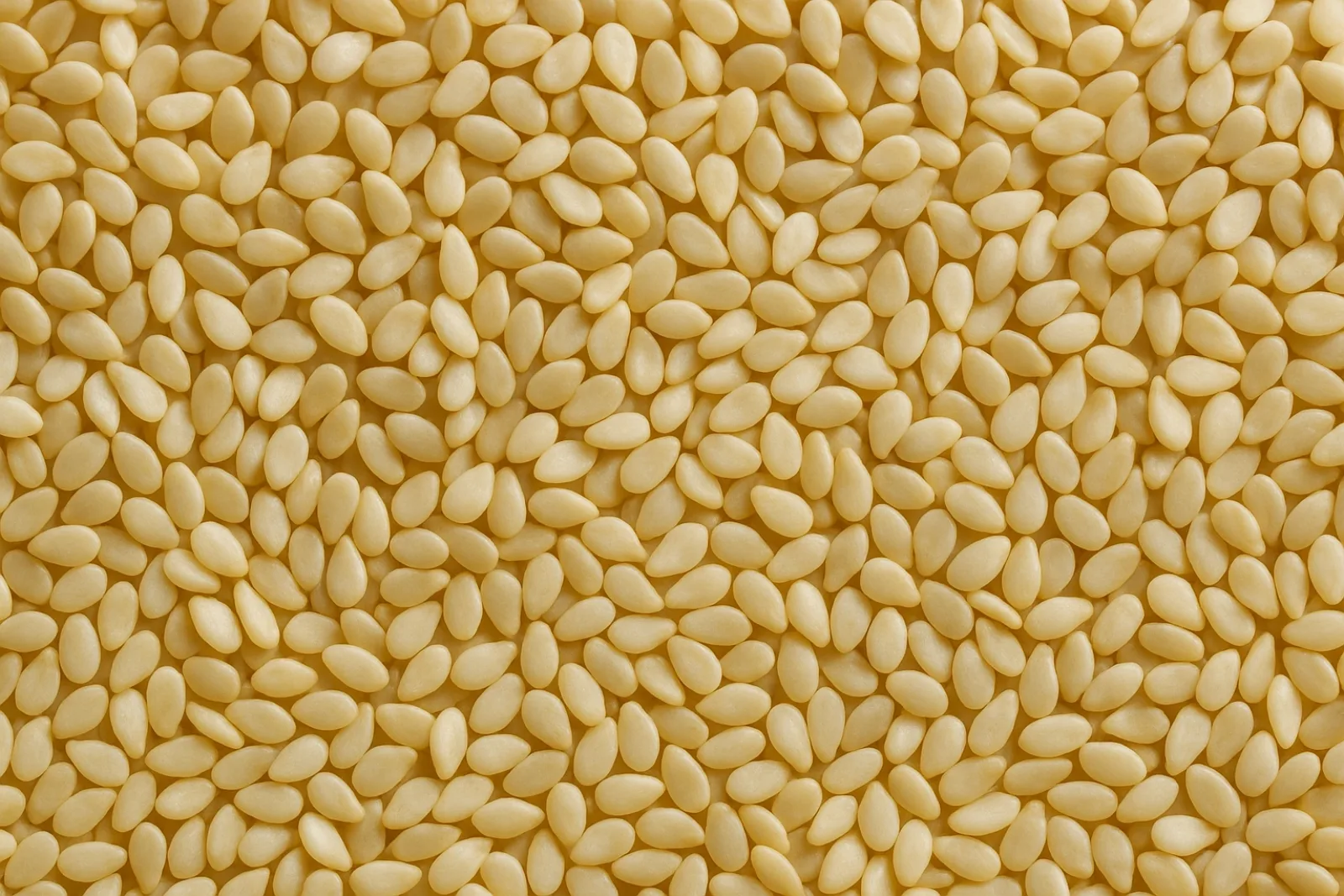
Sesame oil is made from sesame seeds (Sesamum indicum). Depending on how it's processed, it may be light and neutral or dark and toasted with a stronger flavor.
Nutritionally, sesame oil contains mostly unsaturated fats, including monounsaturated and polyunsaturated fatty acids, along with small amounts of vitamin E and plant compounds called lignans (1).
So why do pregnancy safety questions come up so often?
A few reasons:
- Traditional beliefs: In some systems of traditional medicine, sesame is described as a "heating" food. That has led to concern that it might increase miscarriage risk or start labor.
- Food safety confusion: People sometimes mix up sesame oil with sesame seeds, tahini, or sesame-based sauces. Those foods may carry different food safety considerations than refined oil.
- Allergy awareness: Sesame is now recognized as a major allergen, so it makes sense to ask whether pregnancy changes that risk (2).
- Topical and herbal products: Sesame oil is also used in massage oils and herbal blends, which may not be regulated the same way food products are (3).
In other words, the concern is understandable, but the form of sesame matters.
Is Sesame Oil Safe to Eat During Pregnancy?
For most pregnant people, yes, sesame oil is safe to eat in typical food amounts during pregnancy.
There is no good evidence that using sesame oil in cooking causes harm, miscarriage, or preterm labor. So, yes, you can eat products containing sesame oil in the first, second, and third trimesters of pregnancy.
In normal portions, it can be part of a balanced prenatal diet, much like olive oil or avocado oil. It adds flavor, helps with the absorption of fat-soluble vitamins, and can fit into meals that include vegetables, grains, legumes, fish, eggs, or meat.
A few practical points matter here:
- Use it as a flavoring oil, not a "megadose" health food. A drizzle on noodles, vegetables, or dressing is very different from taking concentrated products.
- Moderation still applies. Like all oils, sesame oil is calorie-dense.
- Food form matters. Processed sesame oil does not carry the same concerns people may hear about with certain raw or minimally processed sesame products.
If you enjoy the taste, it's reasonable to include sesame oil as one of several fats in your kitchen. For overall pregnancy nutrition, it still helps to prioritize a mix of fats from whole foods, too, such as salmon, eggs, avocado, nuts, seeds, dairy, and olive oil (1).
You can learn more about the best fats, carbs, and protein options for pregnancy inside the app. Try it free here to know what to eat for a healthy pregnancy. Plus, use our robust search feature to look up the safety of any food, drink, ingredient, or supplement.
When Sesame Oil May Not Be Safe
Sesame oil is generally well tolerated, but there are a few situations where extra caution makes sense.
First, if you have a known sesame allergy, you should avoid sesame oil unless your allergy specialist has told you otherwise. Some sesame oils may contain enough sesame protein to trigger symptoms in sensitive people.
Second, be cautious with non-culinary sesame oil products, especially herbal, imported, or medicinal products that do not clearly list ingredients or safety information. These may contain additional herbs or compounds that have not been well-studied during pregnancy.
Third, if a product is used to treat symptoms, such as constipation, labor preparation, or a skin condition, it's worth asking whether there is evidence to support it.
A gentle reminder: if you notice hives, swelling, vomiting, trouble breathing, severe itching, or any other concerning reaction after eating or applying a product, seek prompt medical advice. Pregnancy can overlap with new or changing sensitivities, and symptoms should be taken seriously without assuming the cause on your own.
Sesame allergy and cross-reactivity risks
Sesame allergy is uncommon overall, but it is a recognized food allergy and can be serious.
Symptoms may include:
- Itching in the mouth.
- Hives or rash.
- Swelling of the lips or face.
- Stomach pain, vomiting, or diarrhea.
- Wheezing or breathing trouble.
If you already know you react to sesame seeds, tahini, or foods containing sesame, sesame oil may not be safe for you. Highly refined oils sometimes contain less protein, but that does not make them automatically safe for everyone with an allergy.
Cross-reactivity can be complex. If you have a history of multiple food allergies, pollen-food reactions, or prior unexplained reactions to seed-based foods, it's smart to ask an allergist or physician before using sesame regularly.
Concerns with unregulated herbal or medicinal sesame oil products
Topical sesame oil used in cosmetics or basic skin care appears to have a low toxicity risk based on available safety reviews. That said, "natural" does not always mean well tested in pregnancy.
Be more cautious with:
- Herbal sesame oil blends.
- Oils marketed for detox, fertility, miscarriage prevention, or labor induction.
- Imported products without clear labeling.
- Ingestible oils sold as remedies rather than foods.
These products may contain botanicals, essential oils, or contaminants that are not clearly listed on the label. Pregnancy is not the best time to experiment with unregulated remedies.
If your skin is dry and you want to use plain sesame oil externally, that is likely low risk for most people without an allergy. But if you plan to use it medicinally, internally in large amounts, or near the end of pregnancy for a specific purpose, it's best to ask your healthcare provider first.
Does Sesame Oil Affect Fertility, Miscarriage Risk, or Labor?
This is where myths tend to travel faster than evidence.
At this time, there is no strong scientific evidence that eating sesame oil affects fertility, causes miscarriage, increases uterine contractions, leads to bleeding, or starts labor. The common claim that sesame is a "hot" or "heat-producing" food comes from traditional belief systems, not from modern clinical evidence.
For people trying to conceive, sesame-containing foods can simply be part of a varied diet. Sesame seeds provide minerals such as calcium and iron, and sesame oil contributes fat and flavor, but neither should be viewed as a fertility treatment or a fertility threat.
The same goes for miscarriage fears. Miscarriage is common and often happens because of factors outside your control, usually early developmental or chromosomal issues. Everyday culinary use of sesame oil has not been shown to cause pregnancy loss.
And near the end of pregnancy, there is no reliable evidence that adding sesame oil to your meals will induce labor. Get our Nutrition for Labor prep guide inside the app to learn what matters most in prepping your body for labor.
So if sesame oil is part of your cooking style, there is no reason to avoid it solely because of internet myths. Focus instead on your overall dietary pattern: enough calories, enough protein, regular intake of iron-rich foods, omega-3 sources, fiber, and a variety of nutrient-dense meals.
How To Use Sesame Oil Safely During Pregnancy
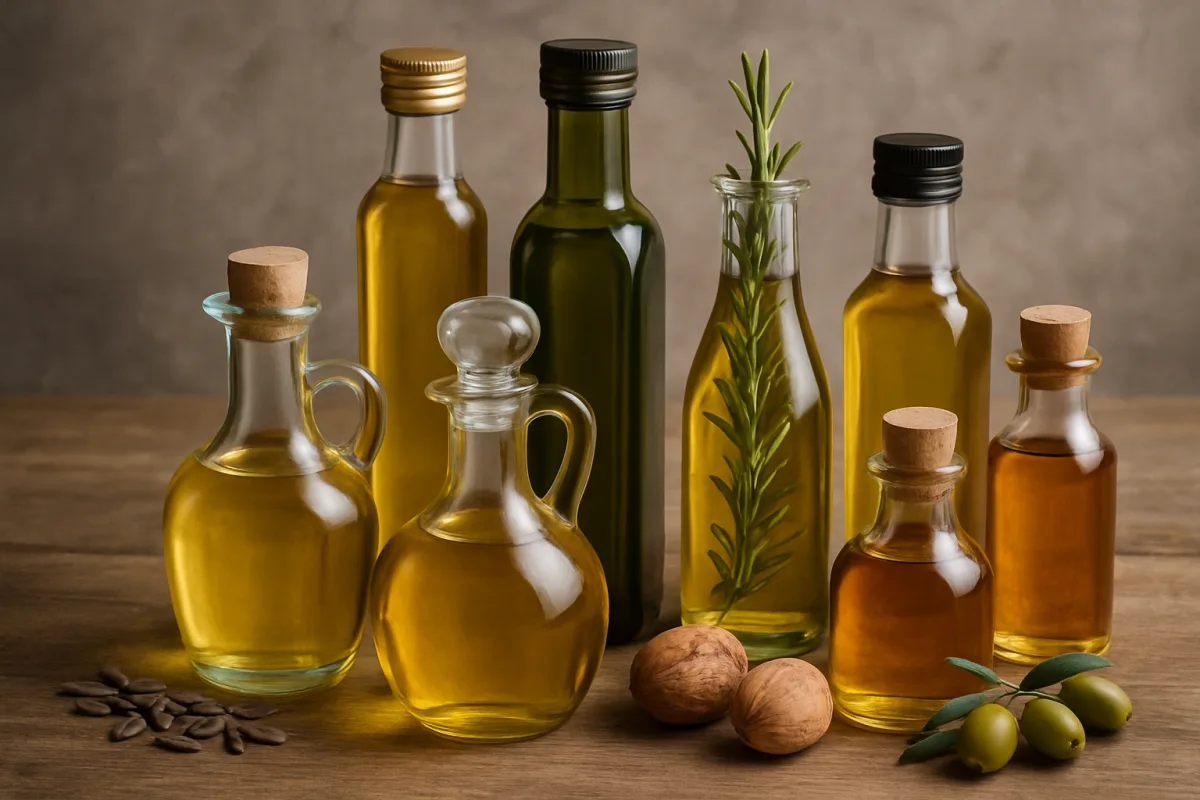
The simplest approach is also the most useful: use sesame oil as a regular cooking ingredient in moderate amounts, and choose reputable products.
Practical tips
- Use it for flavor. Toasted sesame oil is strong, so a little goes a long way in stir-fries, dressings, noodles, rice bowls, or marinades.
- Rotate your fats. Sesame oil can be part of your fat intake, alongside extra-virgin olive oil, avocado oil, butter, ghee, nuts, seeds, dairy, eggs, and fatty fish.
- Check labels carefully. This matters most if you have allergies or are buying blended oils.
- Store it well. Keep oils sealed and away from heat and light to help preserve quality.
- Be careful with supplements and remedies. Culinary use is different from medicinal dosing.
- Ask before using it on your skin if you have an allergy history. Patch testing and medical guidance may help if you're sensitive.
A simple guide:
| Use | Generally considered safe in pregnancy? | Notes |
|---|---|---|
| Cooking and dressings | Yes, for most people | Use normal food amounts |
| Eating sesame-containing meals | Yes, for most people | Avoid if allergic |
| Plain topical use | Likely low risk | Stop if irritation occurs |
| Herbal/medicinal sesame oil products | Use caution | Ask your healthcare team |
Plain-language summary
For most people, sesame oil is safe during pregnancy when used in food. It does not appear to raise miscarriage risk or trigger labor. The main reasons to avoid it are a sesame allergy, irritation, or the use of unregulated medicinal products.
When to seek medical advice
Talk with a healthcare provider promptly if you:
- Have a known or suspected sesame allergy.
- Develop hives, swelling, vomiting, or breathing symptoms after exposure.
- Want to use sesame oil in herbal remedies or concentrated products.
Our registered dietitian nutritionists with prenatal experience can help you safely decide what fits your needs. Book a Quick Question Call or apply for private nutrition coaching here.
Use the TPNL app for
- Looking up the safety of certain foods for pregnancy.
- Finding pregnancy-friendly recipes for specific symptoms, your trimester, and nutrient needs.
- Getting a weekly meal plan based on your stage and dietary preferences.
- Managing gestational diabetes.
- Connecting with our registered dietitians in the community forum for general educational questions.
Frequently Asked Questions
Is sesame oil safe to eat during pregnancy?
Yes, sesame oil is generally safe to eat during pregnancy when used in normal cooking amounts. It provides healthy fats and adds flavor without evidence of causing miscarriage or preterm labor.
Can using sesame oil during pregnancy trigger labor or miscarriage?
Current scientific evidence shows no link between sesame oil consumption and triggering labor, miscarriage, or fertility problems. Traditional beliefs about sesame as a "heating" food are not supported by clinical studies.
Should pregnant women with sesame allergies avoid sesame oil?
If you have a known sesame allergy, it's best to avoid sesame oil unless advised by an allergy specialist, as some sesame oils may contain proteins that can cause allergic reactions, including severe symptoms.
Is it safe to use topical sesame oil on skin during pregnancy?
Topical use of plain sesame oil is likely low risk in pregnancy for most people without allergies. However, avoid unregulated herbal or medicinal sesame oil products and consult your healthcare provider before use.
What precautions should pregnant women take when using sesame oil products?
Pregnant people should use sesame oil in moderation, check product labels for allergens, avoid unregulated herbal blends, and seek medical advice if experiencing allergic symptoms or considering medicinal use of sesame oil.
Does sesame oil affect fertility or pregnancy outcomes?
Sesame oil does not negatively affect fertility or pregnancy outcomes. It contains beneficial nutrients but should not be considered a treatment or risk factor for miscarriage or labor induction.

Ryann Kipping
Licensed Dietitian & Founder of The Prenatal Nutrition Library
Prenatal dietitian with a Master's in Public Health and author of The Feel-Good Pregnancy Cookbook. Founder of The Prenatal Nutrition Library App.

Make pregnancy nutrition simple.
Get custom meal plans, 600+ dietitian-approved recipes, and our "Can I eat…?" search—plus, trimester-by-trimester nutrition priorities and more.