Chicory Root In Pregnancy: Safety, Benefits, And When To Be Cautious In 2026
If you're pregnant and scanning labels more closely than ever, you may have noticed chicory root showing up in coffee alternatives, fiber bars, yogurts, and digestive supplements. It's often added for its inulin, a prebiotic fiber linked to gut health and regularity. But pregnancy changes the safety conversation.
While chicory root is generally considered acceptable for the non-pregnant population, research during pregnancy is limited, especially for concentrated forms such as extracts, powders, and supplements.
Here's what the current evidence suggests, where caution makes sense, and how to think about chicory root in pregnancy without unnecessary fear.
What Chicory Root Is And Why Pregnant Women Encounter It
Chicory comes from a plant in the dandelion family. Different parts of the plant can be eaten, but chicory root is most often dried, roasted, and used in drinks or processed foods. You'll commonly see it listed as chicory root, chicory root fiber, or inulin.
Pregnant women usually encounter chicory root in a few places:
- Herbal or caffeine-free coffee alternatives
- New Orleans-style coffee blends
- High-fiber snack bars and cereals
- Protein shakes or smoothies
- "Reduced-calorie" yogurts and frozen desserts
- Gluten-free breads and waffles
- Digestive health or prebiotic supplements
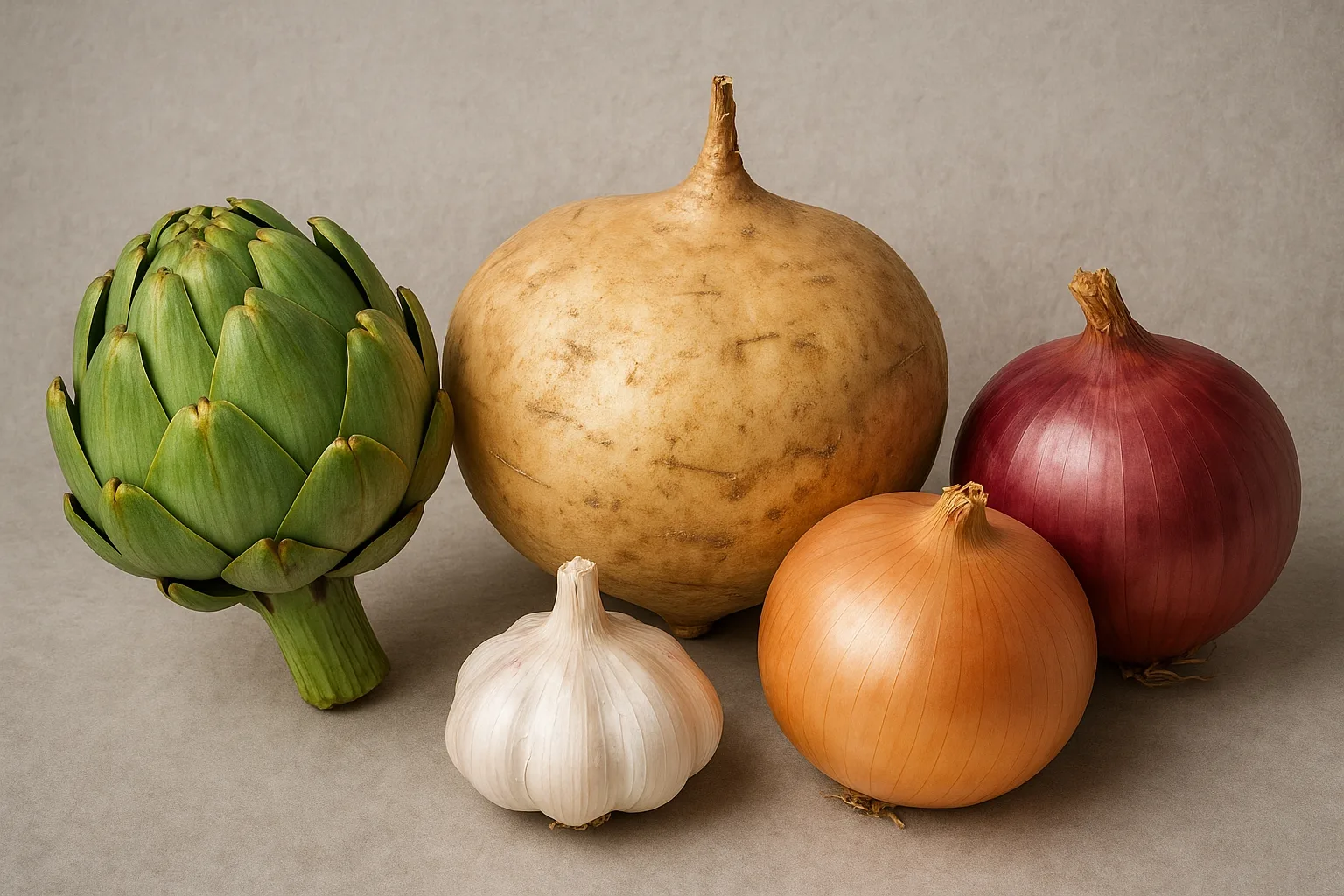
Inulin occurs naturally in foods too, including onions, garlic, leeks, asparagus, jicama, artichokes, and slightly green bananas. That matters, because eating foods that naturally contain inulin is very different from taking a concentrated chicory supplement.
In pregnancy, that distinction is important: whole foods are generally well understood, while concentrated chicory root products are less studied.
Is Chicory Root Safe During Pregnancy? What The Evidence Suggests
The short answer: we don't have enough pregnancy-specific research to say chicory root is clearly safe in supplemental or medicinal amounts.
For the general population, chicory root and chicory-derived fibers are widely used in foods. But during pregnancy, experts tend to be more cautious because large amounts of chicory root have traditionally been associated with menstrual stimulation and possible uterine activity. That doesn't mean a food containing a little chicory root is likely to be harmful. It does mean concentrated use is harder to justify when stronger safety data are missing.
Consuming a yogurt, cereal, or snack bar containing inulin or chicory root is not an issue or cause for concern. The bigger concern is regular use of supplements, extracts, herbal preparations, or large amounts of chicory coffee substitute.
If you're trying to conceive, a practical approach is to eat as if early pregnancy is possible. And if you're breastfeeding, safety data are also limited, so caution is reasonable there, too.
This article is educational and not a substitute for medical care. If you have symptoms, a high-risk pregnancy, or questions about a product you use often, chat with our dietitians in the app!
Potential Benefits Of Chicory Root During Pregnancy
Chicory root gets attention because it contains inulin, a fermentable prebiotic fiber that feeds beneficial gut bacteria. In non-pregnant adults, inulin has been studied for digestive health, stool regularity, and possible support for blood sugar control.
That sounds appealing in pregnancy, especially if you're dealing with constipation or trying to reduce caffeine. Chicory root may also contain small amounts of nutrients such as potassium, manganese, vitamin B6, and folate, though it's usually not eaten in large enough amounts to serve as a major nutrient source.
The most realistic benefit is probably this: it may help increase fiber-related digestive support, particularly when used in food.
Still, benefits should be weighed against the limited data on pregnancy safety. In other words, chicory root may have useful properties, but pregnancy is not the time to experiment with high-dose prebiotic powders or herbal products on your own.
How Inulin May Affect Digestion, Constipation, And Blood Sugar
Inulin draws water into stool and can support bowel regularity, which may help with pregnancy constipation. It also ferments in the gut, producing compounds that may support the intestinal environment and possibly improve mineral absorption.
Some studies suggest that inulin-type fibers may help moderate post-meal blood sugar and insulin response. That could be relevant if you're focused on balanced blood sugar patterns, including during gestational diabetes care. But chicory root should not be treated as a therapy.
And there's a catch: the same fermentation that helps some people can cause gas, bloating, and cramping in others.
Possible Risks, Side Effects, And Who Should Avoid It
The main concern with chicory root in pregnancy is uncertainty. Small food amounts differ significantly from concentrated products, but the research gap suggests a cautious approach is sensible.
Possible side effects include:
- Gas and bloating
- Abdominal cramping
- Loose stools or diarrhea
- Worsening digestive discomfort if you're sensitive to fermentable fibers
Some people may also have an allergic reaction to chicory, especially if they are sensitive to related plants or birch pollen. Symptoms such as mouth itching, throat swelling, rash, or changes in breathing need prompt medical attention.
You may want to avoid chicory root supplements or herbal preparations if you:
- Have a high-risk pregnancy
- Have a history of unexplained bleeding or uterine irritability
- Know you react poorly to inulin or high-FODMAP fibers
- Have plant allergies involving ragweed, birch, or related botanicals
Gentle reminder: digestive symptoms, bleeding, contractions, or severe bloating in pregnancy can have many causes. Don't self-diagnose a deficiency or condition based on food reactions alone; contact your healthcare provider if symptoms persist or are concerning.
How To Use Chicory Root More Safely During Pregnancy
If you're wondering how cautious you need to be, a food-first framework helps.
Most practical guidance: avoid high-dose chicory root supplements, extracts, and "digestive support" blends during pregnancy unless your clinician specifically recommends them.
Safer approaches may include:
- Prioritize natural prebiotic foods like onions, garlic, leeks, asparagus, jicama, and artichokes
- If a packaged food contains a small amount of inulin or chicory root, don't assume it's dangerous
- Keep portions modest if using a chicory-based coffee alternative and discuss it with your prenatal clinician
- Stop use if you notice cramping, diarrhea, significant bloating, or an allergic-type reaction
If constipation is the goal, start with better-supported basics:
- More fluids
- Gradual fiber from whole foods
- Regular movement, if approved in pregnancy
- Fiber-rich foods such as oats, beans, fruit, vegetables, chia, and whole grains
If you're trying to conceive or breastfeeding, the same "better safe than sorry" approach makes sense because evidence is still limited.
A simple rule: whole foods are fine, avoid concentrated chicory products.
Conclusion
Chicory root in pregnancy sits in a gray area. Its inulin may offer digestive benefits, but pregnancy-specific safety data are limited, especially for supplements, extracts, and heavy use in drinks. Small amounts in foods are unlikely to be a major concern, whereas concentrated products warrant greater caution.
If you're unsure, join The Prenatal Nutrition Library and search our database for any food, or ask our dietitians in the questions forum for clear, trusted answers.
When to Seek Medical Advice
Talk with your healthcare provider if:
- You use chicory root supplements regularly
- You have a high-risk pregnancy
- You develop cramping, bleeding, diarrhea, or significant bloating
- You suspect an allergic reaction
- You want help managing constipation or blood sugar safely in pregnancy
For personalized guidance, consider checking in with your OB-GYN, midwife, or a registered prenatal nutrition professional.
Frequently Asked Questions
Can you drink chicory root coffee while pregnant?
Small amounts may be lower risk than supplements, but safety data are limited. It's best to keep intake modest and choose another daily coffee substitute if that is what you are looking for.
Is inulin the same as chicory root?
Not exactly. Inulin is a fiber found in chicory root and other plants. Many processed foods use chicory-derived inulin.
Should you avoid foods with chicory root during pregnancy?
You do not need to avoid small amounts of packaged foods or foods that naturally contain it. The main caution is with concentrated supplements, extracts, or heavy intake.

Ryann Kipping
Licensed Dietitian & Founder of The Prenatal Nutrition Library
Prenatal dietitian with a Master's in Public Health and author of The Feel-Good Pregnancy Cookbook. Founder of The Prenatal Nutrition Library App.

Make pregnancy nutrition simple.
Get custom meal plans, 600+ dietitian-approved recipes, and our "Can I eat…?" search—plus, trimester-by-trimester nutrition priorities and more.