Lox During Pregnancy: What's Safe, What to Avoid, and How to Lower Your Risk
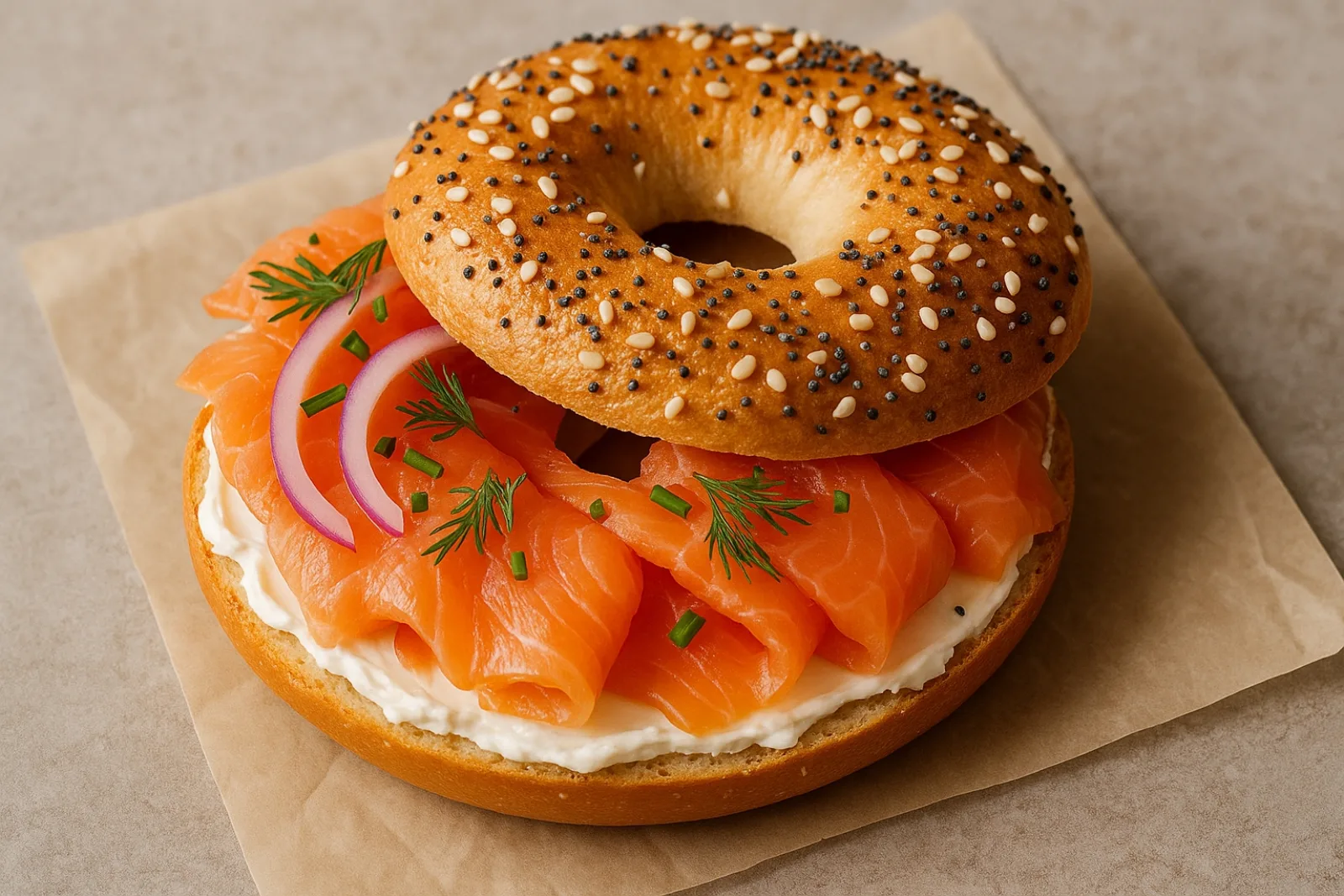
Lox can be one of the trickier pregnancy foods because the answer depends on how the salmon was prepared, not just what it is called. One package may say smoked salmon, another says lox, and a brunch menu might list nova-style salmon. They can look similar, but their safety differs during pregnancy.
If you're pregnant or trying to conceive, the main concern isn't mercury from salmon; it's whether the fish is cold-smoked and refrigerated, which can increase the risk of listeria.
Here's how to sort out what's safe, what to skip, and how to lower your risk without giving up nutrition.
What Lox Is And Why Pregnancy Guidance Can Be Confusing
Lox is traditionally salmon that has been salt-cured and cold-smoked at a low temperature, usually below 90°F (32°C). That low-temperature smoking gives it the silky texture people expect on a bagel, but it does not fully cook the fish.
That is where confusion starts. "Smoked salmon" is a broad label. Some smoked salmon is cold-smoked, which includes many lox and nova-style products. Other smoked salmon is hot-smoked, meaning it has been heated enough to cook it through.
One is a refrigerated ready-to-eat food with a meaningful listeria concern in pregnancy; the other is much closer to a cooked fish product.
Pregnancy guidance can also feel inconsistent because fish is encouraged. And that part is true: salmon is a low-mercury fish and a strong source of protein, DHA, selenium, vitamin B12, and vitamin D.
The key is this: the issue is preparation, not salmon itself. If the salmon is fully cooked, it is an excellent choice during pregnancy. If it is refrigerated cold-smoked lox, it is treated differently because pregnancy raises your susceptibility to foodborne illness.
If you have questions about a specific product label or deli item, download the app, search for the food or ingredient, or post it in the questions' forum for a prenatal dietitian to review.
Is Lox Safe During Pregnancy? The Short Answer
The short answer: refrigerated cold-smoked lox is not the safest choice during pregnancy if eaten straight from the package, but it's not strictly off-limits either. If the only way you tolerate or enjoy salmon is uncooked, eating some form of salmon is generally better than avoiding it entirely, but take steps to lower the risk of foodborne illness.
Because lox isn't cooked, there is a potential for Listeria monocytogenes to be present or to grow under refrigeration. For that reason, standard pregnancy food-safety guidance usually recommends avoiding refrigerated lox, nova-style salmon, and similar ready-to-eat smoked seafood unless it is reheated until steaming hot (1).
A simple rule to remember:
- Cold lox straight from the package or deli: generally best to limit during pregnancy, unless this is the only type of salmon or fish you can eat; practice appropriate food safety practices.
- Lox heated thoroughly to 165°F (74°C): lower-risk option.
- Hot-smoked salmon that has been cooked: safe.
- Shelf-stable canned or sealed pasteurized salmon products: generally lower risk.
The recommendation is precautionary: Listeriosis is uncommon, but when it does occur in pregnancy, the consequences can be more serious.
The primary concern with refrigerated cold-smoked salmon is the higher potential of bacterial growth rather than mercury—salmon is generally low in mercury. Cold-smoked, ready-to-eat fish can potentially harbor Listeria monocytogenes because the bacterium can survive processing and may grow at refrigerator temperatures.
Pregnancy alters the immune response, increasing susceptibility to listeriosis compared with the nonpregnant population; some estimates suggest the risk is several times higher (2).
Symptoms may appear days to weeks after exposure (commonly within 1–4 weeks). Typical signs include fever, muscle aches, headache, and sometimes nausea or diarrhea. These symptoms are not specific to listeria; if you're pregnant and develop fever or flu-like symptoms after eating a higher-risk refrigerated food, contact your healthcare provider for individualized advice.
Because refrigeration does not reliably eliminate listeria, deli-counter and other refrigerated ready-to-eat products warrant extra caution.
When smoked salmon may be lower risk
Not all smoked salmon poses the same level of risk. Lower-risk options are those that are fully cooked, shelf-stable, canned, or pasteurized.
Cooked until steaming hot
If you have lox at home and want to reduce risk, heating it thoroughly until it steams—aiming for 165°F (74°C)—is recommended, as that temperature kills listeria.
Practical ways to heat lox include:
- Folding chopped lox into scrambled eggs or an omelet.
- Baking it into a casserole or savory muffin.
- Adding it to pasta, rice, or a cream sauce and heating it fully.
- Pan-heating it until it is hot all the way through.
"Steaming hot" means more than slightly warmed. The fish should be heated throughout with visible steam and no cool spots. A food thermometer is helpful if you have one.
Shelf-stable, canned, or pasteurized options
Some smoked salmon products are sold in shelf-stable pouches, cans, or pasteurized packages. These are generally considered safer than refrigerated cold-smoked deli products because the processing method lowers microbial risk.
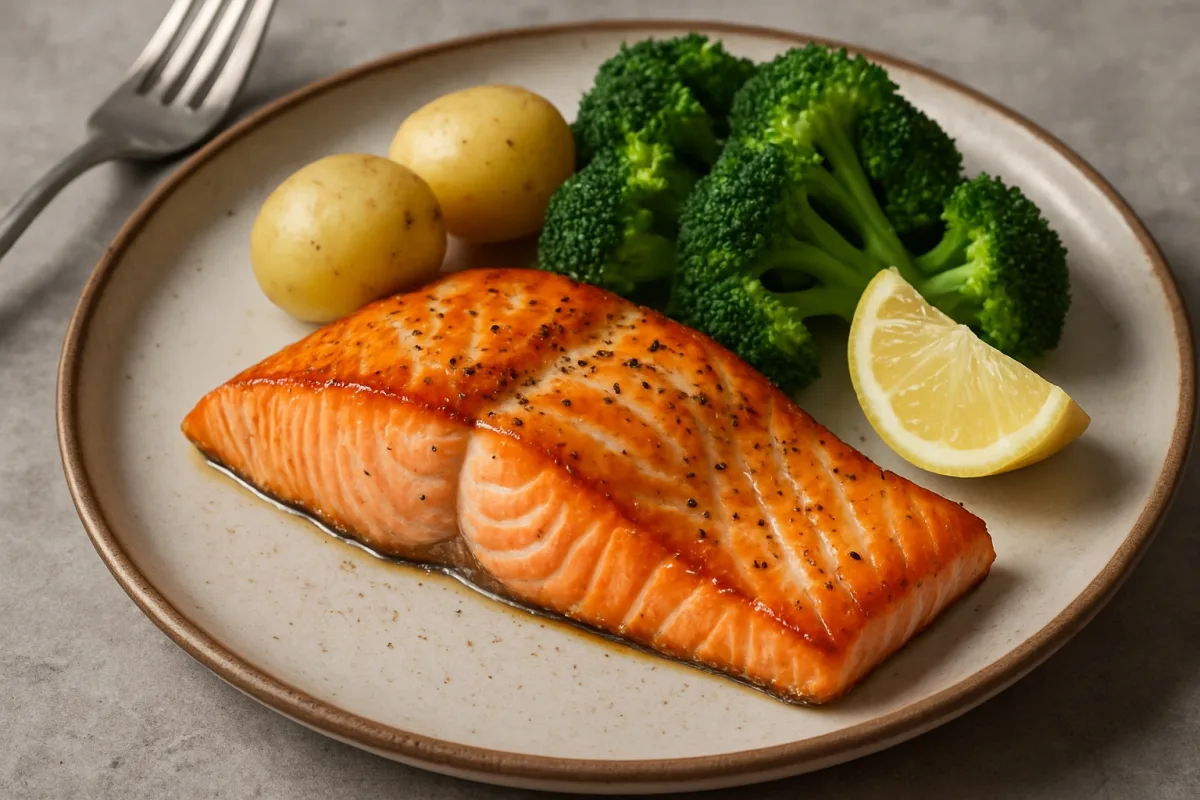
Canned salmon is one of the easiest pregnancy-friendly swaps. It is fully cooked, widely available, more affordable, lower risk from a food-safety standpoint, and still provides protein and omega-3 fatty acids.
Pasteurized salmon spreads or dips may also be an option if the label clearly indicates pasteurization and safe storage.
Nutrition Benefits And Tradeoffs To Know
Here's the part that gets lost in the "yes or no" debate: salmon itself is highly nutritious during pregnancy.
A 3-ounce serving of cooked salmon provides high-quality protein and important nutrients, including selenium, vitamin B12, vitamin D, and omega-3 fats, especially DHA and EPA. DHA is particularly important for fetal brain and eye development (3).
Salmon is also low in mercury compared with large predatory fish, which is why it fits well within seafood guidance for pregnancy.
In general, we encourage pregnant people to eat at least 8 to 12 ounces (227 to 340 g) of low-mercury seafood per week. Salmon is one of the best choices to help meet that goal.
A 3-ounce cooked serving of salmon can provide roughly:
| Nutrient | Approximate amount |
|---|---|
| Protein | 21.6 g |
| DHA | 1.22 g |
| EPA | 0.35 g |
| Vitamin D | 296 IU |
| Vitamin B12 | 2.59 mcg |
| Selenium | 39.8 mcg |
Quick summary
Cold lox isn't the lowest-risk salmon option during pregnancy because refrigerated, ready-to-eat fish can carry a higher risk of bacterial growth, similar to deli meat.
That said, if lox is the only type of salmon or fish you genuinely enjoy, you don't necessarily have to avoid it completely. Salmon provides valuable nutrients during pregnancy, including protein, omega-3 fats, and vitamin D. The latter two nutrients are hard to get from other foods.
To lower risk, choose lox that is fresh, properly refrigerated, and from a reputable source. Check the best-by date, avoid packages that look puffy or smell "off," keep it cold, and eat it soon after opening. For the lowest-risk option, choose smoked salmon that is fully cooked, canned, pasteurized, or heated until steaming hot.
When to seek medical advice
Contact your healthcare provider if you:
- Ate refrigerated cold-smoked lox and now have fever, muscle aches, headache, or flu-like symptoms.
- Have pregnancy-related high blood pressure, significant swelling, or a persistent headache.
Have more questions about what's safe during pregnancy or which fish are worth prioritizing?
Inside the app, you can search topics like salmon, low-mercury fish, omega-3s, and more for clear, pregnancy-specific guidance.
And if you want personalized help with a specific product, label, or food you're unsure about, you can book a Quick Question Call with one of our dietitians.
Frequently Asked Questions
Is hot-smoked salmon safe during pregnancy?
Hot-smoked salmon is safe because it is cooked, but safe storage and handling still matter. Keep it refrigerated, eat it within a few days of opening, and discard anything that smells off or has been left out.
Is salmon safe during pregnancy overall?
Yes. Cooked salmon is a low-mercury fish and a nutritious choice during pregnancy. It's one of the easiest ways to hit the recommended 8 to 12 ounces of low-mercury seafood per week.
Can reheating lox affect its nutrient content during pregnancy?
Reheating lox to a steaming hot temperature may slightly reduce some heat-sensitive nutrients, but it effectively eliminates the risk of listeria, making it a safer option without significant nutritional loss.
How much salmon should pregnant women eat weekly for health benefits?
Pregnant people are generally encouraged to consume 8 to 12 ounces (227 to 340 grams) of low-mercury seafood, such as cooked salmon, per week to gain beneficial nutrients while minimizing risk.
What about lox at a restaurant or brunch?
Restaurant lox carries the same listeria considerations as packaged lox, plus added uncertainty about how long it's been out of refrigeration. If you want to enjoy salmon out, ask for hot-smoked or fully cooked salmon, or order a dish where the lox can be cooked through, like a salmon omelet or pasta.
What if I already ate lox while pregnant?
Don't panic. Listeriosis from any single exposure is uncommon, and most people who eat refrigerated smoked salmon do not get sick. Watch for fever, muscle aches, headache, or flu-like symptoms over the next several weeks, and contact your healthcare provider if any appear so they can advise you.

Ryann Kipping
Licensed Dietitian & Founder of The Prenatal Nutrition Library
Prenatal dietitian with a Master's in Public Health and author of The Feel-Good Pregnancy Cookbook. Founder of The Prenatal Nutrition Library App.

Make pregnancy nutrition simple.
Get custom meal plans, 600+ dietitian-approved recipes, and our "Can I eat…?" search—plus, trimester-by-trimester nutrition priorities and more.