Smoothies For Nausea: 3 Gentle, Pregnancy-Safe Blends To Soothe Your Stomach In 2026
Feeling queasy during pregnancy or postpartum makes every meal a challenge. Smoothies for nausea can be a practical, gentle option: they're hydrating, easy to sip when solids feel off-putting, and can deliver nutrients that help settle your stomach.
This article explains why smoothies work, which ingredients to favor or avoid, and gives three simple, pregnancy-safe recipes you can blend at home.
Why Smoothies Can Help Calm Nausea (Science-Backed Reasons)
Smoothies can be an effective option for nausea because of several physiological and practical reasons.
- Easy-to-digest liquid form: Liquids are often less taxing on the digestive system than solids. A smoothly blended drink reduces chewing and gut mechanical stimulation, which can lower the risk of triggering reflux or vomiting when you're already sensitive.
- Hydration and electrolyte balance: Nausea frequently leads to reduced fluid intake and mild dehydration. Smoothies made with water, milk, or milk alternatives provide both fluid and electrolytes, such as potassium (from bananas), that support gastric function and energy.
- Gentle energy and stable blood sugar: Including some carbohydrate plus a small amount of protein or fat (yogurt, nut butter, oats) helps maintain steady blood sugar. Rapid drops or spikes in blood glucose can worsen nausea for some people; a balanced smoothie can help prevent it.
- Soothing bioactive compounds: Certain foods contain compounds with anti-nausea properties. For example, ginger is widely studied for reducing nausea from pregnancy and motion sickness: clinical evidence supports a modest benefit when used in food amounts. Vitamin B6 (pyridoxine), present in foods such as bananas and fortified yogurt, is also associated with reduced nausea severity during pregnancy when used as part of a broader dietary approach.
- Protein options without meat: Meat, fish, and poultry can be big aversions during the first trimester. Smoothies offer alternative ways to get in protein, such as yogurt, nuts, seeds, and safe protein powders.
- Sensory control: Smoothies let you control temperature, texture, and aroma, important since strong smells or hot foods often trigger nausea. Cool, mildly flavored blends (mint, cucumber, lemon) are commonly better tolerated.
Practical note and safety: prioritize a food-first approach, whole-food ingredients before supplements. If you're pregnant, use ginger in moderation (most guidelines suggest staying well under 4 g/day total from food and supplements). Always consult your prenatal care team before making dietary changes if you have severe or persistent symptoms.
This article provides general educational information and is not medical advice.
Key Ingredients To Include (And Ones To Avoid)
When building smoothies for nausea, choose ingredients that are easy on the stomach, hydrating, and offer mild anti-nausea effects. Avoid items that may worsen symptoms or pose food-safety concerns, like any unwashed produce.
Include
- Banana: A low-acid, binding fruit that supplies potassium, pectin (gentle fiber), and small amounts of vitamin B6. Bananas are usually well tolerated and can help restore electrolytes if intake has been low.
- Ginger: Fresh or ground ginger can reduce nausea. Use small amounts, about a ¼-inch (6 mm) piece of fresh ginger or a light sprinkle of ground ginger per serving.
- Yogurt or cow's milk: Plain yogurt adds protein, calcium, and probiotics that support gut comfort. If dairy doesn't agree with you, choose an unsweetened fortified plant milk (soy, oat, almond) to add smoothness and vitamins.
- Oats: Rolled oats add soluble fiber and a creamy texture; they slow digestion enough to stabilize blood sugar without making you feel overly full.
- Pineapple: Small amounts of pineapple or papaya add digestive enzymes, vitamin C, and tartness.
- Mint and citrus: A few mint leaves or a splash (½ tsp) of lime/lemon/orange juice can add a cooling or bright flavor that some people find helps reduce nausea.
- Healthy fat and protein: A tablespoon or two of nut butter and a scoop of plain yogurt provides satiety and steadier energy.
Avoid or use cautiously
- Very acidic fruits in large amounts: For some, large quantities of citrus or very tart berries can trigger reflux or increase nausea. A little citrus for brightness is usually fine.
- Strong flavors or spices: Intense spices, raw onion, or garlic are likely to provoke nausea.
- Excess sugar: This is often a cause for concern in store-bought smoothies. When making smoothies at home, use a tablespoon of honey, fruit, nut butter, cinnamon, or dates for sweetness.
- Unpasteurized dairy or raw eggs: Avoid any unpasteurized milk, yogurt, or raw eggs during pregnancy to reduce the risk of infection. Use pasteurized products.
- High-risk produce handling: Soft berries can harbor pathogens when mishandled. Wash fruit well: if you're concerned about food safety, choose peeled or cooked fruit (bananas, mangoes, canned peaches in juice) or frozen fruit from reputable sources.
Food safety and pregnancy reminder: Always follow safe food-handling practices, wash hands and produce, refrigerate perishable ingredients, and use pasteurized dairy.
If you have severe nausea, vomiting, or can't keep fluids down, contact your prenatal care provider.
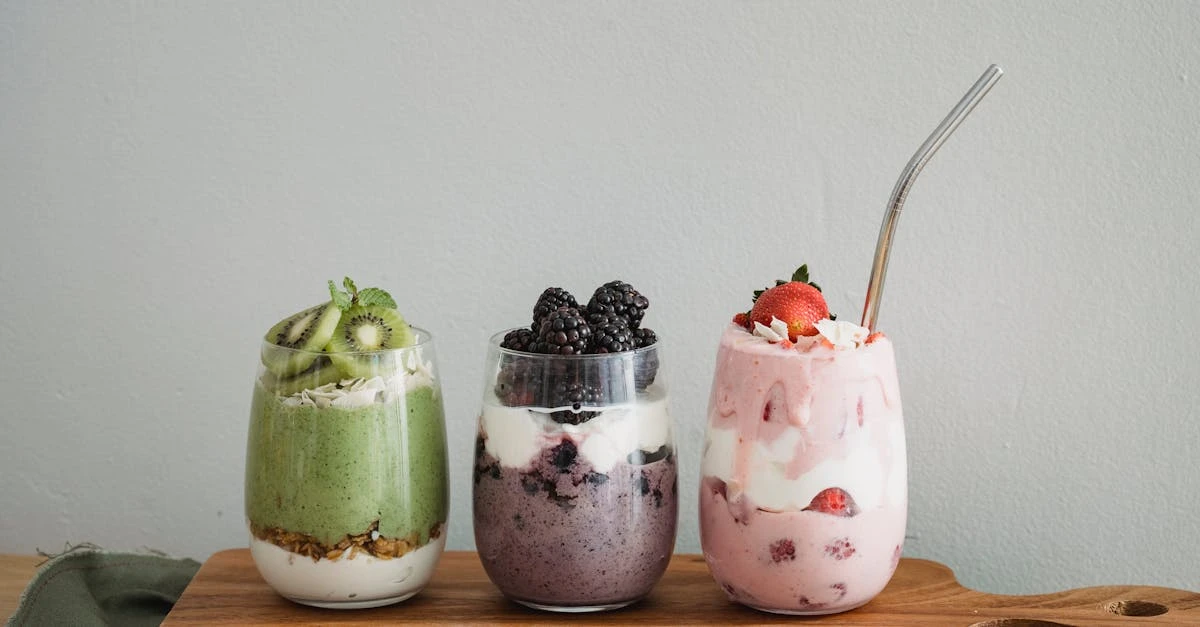
Three Easy Pregnancy-Safe Smoothie Recipes To Try Now
Below are three balanced, pregnancy-safe smoothies from the TPNL app designed to be gentle on the stomach while providing nutrients commonly helpful for nausea. Each makes one serving. Adjust texture with 2–4 tablespoons (30–60 mL) of water or milk if needed.
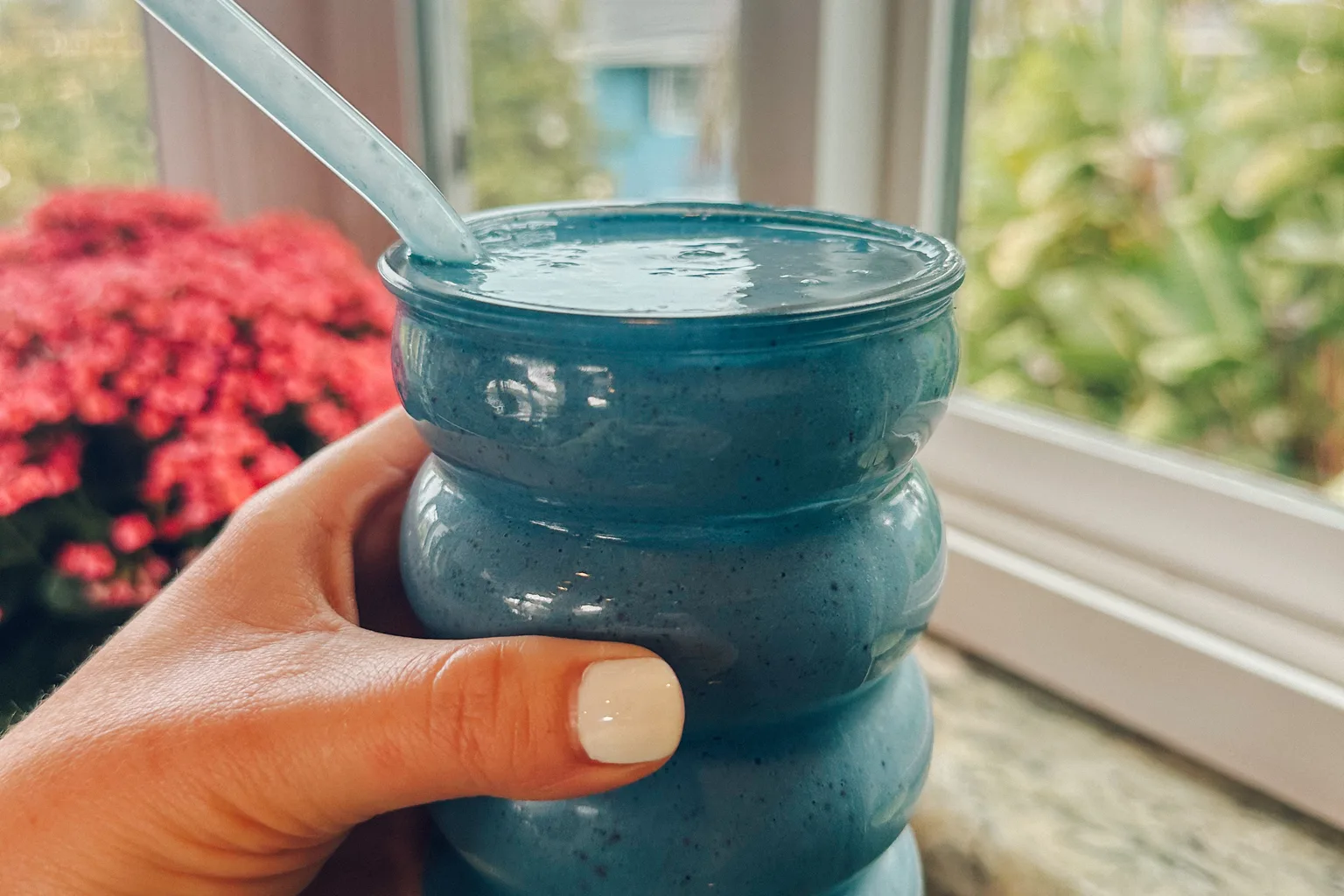
Blueberry Ginger Spice Smoothie
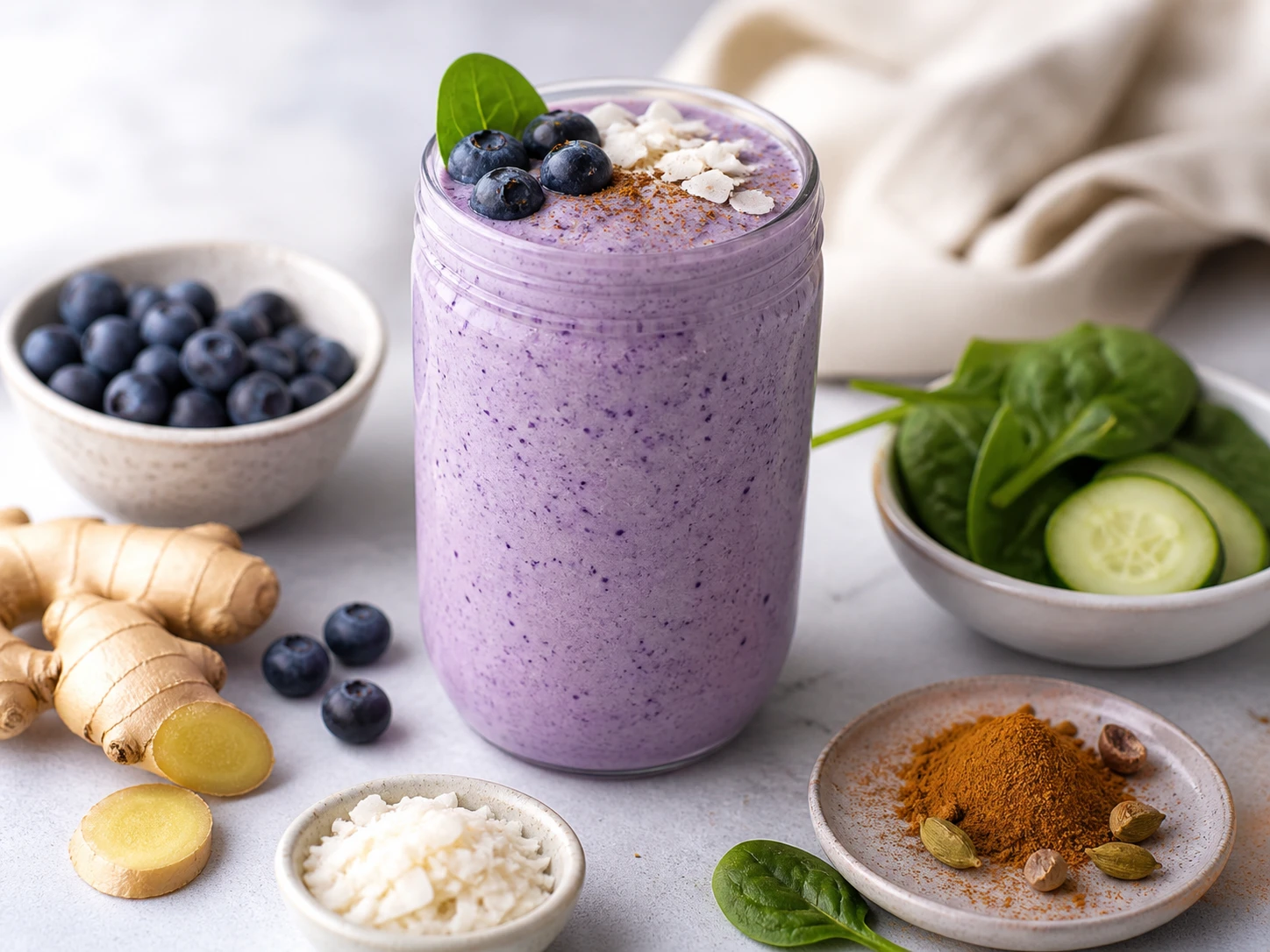
Serves 1
Ingredients
- ½ cup frozen blueberries
- ¾ cup plain Greek yogurt
- ½ cup raw spinach
- ½ cup cucumber
- ¼ teaspoon grated ginger
- 2 tablespoons unsweetened shredded coconut
- ¼ teaspoon ground cinnamon
- ⅛ teaspoon ground cardamom
- ¼ teaspoon ground nutmeg
- 1 splash vanilla extract
- 2 teaspoons honey
Why this smoothie works
Greek yogurt adds protein, probiotics, calcium, iodine, and B vitamins. Spinach adds folate, calcium, and magnesium, while blueberries bring gentle sweetness and antioxidants. Ginger and warming spices make this a flavorful option that may feel especially helpful when nausea or food aversions make eating harder.
Nausea-Friendly Blueberry Smoothie
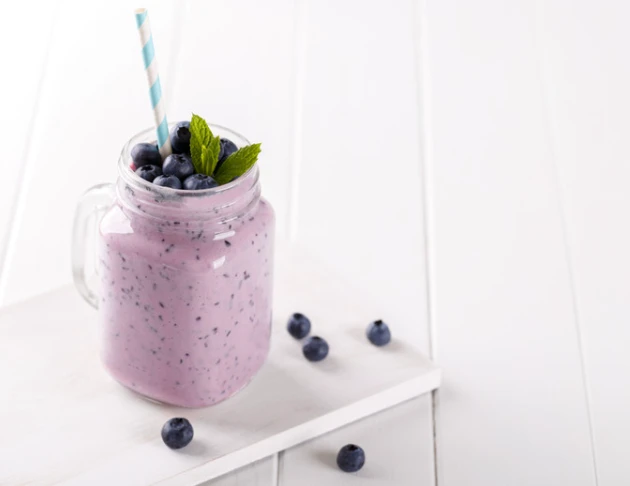
- 1/2 banana (fresh or frozen)
- 1/2 cup (75 g) blueberries (frozen)
- 1/2 cup riced cauliflower (frozen)
- 1 cup (240 g) plain yogurt or milk
- 2 teaspoons hemp seeds
- 1–2 scoops protein powder or collagen
Why this smoothie works
This smoothie is cold, mild, and easy to sip, which can be helpful when nausea makes full meals feel hard to stomach. Banana adds gentle carbohydrates and vitamin B6, blueberries add antioxidants and natural sweetness, and frozen riced cauliflower blends in almost unnoticed for extra fiber and nutrients. Yogurt or milk adds fluid, calcium, and protein, while hemp seeds and protein powder or collagen help make it more filling and supportive without needing a large meal.
Pregnancy-safe protein powder: get our top recommendations and a checklist for things to look for in the app, download it here, and search 'protein powder.'
Strawberry Coconut Dream Smoothie
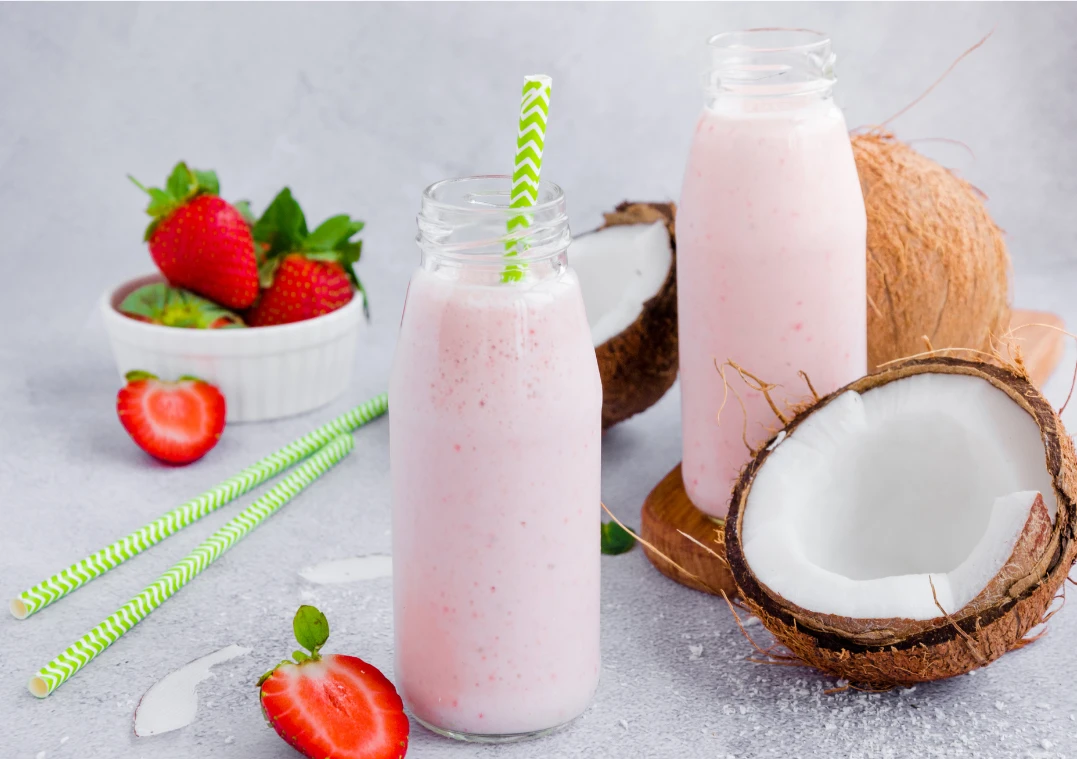
Serves 1
Ingredients
- 1 cup strawberries, whole, frozen, or fresh
- 1 banana, frozen
- 1 cup coconut milk
- 1 tablespoon unsweetened shredded coconut
- 1 tablespoon chia seeds
- 1–2 scoops protein powder
- Optional: honey or maple syrup, to taste
Why this smoothie works
Strawberries provide folate, fiber, vitamin C, potassium, and antioxidants, while bananas add gentle carbohydrates and extra potassium. Coconut milk and shredded coconut add creamy texture, quality fats, electrolytes, and minerals. Chia seeds add fiber and fats, and protein powder helps make this smoothie more filling and supportive for blood sugar balance. This one would also be great for the third trimester.
Recipe tips
- Start small: If you're very sensitive, sip ¼–½ cup (60–120 mL) at a time instead of drinking a full serving quickly.
- Temperature: Many find room-temperature or cool, not icy, smoothies easiest to tolerate.
- Texture: Strain or blend longer for a silkier texture if chunkiness triggers gagging.
- Sweetness: Let ripe banana or a splash of juice provide sweetness rather than adding sugar or syrups.
Conclusion
Smoothies for nausea can be a practical, food-first way to stay hydrated, get gentle nutrition, and manage queasiness during pregnancy or postpartum.
Make sure your smoothie has a source of protein and fat. Try the three recipes above and adjust flavors, temperature, and texture to what your body tolerates. If nausea is frequent or prevents normal eating or hydration, reach out to your healthcare provider or apply for nutrition coaching with our registered dietitians.
Frequently Asked Questions
Are smoothies good for pregnancy nausea?
They can be. Smoothies are cold, easy to sip, and often less overwhelming than a full meal, which can be helpful when nausea, food aversions, or a strong gag reflex make eating harder. The key is to keep them balanced with some carbohydrate, protein, and fat, so they actually support energy and blood sugar instead of acting like a big cup of fruit juice.
What smoothie is best for morning sickness?
The best smoothie for morning sickness is usually cold, mild in flavor, and not too sweet or acidic. A simple option could include banana, blueberries, yogurt or milk, oats, and a small amount of ginger. If strong smells are triggering, frozen fruit, cucumber, mint, or a very simple banana-yogurt blend may be easier to tolerate.
Can I drink smoothies every day while pregnant?
Yes, smoothies can fit into a healthy pregnancy diet, but they should not be your only source of nutrition. Think of them as a helpful tool, especially on days when solids sound awful. For a more supportive smoothie, include protein from Greek yogurt, milk, hemp seeds, chia seeds, or nut butter.
Are protein smoothies safe during pregnancy?
Protein smoothies can be safe during pregnancy when they are made with pregnancy-safe ingredients. The biggest thing is choosing a protein powder carefully, since not all powders are ideal for pregnancy. Look for options that are third-party tested, lower in added sugars, and free from unnecessary herbs or high-dose nutrients you may already be getting from a prenatal vitamin. View our full protein powder guide for pregnancy in the TPNL app.
What can I add to smoothies to help with pregnancy nausea?
Good add-ins for nausea-friendly smoothies include banana, ginger, yogurt, milk, oats, chia seeds, hemp seeds, nut butter, cucumber, mint, and frozen fruit. These can help with gentle energy, hydration, protein, and texture.
Is ginger safe in pregnancy smoothies?
Yes. Ginger is commonly used during pregnancy for nausea and can be included in smoothies in small amounts, such as a ¼-inch piece of fresh ginger or about ¼ teaspoon of ground ginger. More is not always better, especially if you are also using ginger supplements, ginger chews, or ginger tea. If you have a medical condition, take blood thinners, or have been told to avoid ginger, check with your healthcare provider.
Can smoothies replace a meal during pregnancy?
Sometimes, yes — but only if the smoothie is built like a meal. A fruit-veggie-only smoothie is not enough. To make it more meal-like, add protein, fat, and fiber. For example, fruit + Greek yogurt + chia seeds + oats or nut butter will be more filling and blood-sugar supportive than fruit blended with juice alone.
What should I avoid putting in pregnancy smoothies?
Avoid unpasteurized milk or yogurt, raw eggs, unwashed produce, and herbal powders or supplements that have not been reviewed for pregnancy safety. It is also smart to go easy on large amounts of added sugar and highly acidic ingredients if reflux is an issue, and on “detox” or “cleanse” smoothie ingredients. Pregnancy is not the time for detox-style nutrition.
Are fruit smoothies too high in sugar during pregnancy?
They can be if they are mostly fruit juice, sweetened yogurt, or several servings of fruit without protein or fat. But fruit itself does not need to be avoided. To make a fruit smoothie more balanced, pair fruit with protein and fat, like Greek yogurt, milk, chia seeds, hemp seeds, nut butter, or a pregnancy-safe protein powder.
Can smoothies help if I cannot eat much in the first trimester?
Yes, they can be a very practical first-trimester option. Many people struggle with meat, vegetables, and full meals early in pregnancy, and smoothies can make it easier to get in fluids, protein, fruit, and gentle carbohydrates. Cold, blended foods may also be easier to tolerate when smells and textures are triggering. Smoothies are commonly recommended as an easier way to get nutrients in when morning sickness makes typical meals less appealing.
When should I call my provider about nausea?
Reach out to your prenatal care provider if you cannot keep fluids down, are vomiting frequently, feel dizzy or weak, notice signs of dehydration, are losing weight, or your nausea is interfering with daily life. Smoothies can be supportive, but severe nausea and vomiting may need medical care.

Ryann Kipping
Licensed Dietitian & Founder of The Prenatal Nutrition Library
Prenatal dietitian with a Master's in Public Health and author of The Feel-Good Pregnancy Cookbook. Founder of The Prenatal Nutrition Library App.

Make pregnancy nutrition simple.
Get custom meal plans, 600+ dietitian-approved recipes, and our "Can I eat…?" search—plus, trimester-by-trimester nutrition priorities and more.