The second trimester often feels like a turning point. For many, nausea eases up, energy returns a bit, and food finally sounds (mostly) appealing again. That makes this a powerful window to build a simple, sustainable second-trimester meal plan that supports both your growing baby and your own body.
You don't need to eat perfectly or stress over every bite.
The goals of the second trimester are straightforward:
- Support fetal growth and development
- Meet rising nutrient needs
- Keep blood sugar as steady as you reasonably can
- Stay hydrated and energized to feel as good as possible
We'll walk through the nutrients that matter most, the best foods to include, what to limit, and how to turn this into a realistic 7-day second-trimester meal plan, plus the top three foundations to prioritize.
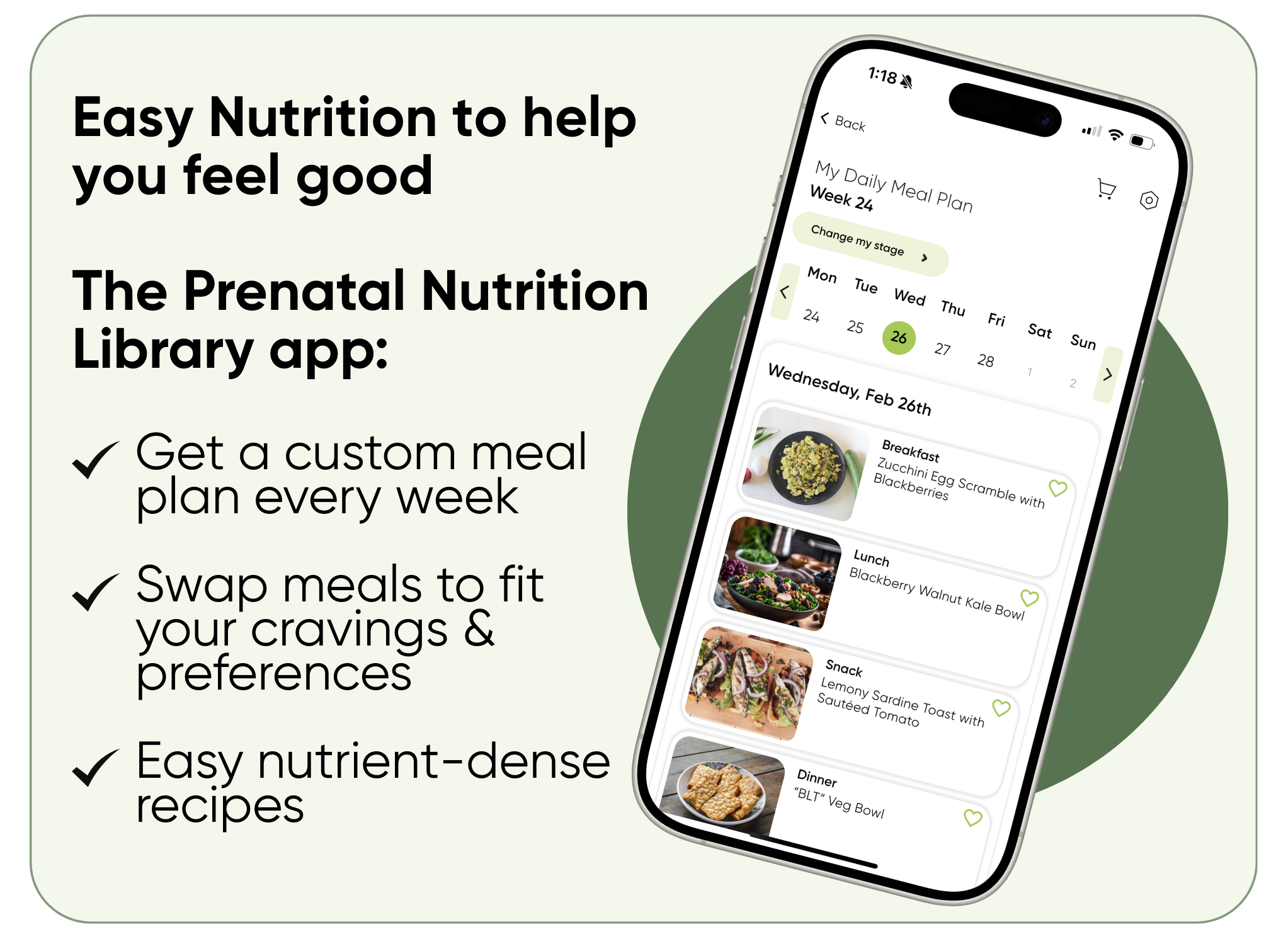
Note: If you want our most comprehensive second-trimester nutrition resources, you'll find those inside the Prenatal Nutrition Library app, which you can access for free for one week.
Medical Disclaimer
This article is for general education only and is not a substitute for medical care. Always talk with your prenatal care provider about your individual nutrition needs, symptoms, and lab results.
How Nutrition Needs Change In The Second Trimester
During the second trimester, your body shifts from "survival mode" in early pregnancy to a steady, intense growth phase. Your baby is getting bigger, your blood volume is expanding, and your body is doing a tremendous amount of behind-the-scenes work every day. That is why a second-trimester meal plan should focus less on perfection and more on consistency.
However, tracking or counting calories is not necessary.
Instead, focus on:
- Eating regular meals and snacks (every 3–4 hours)
- Building meals/snacks with protein, fat, fiber, and flavor
- Eating until you feel comfortably satisfied
- Prioritizing nutrient-dense choices
Calorie Needs And Weight Gain Expectations
Most people need more energy in the second trimester than in early pregnancy. A common estimate is about 300–400 extra calories per day, though actual needs vary based on your body size, activity level, pregnancy history, and whether you are carrying one baby or more than one.
That extra energy can be as simple as:
- 1 cup Greek yogurt with berries and walnuts
- Whole-grain or sourdough toast with peanut butter and banana
- Turkey and cheese roll-ups
- An extra egg and 2 tbsp of shredded cheese in the morning
Weight gain also varies, and your prenatal care team is the best source for guidance based on your starting point and medical history. In general, many people gain around 1 pound per week in the second trimester. But ranges differ, and a single week does not tell the whole story.
A gentle reminder: if you are worried about weight gain, low appetite, or feeling unusually hungry, bring it up with your prenatal clinician. It is worth discussing, especially if you are having trouble eating enough, keeping food down, or meeting basic nutrition needs.
Key Nutrients To Prioritize In Daily Meals
Instead of chasing a long list of rules, focus on the nutrients that do the most heavy lifting during this stage:
Protein: supports the growth of fetal tissue, placenta, and your own changing body. A practical target for many people is at least 100 grams per day, though some may benefit from more.
Iron: pregnancy needs rise to 27 mg per day to support red blood cell production and oxygen delivery.
Calcium: most adults need 1,000 mg daily (no increase from pre-pregnancy, as your body gets better at absorbing it).
Magnesium: magnesium needs increase in pregnancy and support hundreds of essential processes.
Choline: supports fetal brain development and is often under-consumed.
Vitamin D: helps with calcium absorption and bone health.
Fiber and fluids: support digestion and may help with constipation, which is common in pregnancy.
This is also a food-first stage whenever possible.
That means letting meals do most of the work: eggs for choline, yogurt for calcium, salmon for protein and vitamin D, beans and lentils for fiber and folate, leafy greens for folate, and meat or shellfish for iron. A prenatal vitamin can help fill gaps, but it should not have to carry your entire diet.
Building A Balanced Second Trimester Plate
If meal planning feels overwhelming, use a simple plate method. It gives you structure without forcing strict rules.
A balanced second-trimester plate often includes:
- Protein
- High-fiber carbohydrate
- Colorful produce
- Quality fat
- Flavor
- An iron-rich addition when possible
You can think of it as building meals that keep you full, support blood sugar balance, and make it easier to cover your nutrient needs throughout the day.
Protein, Fiber, And Quality Fats
These three help meals feel more satisfying and steady.
Protein foods can include:
- Eggs
- Greek yogurt or cottage cheese
- Chicken or turkey
- Beef or pork
- Salmon, sardines, trout, or cod
- Tofu, tempeh, edamame
- Beans and lentils
- Nut butters
Fiber-rich carbohydrates can include:
- Oats
- Berries
- Avocado
- Apples
- Quinoa
- Beans and lentils
- Sweet potatoes
- Vegetables
Healthy fats can include:
- Avocado
- Nuts and seeds
- Olive or coconut oil
- Peanut or almond butter
- Tahini
- Fatty fish
- Meat
An easy formula:
- Half your plate: vegetables and/or fruit
- One quarter: protein
- One quarter: grains or starchy vegetables
- Add 2 tbsp quality fats
That might look like salmon, roasted potatoes, broccoli, and olive oil. Or a grain bowl with quinoa, black beans, avocado, peppers, and shredded chicken.
The 3 Foundations That Matter Most In Your Second Trimester Meal Plan
These are the three things we want you to focus on first.
Stay Hydrated
Why it matters: Blood volume expands significantly during the second trimester. Adequate hydration supports circulation and digestion, helps maintain energy levels, and can reduce constipation and headaches.
Start here:
- Aim for pale yellow urine most of the day
- Prioritize beverages low in added sugar when possible: water, sparkling water, electrolytes, coconut water, soups, smoothies, tea, or milk
- Consider doing a daily mineral mocktail to support hydration needs
Get easy mineral mocktail recipes in the app to improve hydration and energy levels.
Support Balanced Blood Sugar
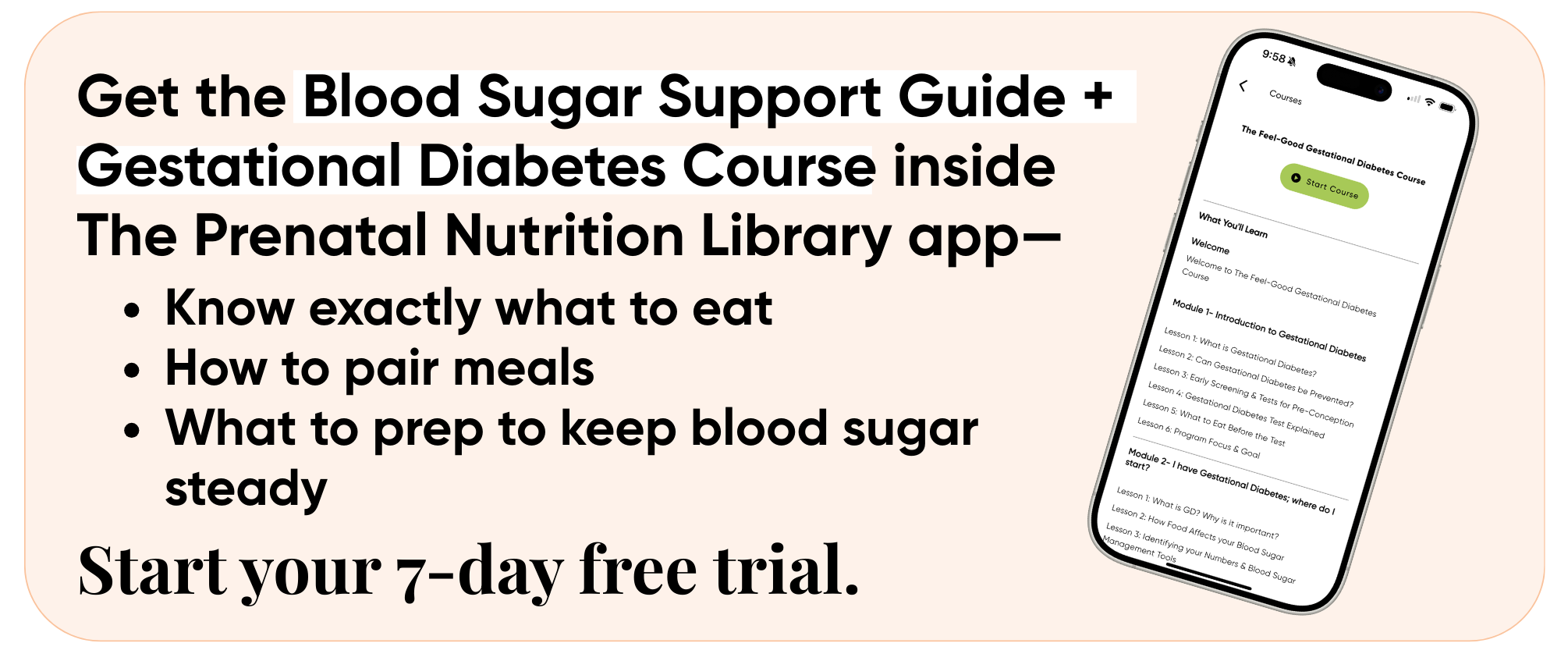
Why it matters: Blood sugar regulation is important during pregnancy. Higher-than-ideal blood sugar levels can affect both maternal and fetal health, even outside of a gestational diabetes diagnosis. Prioritizing well-balanced blood sugar also benefits digestion and energy levels.
Start here:
- Aim for 3 meals plus 1–3 snacks per day
- Include protein at each meal and snack
- Pair carbohydrates with protein and fat
- Prioritize fiber-rich carbohydrate choices
Simple meal structure:
- Fiber/color: vegetables, fruit, beans, lentils
- Protein: eggs, meat, seafood, dairy
- Fat: olive oil, butter, avocado, nuts, seeds
- Flavor: herbs, spices, lemon, sauces
Gentle movement after meals (such as a short walk) can also support digestion and blood sugar balance if it feels good to you.
Iron + Protein
Why these matter: During the second trimester, blood volume expands, oxygen demand increases, and fetal and placental growth accelerate. Iron and protein support oxygen delivery, tissue growth, and daily energy levels.
Iron
- Pregnancy needs: 27 mg/day
- Start-here goal: Include 1–2 iron-rich foods per day (supplement if needed based on labs).
- Top food sources: red meat, poultry, fish, eggs
- Helpful tip: If you do not eat meat, pair plant-based iron sources with vitamin C–rich foods to improve absorption. Lab testing can help determine whether supplementation is needed.
Protein
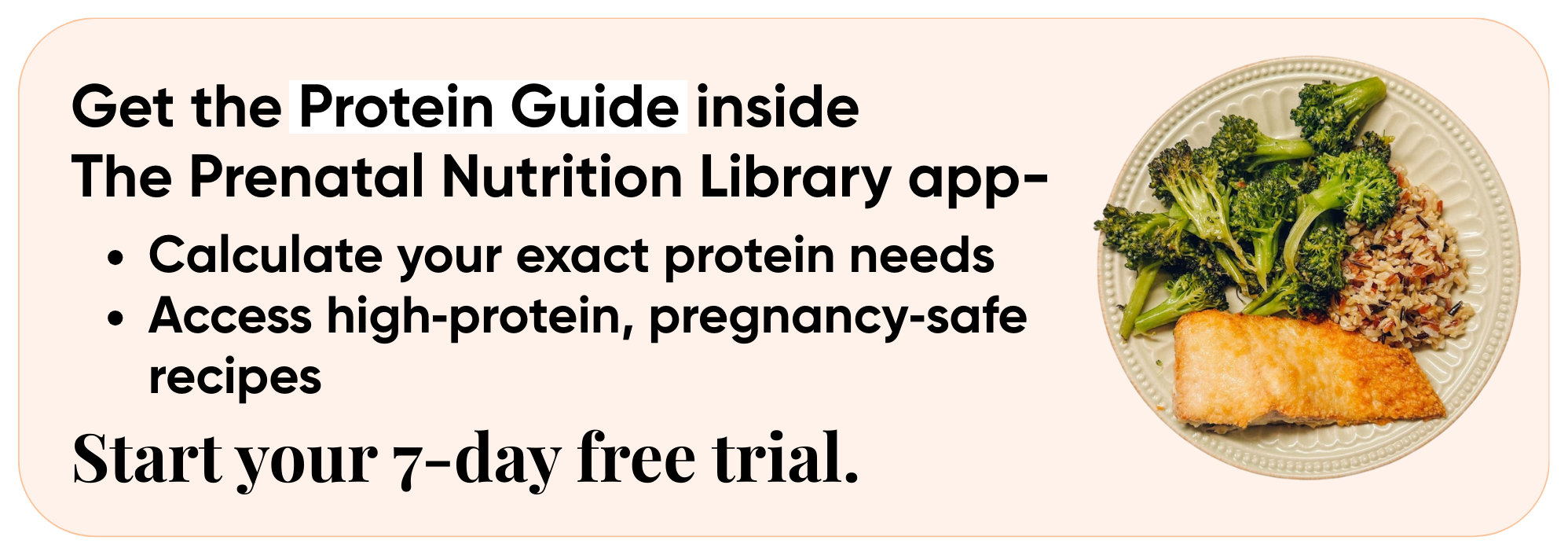
- Pregnancy needs: Varies by individual. Most people benefit from increasing protein intake as pregnancy progresses, typically around 100 g/day or higher, depending on body size, activity level, and appetite.
- Start-here goal: Include a protein source at every meal and snack.
- Top food sources: eggs, Greek yogurt, cottage cheese, meat, poultry, fish
- Helpful tip: Use the protein calculator in the Protein note to estimate your personalized protein needs.
A 7-Day Second Trimester Meal Plan
How To Adjust Portions For Appetite, Activity, And Symptoms
No sample meal plan fits every pregnant person exactly. Some days you may want three bigger meals. On other days, especially if heartburn or nausea is hanging around, smaller, more frequent meals may feel much better.
You may need more food if you:
- Are very active
- Feel hungry soon after meals
- Are carrying multiples
- Have long gaps between meals
- Are not feeling satisfied with the current portions
You may do better with smaller portions if you:
- Have heartburn
- Feel full quickly
- Still have nausea or food aversions
- Feel uncomfortable after large meals
Easy ways to increase intake:
- Add nuts or seeds to oatmeal or yogurt
- Use avocado or olive oil in meals
- Add cheese to eggs or grain bowls
- Drink a smoothie when solid food is less appealing
- Include an extra snack with protein
Easy ways to scale down while keeping quality up:
- Split meals into two smaller eating times
- Choose bland protein options like yogurt, eggs, or toast with nut butter
- Keep snacks nearby when appetite is unpredictable
- Sip fluids between meals instead of with food if fullness is an issue
If vomiting, severe food aversions, dizziness, or poor intake are making it hard to meet basic needs, reach out to your prenatal care team or book a quick question call with Ryann Kipping, The Prenatal Nutritionist. Nutrition concerns in pregnancy deserve support, not guesswork.
Foods And Drinks To Limit Or Avoid
The list of foods to avoid in pregnancy is smaller than many people expect. The main priorities are food safety, mercury awareness, alcohol avoidance, and keeping caffeine in a moderate range.
Fish Choices, Deli Meats, And Unpasteurized Foods
Fish can be a very nutritious part of a second-trimester meal plan. It provides protein, iodine, selenium, and, in many cases, omega-3 fatty acids that support fetal brain and eye development. The key is choosing low-mercury fish.
Better choices include:
- Salmon
- Sardines
- Trout
- Cod
- Shrimp
- Pollock
- Canned light tuna in moderate amounts
Avoid high-mercury fish such as:
- Shark
- Swordfish
- King mackerel
- Tilefish
- Bigeye tuna
Other food safety reminders:
- Avoid raw or undercooked fish and shellfish
- Avoid raw sprouts
- Avoid unpasteurized milk and soft cheeses made from unpasteurized milk
- Cook eggs, meat, and poultry thoroughly
- Wash produce well
Foodborne illness risk is a bigger issue in pregnancy because your immune response changes, and some infections can be more serious for you and your baby.
Caffeine, Alcohol, And Ultra-Processed Foods
Most experts recommend keeping caffeine to 200 mg per day or less during pregnancy. For many people, that is about 1 to 2 small cups of coffee, depending on strength. Tea, soda, energy drinks, chocolate, and some supplements can also add to your total.
Alcohol is not considered safe in any amount during pregnancy, so avoiding it is the recommended approach.
Ultra-processed foods do not need to be feared, but they should not crowd out the foods that provide the protein, iron, fiber, and vitamins you need most. If crackers, frozen meals, or packaged snacks help you get through a rough day, that is real life. The goal is not a "perfect" diet. The goal is to make sure convenience foods support your intake rather than replace most of it.
Second Trimester Supplements
Everyone:
Prenatal vitamin
To consider (based on labs, diet, or symptoms):
- Omega-3s — if you do not eat fish
- Vitamin D — if you've tested, and your levels are low
- Probiotics — if you do not eat fermented foods
- Magnesium — if your prenatal vitamin has little to none or if you have specific symptoms that warrant more magnesium
- Iron — if you've tested, and your levels are low
- Inositol — if you have PCOS or are at increased risk of gestational diabetes
- Protein Powder — if you need support meeting your daily protein needs
Using Recipes & Top Foods in the App
- Recipes tagged "Second Trimester" are designed to support baby's development and higher nutrient needs.
- At the top of each trimester learning hub, you'll find the Top Foods for that trimester — use these as inspiration, not necessarily a "checklist."
Start with what sounds good today, then build from there.
When To Talk To Your Prenatal Care Team
Reach out to your prenatal care team if you are having trouble eating enough, keeping food down, or meeting your fluid needs. It is also worth checking in if you are worried about iron status, feel unusually fatigued, get dizzy, or have major changes in appetite or weight.
You should also get extra support if:
- You think you may have a nutrient deficiency
- You follow a vegetarian, vegan, or highly restricted diet and want help planning meals
- Heartburn, constipation, or nausea is affecting your daily intake
- You are unsure whether you need extra iron, vitamin D, omega-3s, or other supplements
- You have been told you are at risk for gestational diabetes or anemia
Book a consultation with one of our prenatal registered dietitians with prenatal expertise, who can help translate broad nutrition guidance into meals that fit your culture, budget, schedule, and symptoms.
Join the app here for guidance on increasing your nutrient intake, symptom relief, vegetarian diets, supplements, gestational diabetes, and anemia.
Conclusion & The Big Picture Reminder
The second trimester often comes with a more predictable appetite and energy, which makes it a good time to focus on supporting the baby's growth and your body's increasing needs.
A realistic second-trimester meal plan focuses on:
- Regular meals and adequate protein
- Nutrient-dense choices
- Staying hydrated
- Supporting balanced blood sugar
- Getting enough iron and protein
Regular meals, adequate protein, nutrient-dense choices, and staying hydrated help your body keep up with the work it does each day.
Questions about your second trimester?
Go to the "Ask an RD" feature in The Prenatal Nutrition Library app to chat with our registered dietitians or book a private Quick Question Call or 60-minute consultation.
Start Free Trial7-Day Second Trimester Meal Plan
Nutrient-dense meals to support your baby's growth and keep you energized.
My Daily Meal Plan
Second Trimester
Tuesday, March 17
4-Ingredient Banana Almond Energizer
Spaghetti Squash Burrito Bowls
Mineral Rich Banana Boat
Slow Cooker Beef Stew
Antioxidant-Rich Raspberry Ice Cream
Frequently Asked Questions
How many extra calories do I need in the second trimester?
Most people need about 300–400 extra calories per day in the second trimester, though actual needs vary based on body size, activity level, pregnancy history, and whether you are carrying one baby or more. That can be as simple as a cup of Greek yogurt with berries and walnuts, or toast with peanut butter and banana.
What are the most important nutrients in the second trimester?
Protein, iron, calcium, magnesium, choline, vitamin D, and fiber are the key nutrients to prioritize. Protein and iron are especially important as blood volume expands and fetal growth accelerates.
How much protein do I need in the second trimester?
Most people benefit from at least 100 grams of protein per day, though some may need more depending on body size, activity level, and appetite. Include a protein source at every meal and snack.
What should I eat for balanced blood sugar during pregnancy?
Aim for 3 meals plus 1–3 snacks per day. Include protein at each meal and snack, pair carbohydrates with protein and fat, and prioritize fiber-rich carbohydrate choices. Gentle movement after meals can also support blood sugar balance.
Can I eat fish during the second trimester?
Yes — fish is very nutritious during pregnancy. Choose low-mercury options like salmon, sardines, trout, cod, shrimp, and pollock. Avoid high-mercury fish such as shark, swordfish, king mackerel, tilefish, and bigeye tuna.
How much caffeine can I have in the second trimester?
Most experts recommend keeping caffeine to 200 mg per day or less during pregnancy, which is about 1 to 2 small cups of coffee depending on strength. Tea, soda, energy drinks, chocolate, and some supplements also contribute to your total.
Do I need extra supplements in the second trimester?
Everyone should take a prenatal vitamin. Based on labs, diet, or symptoms, you may also consider omega-3s, vitamin D, probiotics, magnesium, iron, inositol, or protein powder. Discuss with your prenatal care team.
What if I still have nausea in the second trimester?
Some people still have nausea or food aversions in the second trimester. Smaller, more frequent meals may feel better. Split meals into two smaller eating times, choose bland protein options, and keep snacks nearby. If nausea is severe, reach out to your prenatal care team.

Ryann Kipping
Licensed Dietitian & Founder of The Prenatal Nutrition Library
Prenatal dietitian with a Master's in Public Health and author of The Feel-Good Pregnancy Cookbook. Founder of The Prenatal Nutrition Library App.