5 Benefits of Apples While Pregnant (2026 Guide)
During pregnancy, your nutritional needs increase, and eating a variety of foods helps support both your health and your baby’s growth. Fruit during pregnancy is one of the safest, most nutrient-dense ways to meet those needs, providing hydration, fiber, vitamins, and protective plant compounds.
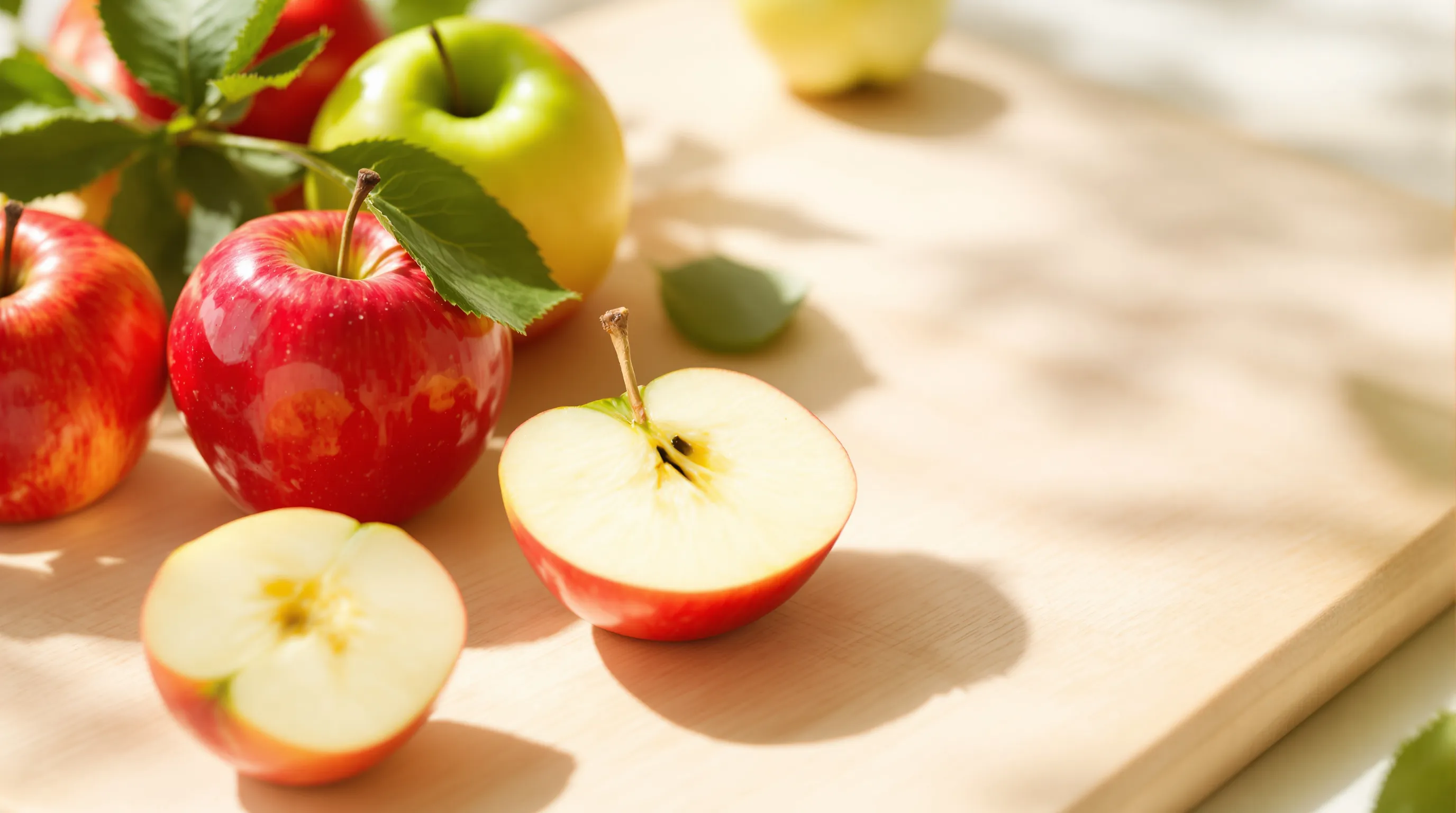
Apples are widely available year-round, easy to store and transport, and gentle on digestion for many pregnant women. With fiber, vitamin C, potassium, and polyphenol antioxidants, apples offer meaningful nutritional benefits without requiring special preparation.
Below, we’ll break down the key benefits of eating apples during pregnancy, along with practical guidance on safety, portions, and the best ways to include them as part of a healthy pregnancy diet.
5 Benefits Of Apples While Pregnant
Apples are a simple, pregnancy-friendly fruit that offer fiber, vitamin C, potassium, and polyphenol antioxidants in a portable package.
Quick nutrition snapshot for one medium apple (about 182 g):
- ~95 calories,
- ~4–5 g fiber,
- ~8 mg vitamin C,
- ~195 mg potassium,
- and ~86% water.
Apples aren't rich in iron or calcium, but their vitamin C can help your body absorb iron from other foods.
When you eat them with the skin (washed), they can help:
- Support digestive health and regularity
- Provide antioxidants that support a healthy pregnancy
- Potentially support your baby's future immune and respiratory health
- Add a convenient, year‑round fruit option for hydration and energy
We'll dive more into these benefits below!
Are Apples Good While Pregnant
Yes!
Apples can fit into a balanced prenatal diet and are generally considered safe during pregnancy when washed well. Their fiber (including pectin) supports digestion, and their antioxidants contribute to overall dietary quality.
With a low-to-moderate glycemic index, apples can also be a good option for individuals managing blood sugar or who have gestational diabetes.
Safety tips:
- Wash thoroughly under running water: keep the skin on for most nutrients and fiber.
- Choose pasteurized apple juice or cider only; unpasteurized products are more likely to carry harmful bacteria.
- If you experience oral allergy syndrome (tingling or itching in the mouth after raw apples), consider cooked apples and discuss with your healthcare provider.
Educational note: This information is for general education and does not replace personalized medical advice.
Inside the TPNL app, you can look up apples (and hundreds of other foods) to see safety notes, nutrition highlights, and how they fit into different pregnancy needs, including gestational diabetes. Try it free here!
What Are The Benefits Of Apple During Pregnancy
1. Apples Support Digestive Health and Regularity During Pregnancy
Constipation is common in pregnancy due to hormonal shifts, some types of iron supplements, and a growing uterus.
A medium apple offers about 4–5 grams of fiber, including insoluble fiber and pectin, which adds bulk and helps stools move more comfortably. Aim to pair apples with a source of protein or fat and plenty of fluids.
2. Provide Antioxidants That Help Support a Healthy Pregnancy
Apples contain vitamin C and polyphenols (like flavonoids and quercetin) that contribute to your overall antioxidant intake. Antioxidants help counter everyday oxidative stress and support immune function.
While apples aren't a mega‑source of vitamin C, their contributions add up across the day alongside other fruits and vegetables.
3. Eating Apples During Pregnancy May Support Baby's Immune and Respiratory Health
Observational research has linked higher maternal apple intake with lower odds of wheeze and asthma in children around age 5. Scientists suspect apple polyphenols may play a role. This doesn't prove cause and effect, but it suggests apples can be part of a dietary pattern that supports future respiratory health.
4. Can Help Support Blood Sugar Balance When Included in a Pregnancy Diet
Thanks to fiber and a low-to-moderate glycemic index, apples can help blunt post-meal glucose spikes when paired with protein and fats. For example, apple slices with cheese or nuts can be a steady‑energy snack. For gestational diabetes, individualized guidance is essential, but apples can often fit into carbohydrate goals.
If you have gestational diabetes, the TPNL app includes gestational diabetes-friendly meal plans and recipes designed to support steady blood sugars without feeling restrictive.
Try it free here!
5. A Convenient, Year-Round Way to Add Fruit
Apples are portable, widely available, and hydrating. Their natural sugars provide quick energy, helpful for nausea windows or mid-afternoon slumps.
They're also versatile: raw, baked, stewed, or grated into pancakes or salads. Fruit during pregnancy is recommended, so if the only thing available to you is apples, go for it. While apples contain only small amounts of minerals like calcium and iron, pairing them with iron‑rich foods (beans, beef, spinach) may boost non‑heme iron absorption due to their vitamin C.
What Is The Best Time To Eat an Apple During Pregnancy
Any time that feels best for your body. A few common options to consider:
- Morning or between meals: Apples are hydrating and generally gentle on the stomach, which can be helpful if you’re feeling queasy.
- With meals: The fiber can support digestion and help you feel more satisfied.
- Before a walk or as a commute snack: Apples provide quick energy, especially when paired with protein (for example, apple slices with yogurt or nut butter).
For the most nutritional benefit, enjoy apples with the skin on after washing thoroughly. If raw apples don’t sit well, baked or stewed apples can be easier to tolerate. They’re especially good stirred into oats or lightly sweetened with cinnamon for a simple dessert.
Looking for easy, pregnancy-friendly ways to use apples beyond plain snacking? Inside the app, you’ll find dietitian-created recipes that show exactly how to include apples in balanced meals and snacks without guesswork.
Try a few of our most-loved apple recipes below.
How Many Apples Can A Pregnant Woman Eat A Day
Most people can enjoy 1–2 medium apples per day as part of a balanced dietary pattern. This amount typically fits within fruit recommendations and provides helpful fiber. If you increase intake quickly, you may notice gas or bloating. Add fiber gradually and drink plenty of fluids.
Personalization matters:
- Appetite, blood sugar goals, and total carbohydrate needs vary.
- If you're managing gestational diabetes or significant nausea, work with your healthcare team or a prenatal nutrition professional to tailor portions.
Reminder: If apples are the only foods or produce you can eat or keep down for some reason, go for more than 1 per day.
However, if you can, aim for a variety of fruits, such as berries, citrus, bananas, pears, and seasonal produce, for a broad spectrum of nutrients.
Apple during Pregnancy
Apples are a nutritious, low-stress fruit to include during pregnancy. They provide fiber for digestive health, antioxidants that support overall wellness, and a low-to-moderate glycemic impact when eaten whole. Observational research also suggests that eating apples during pregnancy may be associated with a reduced risk of wheeze and asthma in childhood, though more research is needed.
Most pregnant women can safely enjoy 1–2 apples per day as part of a balanced pregnancy diet, adjusting based on appetite, blood sugar goals, and tolerance. Eating apples with the skin on (after washing) offers the most nutritional benefit, and cooked apples are a great alternative if raw fruit doesn’t sit well.
Want Personalized Pregnancy Nutrition—Without the Guesswork?
Knowing which foods are safe is one thing. Knowing which foods support optimal fetal development and lasting health is another.
The TPNL (The Prenatal Nutrition Library) app was built to help you with both.
Inside the app, you’ll find:
- The Food Search to look up any food
- 600+ dietitian-approved recipes
- Weekly meal plans tailored to your stage and dietary preferences
- Strategies that work for common concerns like nausea, constipation, blood sugar balance, and anemia
Whether you’re wondering “Is this food safe?” or “What should I eat now that I'm in the second trimester?”, the TPNL app helps you feel confident at every meal, in every stage.
Download the TPNL app and start your free trial today to get practical, science-backed guidance for a healthy pregnancy without overwhelm.

Ryann Kipping
Licensed Dietitian & Founder of The Prenatal Nutrition Library
Prenatal dietitian with a Master's in Public Health and author of The Feel-Good Pregnancy Cookbook. Founder of The Prenatal Nutrition Library App.

Make pregnancy nutrition simple.
Get custom meal plans, 600+ dietitian-approved recipes, and our "Can I eat…?" search—plus, trimester-by-trimester nutrition priorities and more.