Is Cabbage Good for Pregnancy? Safety & Benefits
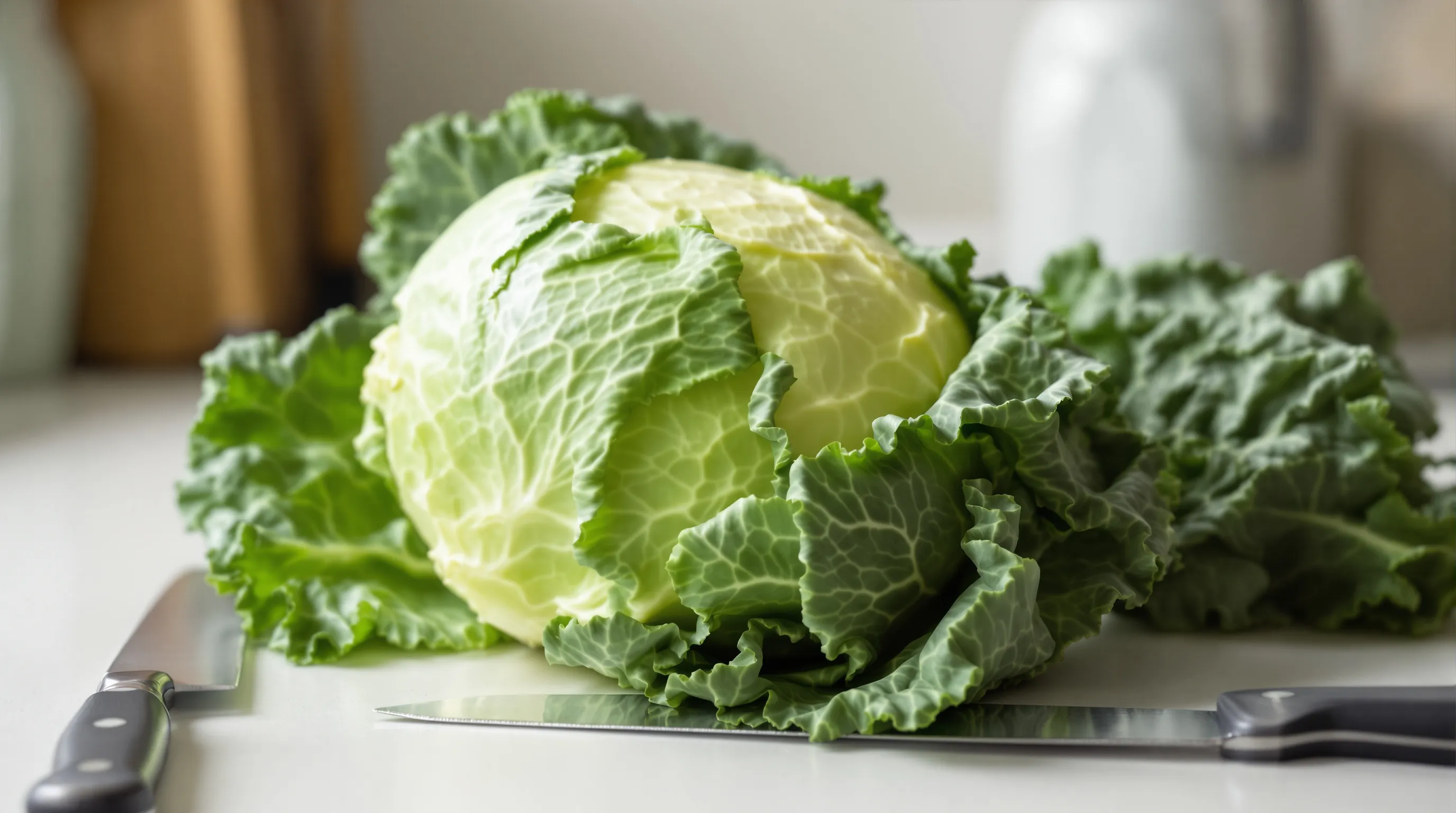
Is Cabbage Good for Pregnancy?
From a nutrition perspective, cabbage can absolutely support a healthy pregnancy when you prepare and eat it safely.
Nutritional snapshot of cabbage (per 1 cup, ~89 g, raw shredded)
Approximate values:
- Calories: ~22 kcal
- Carbohydrates: ~5 g
- Fiber: ~2 g
- Protein: ~1 g
- Fat: <1 g
- Vitamin C: ~30–40% of the Daily Value (DV)
- Vitamin K: ~60–70% DV
- Folate: ~5–10% DV
- Potassium: ~5% DV
Different types (green, red, Savoy, Napa) have slightly different nutrient profiles, but all are low in calories and provide beneficial vitamins, minerals, fiber, and antioxidants.
Why cabbage can fit well in a prenatal diet
When you're pregnant, your nutrient needs go up while your calorie needs increase only modestly. Cabbage helps you:
- Add volume and fiber to meals without adding many extra calories.
- Support digestion (many people struggle with constipation during pregnancy).
- Boost key micronutrients, such as vitamin C, vitamin K, and folate.
The main caveats with cabbage in pregnancy are about food safety (washing and cooking) and portion size (to manage gas, bloating, and special considerations like thyroid issues). You'll find more details below.
Inside The Prenatal Nutrition Library app, you can also quickly look up the safety of any food for pregnancy and see its potential benefits.
Is It Safe to Eat Cabbage During Pregnancy?
Cabbage is safe in pregnancy when you follow basic food safety steps and eat it in moderation.
Key safety points
- Choose cooked cabbage: Cooking helps reduce the presence of bacteria and parasites that may be on raw produce, lowering the risk of foodborne infections such as Listeria.
- Wash thoroughly if eaten raw: Rinse under running water, gently rub the leaves, and remove damaged outer leaves.
- Moderation matters: Large, frequent portions may cause gas, bloating, or discomfort.
Raw cabbage, coleslaw, and salads
Raw cabbage dishes like coleslaw, mixed salads, and slaws can be part of a pregnancy diet, but they come with a slightly higher bacterial risk than cooked versions.
To lower risk:
- Make raw cabbage dishes at home, where you control how well it's washed and stored.
- Avoid or limit pre-made deli coleslaw, salad-bar slaws, and long-sitting salad mixes when hygiene or refrigeration is uncertain.
- Keep salads refrigerated and discard leftovers that have been at room temperature for more than about 2 hours (or 1 hour in very warm conditions).
If you're immunocompromised or your provider has advised you to be extra cautious with raw foods, focusing on cooked cabbage is usually the safer choice.
Foodborne illness disclaimer
Foodborne infections (such as Listeria) can be more serious during pregnancy. If you develop fever, vomiting, diarrhea, severe stomach cramps, or feel very unwell after eating cabbage or any other food, contact your healthcare provider or local urgent care promptly.
This article is for general education and isn't a substitute for medical care or emergency evaluation.
How much cabbage is reasonable in pregnancy?
There's no official "maximum" amount of cabbage set by any health organizations. In practice, cabbage is typically safe when it's:
- Enjoyed as one of many vegetables in your weekly rotation.
- Eaten in typical serving sizes (for example, ½–1 cup cooked or 1–2 cups raw at a meal).
If you notice significant bloating, discomfort, or changes in bowel habits after eating cabbage, you can reduce the portion or frequency and see if symptoms improve.
7 Benefits of Cabbage During Pregnancy
When prepared safely, cabbage offers several potential benefits in pregnancy.
1. Supports fetal development (folate)
Folate is essential for neural tube development (the brain and spinal cord) and DNA synthesis in early pregnancy. While prenatal vitamins usually provide folic acid, food sources like cabbage help support your total folate intake.
- 1 cup of raw cabbage provides a modest but meaningful amount of folate.
- Pairing cabbage with other folate-rich foods (beans, lentils, citrus, leafy greens) strengthens your overall intake.
2. Helps digestion and constipation (fiber)
Constipation is prevalent during pregnancy due to hormonal shifts, iron supplements, and reduced physical activity.
Cabbage contains dietary fiber, which can help:
- Add bulk to stool
- Support regular bowel movements
- Promote a healthier gut environment
Because fiber can also cause gas or bloating in some people, build it in gradually and drink adequate fluids.
3. Supports immune health (vitamin C)
Cabbage is a good source of vitamin C, an antioxidant that supports:
- Normal immune function
- Collagen formation (essential for skin, blood vessels, and wound healing)
- Iron absorption from plant foods
Cooking methods that use less water and take less time (like light steaming or quick stir-frying) help preserve vitamin C.
4. Supports bone and blood health (vitamin K and calcium)
Cabbage contains vitamin K, which plays a key role in blood clotting and works alongside calcium and vitamin D to support bone health.
- Vitamin K intake in pregnancy helps maintain your own bone health.
- Cabbage also contributes small amounts of calcium, which add up when combined with other calcium sources such as dairy, fortified plant milks, salmon, tofu set with calcium, and leafy greens.
5. Helps with healthy weight gain
Many pregnant people worry about gaining too little or too much weight. Cabbage is very low in calories but high in volume, which means:
- You can add it to meals to feel fuller with fewer extra calories.
- It can pair well with higher-calorie sides while still feeling satisfying.
Healthy weight gain ranges vary by pre-pregnancy weight, so talk with your provider about targets that are appropriate for you.
6. May support blood pressure and heart health (potassium & antioxidants)
Cabbage contains potassium and plant compounds with antioxidant activity. Diets that include plenty of fruits and vegetables rich in potassium and antioxidants are linked with:
- Better blood pressure control
- Lower cardiovascular risk over time
During pregnancy, maintaining healthy blood pressure is important to reduce the risk of conditions like gestational hypertension and preeclampsia. Cabbage alone doesn't prevent these conditions, but it can be part of a heart-supportive eating pattern.
7. May help blood sugar control (fiber)
The combination of fiber and a relatively low carbohydrate content means cabbage has a lower glycemic impact than many refined grain foods.
For you, this may mean:
- Slower rise in blood sugar when cabbage replaces or complements more processed starches.
- A helpful side dish if you're working to manage gestational diabetes or prevent sharp blood sugar spikes.
If you have gestational diabetes or pre-existing diabetes, cabbage can be a helpful non-starchy vegetable option. But your total carbohydrate pattern across the meal (grains, fruit, dairy, desserts) still matters most.
Get custom meal plans for gestational diabetes in the app!
Important: Nutrition can support blood sugar control, but it does not replace medical treatment. Always follow your clinician's guidance for blood sugar monitoring and medication.
Key Takeaways
- Cabbage is good for pregnancy when eaten in moderation and prepared safely, offering low calories with valuable vitamins, minerals, fiber, and antioxidants.
- Prefer cooked cabbage during pregnancy, and wash raw cabbage thoroughly to reduce the risk of foodborne infections such as Listeria.
- Including cabbage in a prenatal diet can support fetal development, digestion, and constipation relief thanks to its folate and fiber content.
- Cabbage provides vitamin C, vitamin K, potassium, and small amounts of calcium, which help support immune function, bone health, blood clotting, and heart health in pregnancy.
- Reasonable portions of cabbage (about ½–1 cup cooked or 1–2 cups raw) can aid healthy weight management and blood sugar control, but large amounts may cause gas or bloating.
Want Pregnancy Nutrition Answers Like This—On Demand?
Inside The Prenatal Nutrition Library (TPNL) app, you can:
- Instantly check if foods are safe during pregnancy
- See what nutrients foods like cabbage provide (and why they matter)
- Access 600+ pregnancy-focused recipes and stage-specific meal plans
- Get evidence-based guidance without fear-mongering or guesswork
You can download the app and start your free trial today to feel confident about what you’re eating at every stage—trying to conceive, pregnant, or postpartum.

Ryann Kipping
Licensed Dietitian & Founder of The Prenatal Nutrition Library
Prenatal dietitian with a Master's in Public Health and author of The Feel-Good Pregnancy Cookbook. Founder of The Prenatal Nutrition Library App.

Make pregnancy nutrition simple.
Get custom meal plans, 600+ dietitian-approved recipes, and our "Can I eat…?" search—plus, trimester-by-trimester nutrition priorities and more.