Brazil Nuts and Pregnancy: Benefits & Safe Amount
Brazil nuts and pregnancy
Pregnancy brings significant changes to your body and, with that, changes in your nutritional needs. Navigating which foods are truly supportive (and how much is appropriate) can feel overwhelming, especially when symptoms like nausea or food aversions come into play.
Brazil nuts are one food that often raises questions during pregnancy. In this article, we’ll break down what Brazil nuts are, why they’re nutritionally unique, and how they can fit safely and strategically into a prenatal diet.
When eaten in small amounts, Brazil nuts can:
- Help meet selenium needs with just 1–2 nuts
- Support antioxidant defenses and thyroid function
- Provide healthy fats, fiber, and a small amount of protein
Because Brazil nuts are so concentrated in selenium, they’re best thought of as a targeted, small-dose food rather than an everyday “eat-by-the-handful” snack during pregnancy. We’ll walk through exactly how much is appropriate, who may want to be more cautious, and practical ways to include them— if you choose to eat them.
Inside The Prenatal Nutrition Library (TPNL) app, members can quickly look up foods like Brazil nuts to see if they are safe, key nutrients, and how they fit into pregnancy nutrition without needing to piece together conflicting advice online.
Important: If you have thyroid disease, a history of selenium deficiency or toxicity, or you're already taking selenium-containing supplements, talk with your healthcare provider before adding Brazil nuts regularly.
What Are Brazil Nuts
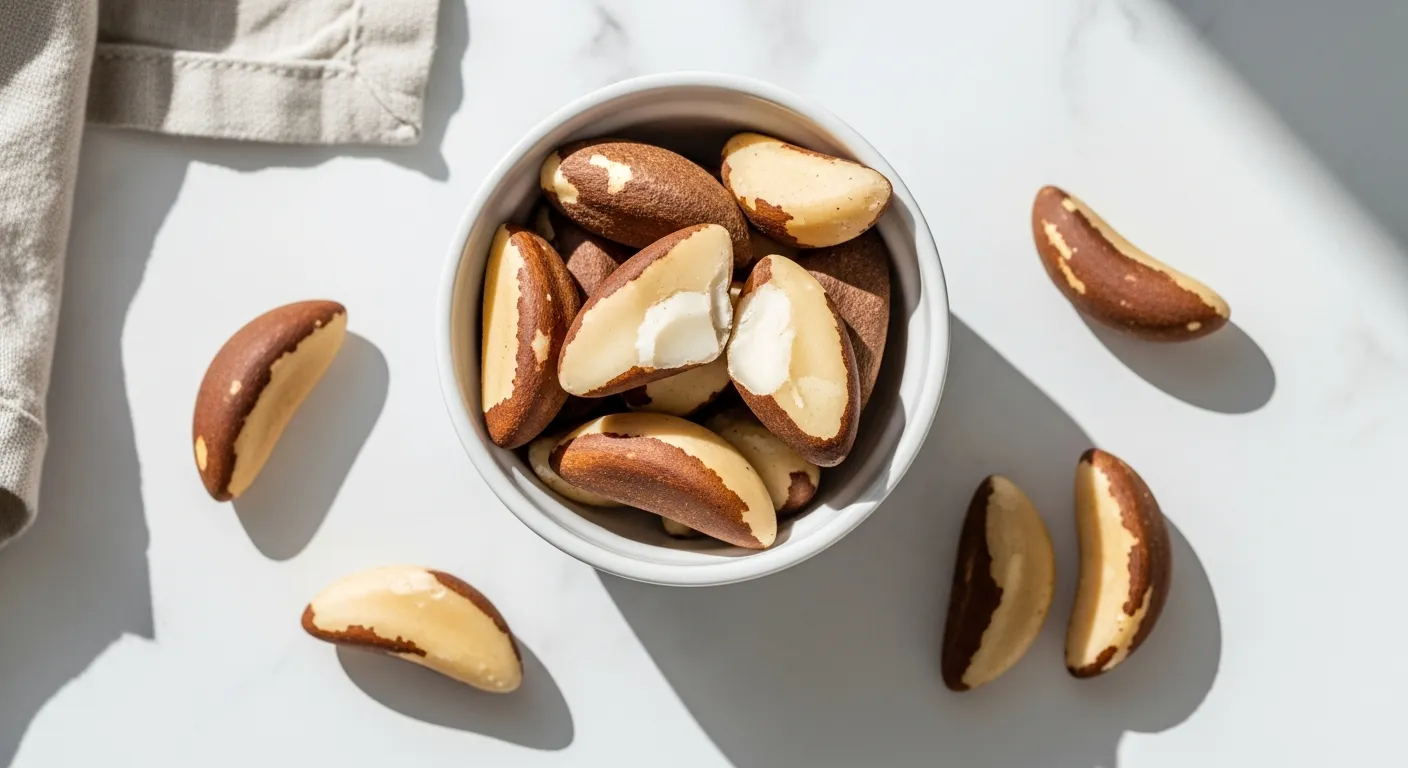
Brazil nuts are large, energy-dense tree nuts that come from the Amazonian tree Bertholletia excelsa. They're technically seeds found inside a hard shell, often sold shelled in the snack or baking aisle.
They stand out nutritionally because they're among the richest known sources of selenium.
Typical nutrients in 1-ounce (about 6–8 nuts) of Brazil nuts:
- Calories: ~185 kcal
- Protein: ~4 g
- Fat: ~19 g (mostly unsaturated)
- Carbohydrate: ~3 g (including ~2 g fiber)
- Selenium: often 400–800+ mcg per ounce, but highly variable by origin and soil
- Magnesium, phosphorus, and small amounts of zinc, copper, and vitamin E
Because selenium content can vary several-fold between batches, it's hard to know exactly how much selenium is in one nut. That's why most guidance focuses on limiting the number of nuts per day rather than relying on them as your main source of selenium.
Are Brazil Nuts Good For Pregnancy
Brazil nuts can be a good addition to your pregnancy or preconception diet in very small amounts, and when you account for other selenium sources in your diet and supplements.
Potential positives:
- Help improve low selenium status, which is relatively common in some regions
- Support thyroid hormone metabolism, which is crucial for your baby's brain and nervous system development
- Provide healthy fats and some plant protein
- Offer antioxidant and immune support via selenium and vitamin E
Potential concerns:
- The tolerable upper intake level (UL) for selenium in adults in the US is 400 mcg/day. A single Brazil nut can range from ~50 to over 150 mcg.
- Regularly eating many Brazil nuts, in addition to a prenatal vitamin with selenium, may raise your total intake above the UL.
So, are Brazil nuts "good" in pregnancy? They can be helpful in small, thoughtful portions, but probably shouldn't be your main or only selenium strategy.
What Are The Benefits Of Brazil Nuts During Pregnancy
Below are the main ways Brazil nuts may support you during pregnancy, postpartum, and preconception, based on current evidence.
Antioxidant protection
Selenium is a key part of antioxidant enzymes such as glutathione peroxidases, which help limit oxidative stress in your cells.
During pregnancy, oxidative stress naturally increases as your metabolism and placenta work harder.
Adequate selenium intake may:
- Support your body's natural antioxidant defenses
- Help protect cell membranes from free radical damage
- Contribute to long-term health for you and your baby
Brazil nut intake has been shown in some trials to rapidly raise blood selenium levels and improve markers of antioxidant status, even with just 1 nut per day in adults.
Selenium and thyroid support
Selenium is essential for enzymes (deiodinases) that convert thyroid hormone T4 into its active form T3, and for protecting the thyroid gland from oxidative damage.
During pregnancy, selenium needs increase to 60 mcg per day to support thyroid hormone metabolism, antioxidant defense, and fetal development. In comparison, intakes above 400 mcg per day may increase the risk of toxicity.
In pregnancy, healthy thyroid function helps support:
- Fetal brain and nervous system development
- Your energy levels and temperature regulation
- Healthy pregnancy outcomes overall
Some studies in pregnant women show that Brazil nut consumption significantly raises selenium status and may support thyroid hormone balance, especially where baseline selenium intake is low.
If you have diagnosed thyroid disease, it's essential to discuss selenium from food and supplements with your clinician's guidance, as exceeding safe levels can be harmful.
Brain development and fatty acids
Brazil nuts provide mostly unsaturated fats, including some omega‑6 fatty acids. While they aren't a major source of DHA (the long-chain omega‑3 that directly supports fetal brain development), these fats still:
- Contribute to overall energy and fat intake
- Support normal brain and nervous system function
- Help with the absorption of fat-soluble vitamins such as vitamin E
You'll still want separate, reliable sources of DHA, such as low‑mercury fatty fish, fortified foods, or a clinician-approved supplement if needed.
Get science-backed supplement guidance, recommendations, and discounts inside the Prenatal Nutrition Library app.
Immune support
Selenium and vitamin E both play roles in normal immune function.
- Selenium influences how immune cells communicate and respond to infections.
- Vitamin E acts as an antioxidant in cell membranes.
During pregnancy, your immune system shifts to help you tolerate the pregnancy while still fighting infections. Ensuring you meet, but don't significantly exceed, selenium requirements may be part of a broader immune-supportive eating pattern.
Fertility and preconception support
For people trying to conceive, adequate selenium status has been linked with aspects of reproductive health in both women and men.
Early research suggests that:
- Low selenium status may be associated with poorer sperm quality in men
- Balanced selenium levels may support ovarian function and early pregnancy
This doesn't mean Brazil nuts are a fertility "fix," but 1–2 nuts on some days may help optimize selenium status as part of a balanced preconception plan, especially if your overall dietary selenium intake is modest.
How To Eat Brazil Nuts During Pregnancy
Brazil nuts are potent. A little goes a long way. Here's how to keep them in a safe, food-first context.
How Many Brazil Nuts Are Safe During Pregnancy
For most adults, US and international guidance suggests staying below 400 mcg of selenium per day from food and supplements combined.
Because selenium in Brazil nuts varies widely, most experts recommend small portions:
- Common general guidance: No more than 4–5 Brazil nuts per day for adults, assuming no other large selenium sources.
- More cautious pregnancy-focused suggestions: 2–3 Brazil nuts per day to keep a safety margin below the upper limit.
In pregnancy and preconception, a cautious, practical approach is often:
- Aim for 1–2 Brazil nuts on days you choose to eat them, mainly if your prenatal vitamin contains selenium.
- Avoid combining regular Brazil nut snacking with a separate, high-dose selenium supplement unless your healthcare provider has specifically recommended it.
Signs of selenium excess (selenosis) can include hair loss, brittle nails, a garlic-like breath odor, and gastrointestinal upset.
These symptoms have typically been seen with intakes well above the upper limit over time, not from small portions of Brazil nuts. Still, if you notice concerning symptoms, contact your healthcare provider for individualized evaluation.
Medical disclaimer: This information is for general education and does not replace personalized medical care. If you suspect a nutrient deficiency or toxicity, or have thyroid or autoimmune disease, seek guidance from your healthcare provider or a qualified prenatal nutrition professional.
Easy, Realistic Ways to Eat Brazil Nuts
If you and your clinician are comfortable including Brazil nuts, here are simple ideas:
- Quick snack: Eat 1–3 plain Brazil nuts alongside a piece of fruit or a yogurt cup.
- Oatmeal topping: Chop 1–2 nuts and sprinkle over oatmeal with berries and cinnamon.
- Yogurt or cottage cheese: Stir in finely chopped Brazil nuts for extra crunch and healthy fats.
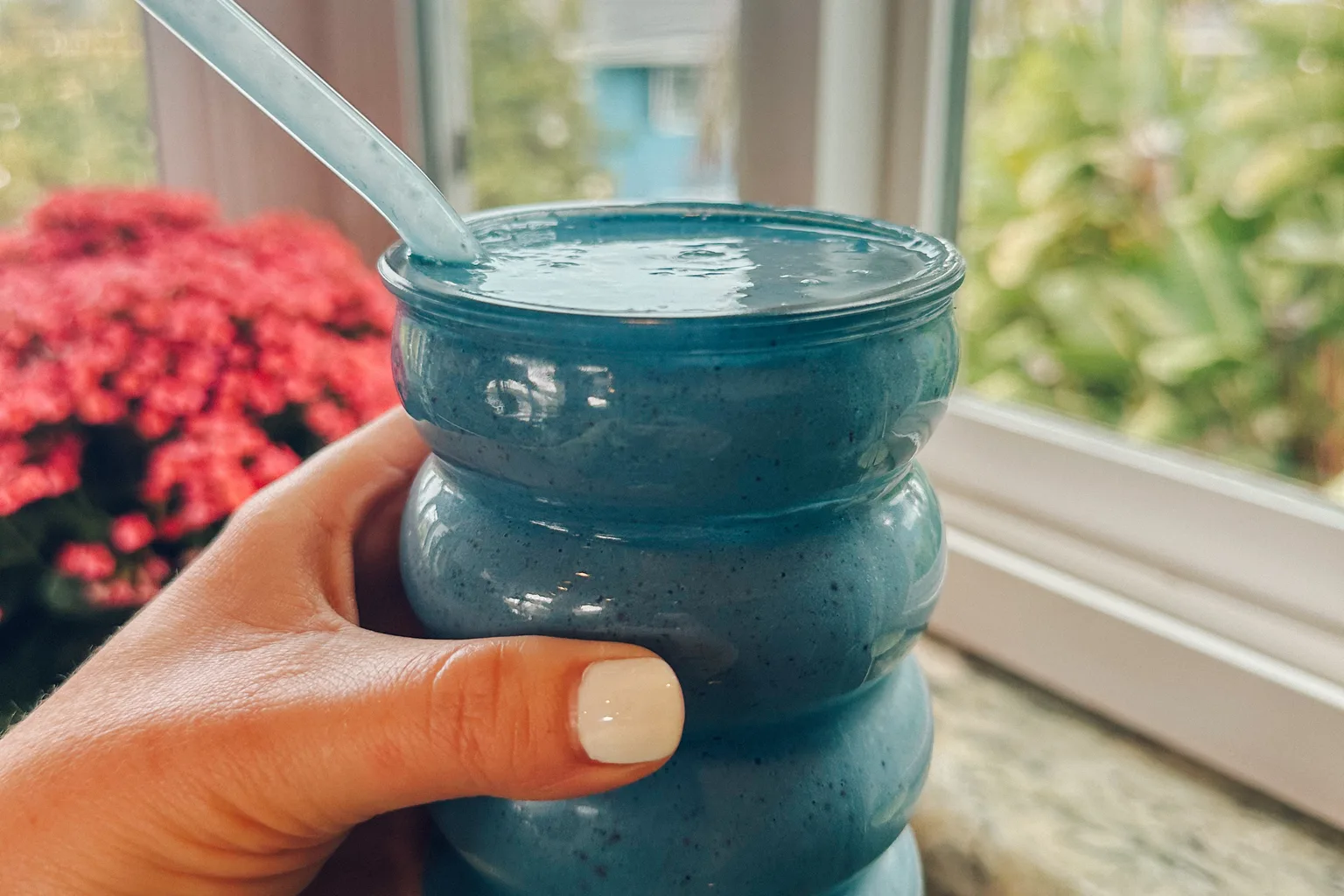
- Smoothies: Blend 1–2 nuts with milk or a fortified plant beverage, fruit, and leafy greens.
- Salads and grain bowls: Add chopped Brazil nuts to salads, quinoa bowls, or roasted vegetable dishes in place of some other nuts.
- Nut butter swap: If you make homemade nut butter, use a small proportion of Brazil nuts mixed with other nuts to dilute the selenium content.
Because they're so rich, you don't need Brazil nuts every single day. Using them occasionally and in small amounts can still meaningfully contribute to selenium intake.
Want More Clarity Around Food Choices During Pregnancy?
Nutrition during pregnancy doesn’t have to be about memorizing "rules" or second-guessing every food choice. It’s simply about having a reliable place to check your questions, understand the actual risks of food, and see which foods provide the most essential nutrients for a healthy mom and baby.
Inside The Prenatal Nutrition Library (TPNL) app, you can:
- Look up foods and ingredients to see if they are safe
- Learn what key nutrients foods provide (and where to get them elsewhere)
- Understand how foods fit into pregnancy, preconception, and postpartum nutrition
- The 'Ask an RD' feature to chat with real prenatal dietitians
If you’re navigating food choices like Brazil nuts and want support that’s practical and rooted in science, the app is designed to meet you there, without fear-based messaging or information overload.
You can try it for free with our 7-day trial!

Ryann Kipping
Licensed Dietitian & Founder of The Prenatal Nutrition Library
Prenatal dietitian with a Master's in Public Health and author of The Feel-Good Pregnancy Cookbook. Founder of The Prenatal Nutrition Library App.

Make pregnancy nutrition simple.
Get custom meal plans, 600+ dietitian-approved recipes, and our "Can I eat…?" search—plus, trimester-by-trimester nutrition priorities and more.