Deli Meat While Pregnant: Safe Sandwich Tips and Listeria Guidance
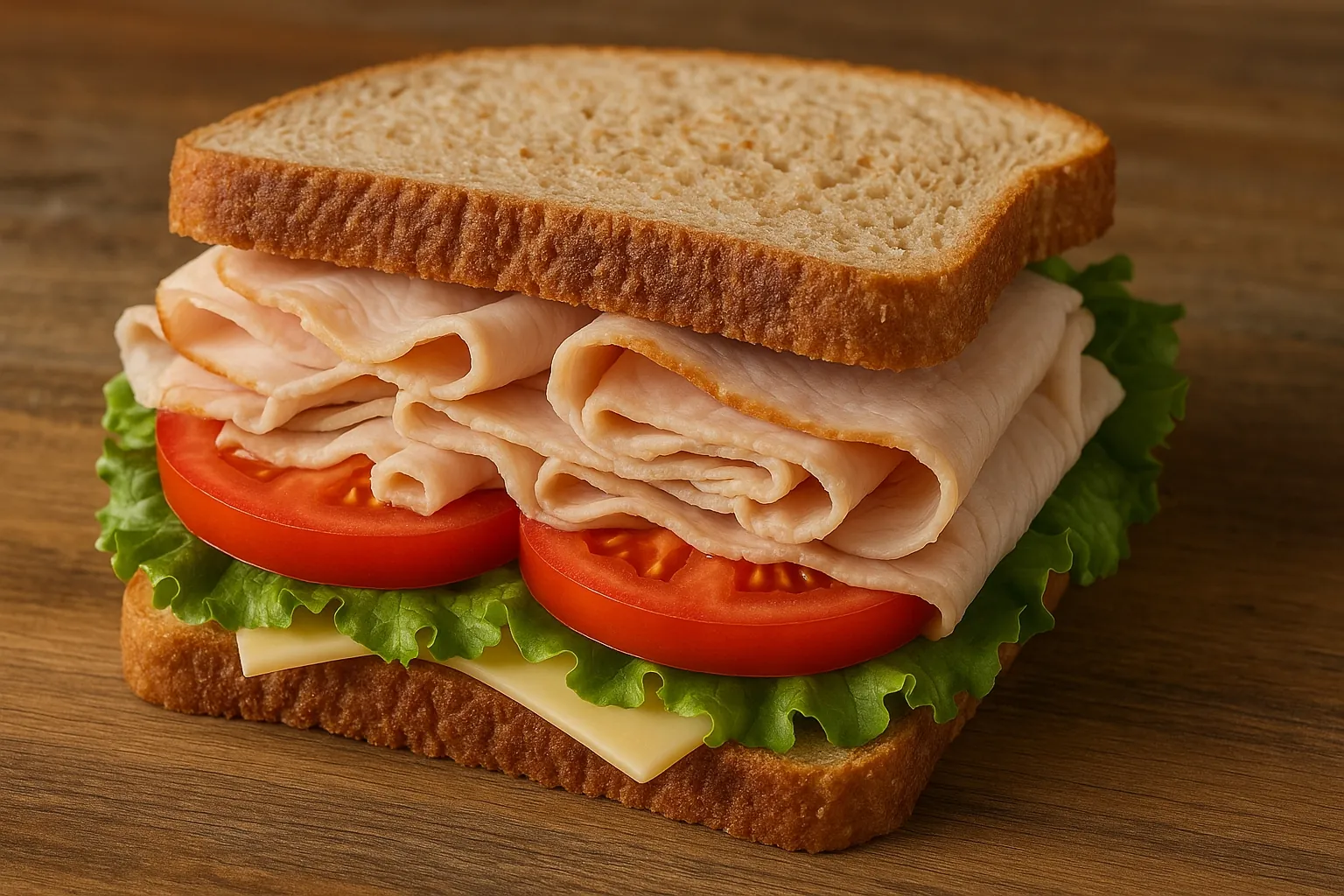
A turkey sandwich can sound especially appealing during pregnancy, quick, familiar, and often easier to tolerate when strong cooking smells are off-putting. But advice about deli meat while pregnant can feel confusing.
The main concern is Listeria monocytogenes, a rare foodborne bacterium that can cause more serious illness during pregnancy. The practical goal is not panic or guilt: it is making informed food-safety choices that work for you.
Why Deli Meat Raises Pregnancy Food-Safety Concerns
Understanding Listeria And Other Foodborne Risks
Deli meat includes thinly sliced turkey, chicken, ham, roast beef, bologna, salami, prosciutto, pepperoni, and similar products. It may be sliced at a grocery counter or sold in a sealed package. Both types can become contaminated if food is processed, handled, or stored improperly.
The primary pregnancy concern is Listeria, the bacterium that causes listeriosis. Listeria can survive refrigeration and may contaminate ready-to-eat foods, including cold cuts, hot dogs, refrigerated pâté, meat spreads, and some smoked seafood.
Pregnancy increases susceptibility to listeriosis, while infection can affect the fetus or newborn and may contribute to miscarriage, stillbirth, premature delivery, or serious newborn infection.
The risk of listeriosis is low, but the potential consequences during pregnancy make prevention especially important. These foods aren't suddenly risky just because you're pregnant. Food-safety risks exist for everyone, but pregnancy increases susceptibility to certain infections and raises the stakes if an infection occurs. That's why pregnancy food-safety recommendations are more cautious.
Deli meat isn't automatically unsafe, and one sandwich doesn't mean you will get ill. But following safer handling and heating practices adds an extra layer of protection.
Listeria is not the only concern. Undercooked meat can carry other pathogens, and cross-contamination can occur through unwashed hands, knives, cutting boards, or refrigerator surfaces.
Keep deli meat at 40°F (4°C) or colder, follow package storage instructions, and refrigerate it promptly. Opened packages are generally best used within three to five days unless the label gives different guidance.
Which Deli Meats Are Safer During Pregnancy?
The risk of you contracting listeriosis is extremely low. According to the CDC, 1,600 people are affected by listeriosis each year; 327.2 million people live in the US.
Remember, no one food is considered 100% safe or unsafe from a food safety perspective.
The absolute safest approach is to avoid cold, ready-to-eat deli meat during pregnancy or heat it before eating.
This guidance applies to common choices such as:
- Turkey and chicken slices
- Ham and roast beef
- Bologna and other luncheon meats
- Salami, pepperoni, and dry-cured sausage
- Prosciutto and similar cured meats
- Lox or smoked salmon is slightly different but generally follows the same guidance.
A sealed package isn't automatically safer than meat sliced at a deli counter, but it often means less potential for cross-contamination and fewer refrigeration concerns. Refrigeration slows bacterial growth but does not reliably eliminate Listeria. A reputable store with strong hygiene practices matters, but proper heating remains the more dependable way to reduce risk.
When shopping, check use-by dates, package condition, and storage instructions. Avoid packages that are leaking, swollen, damaged, or included in a food-safety recall. "Nitrate-free," organic, grass-fed, or premium labels do not make deli meat Listeria-free: these descriptions relate to ingredients or production methods, not complete protection from contamination.
If you prefer to avoid deli meat, that is also a reasonable choice. Your decision may depend on your comfort level, access to cooking facilities, budget, and how the food fits into your overall eating pattern. From a nutrition standpoint, you don't need to eat cold cuts during pregnancy.
That said, if a sandwich is one of the few foods you can stomach in the first trimester, eat it. Deli meat provides protein, which many pregnant women struggle to get during the first trimester.
The Steaming-Hot Rule For Heating Lunch Meat
Heating deli meat to 165°F (74°C) or until visibly steaming hot just before serving is the standard safer-choice recommendation during pregnancy. This temperature helps destroy Listeria and other harmful bacteria that may be present.
You can heat lunch meat in several ways:
- Warm it in a skillet until steaming.
- Microwave it in a microwave-safe dish, loosely covered to retain moisture.
- Ask a restaurant or café to thoroughly toast the sandwich, heating the meat before serving.
- Add the meat to a cooked dish, such as eggs, pasta, soup, or a grilled sandwich.
Heating only the bread or melting cheese over cold slices may not warm the meat evenly. If you use a thermometer, measure the thickest portion. If needed, let the meat cool briefly before eating, but don't leave it at room temperature for long.
Food safety also depends on storage. Refrigerate perishable food within two hours, or within one hour when the surrounding temperature is above 90°F (32°C). Keep your refrigerator at 40°F (4°C) or below and your freezer at 0°F (-18°C). Wash your hands, utensils, and preparation surfaces after handling deli meat, and keep it from touching foods you'll eat raw.
Safe Cheeses, Toppings, Condiments, And Sandwich Ingredients
A sandwich can be nutritious when it includes a protein source, whole-grain bread, vegetables, and a calcium-rich food. Choose cheese labeled pasteurized, which includes many hard cheeses and several pasteurized soft cheeses. Avoid unpasteurized milk products and refrigerated soft cheeses unless the label clearly confirms pasteurization.
Use extra caution with queso fresco, queso blanco, panela, brie, camembert, blue-veined cheese, and similar products. Choose options made with pasteurized milk, but refrigeration and handling still matter. Heating a soft cheese until steaming can provide additional protection if you are concerned.
Wash and scrub fresh produce under running water before slicing. Do not use raw sprouts, including alfalfa, clover, radish, or mung bean sprouts, because their growing conditions can support bacterial contamination. Keep lettuce, tomatoes, cucumbers, and other toppings separate from areas used to prepare raw meat.
Mustard, mayonnaise, and other commercially prepared condiments are generally acceptable when stored correctly. Use pasteurized products, follow opening instructions, and avoid homemade versions containing raw eggs unless the eggs have been safely treated. A clean sandwich shop, prompt refrigeration, and good hand hygiene matter as much as the ingredient list.
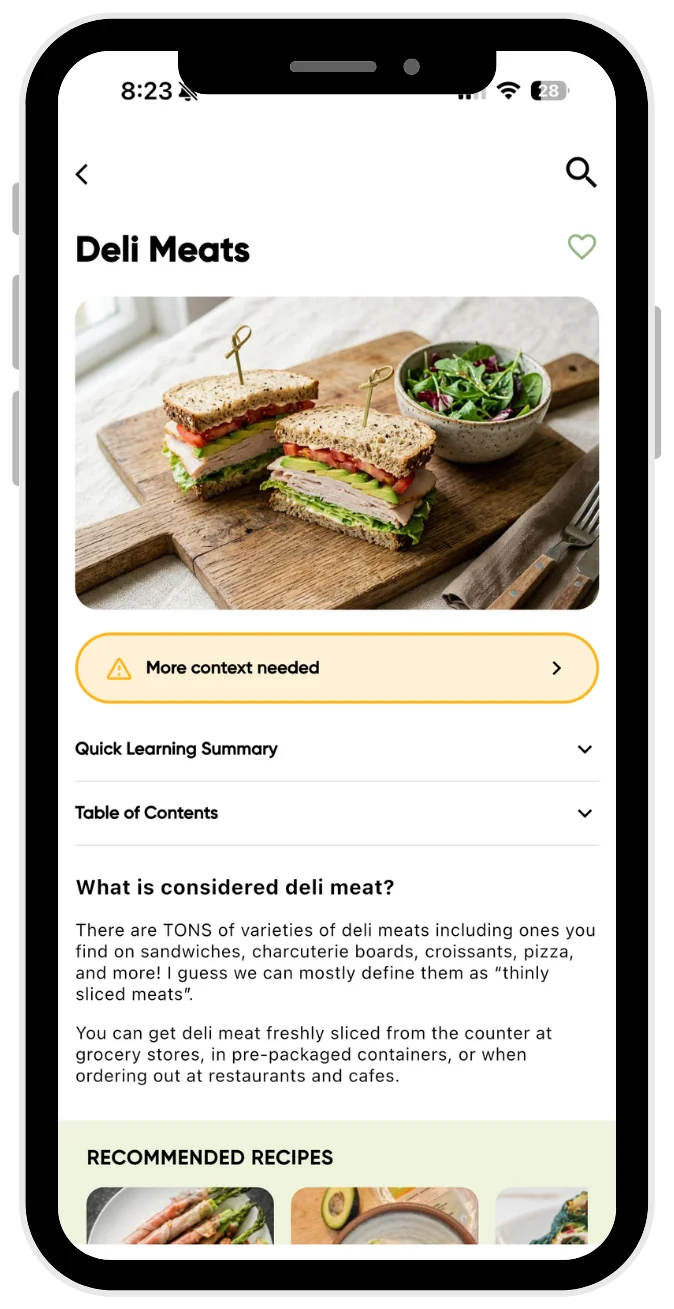
If you've found yourself staying up late Googling whether the foods in your fridge, pantry, or everyday meals are safe during pregnancy, the Prenatal Nutrition Library App was made for you. Instead of sorting through conflicting information online, you can search the app for science-backed answers to your pregnancy nutrition questions, so you can spend less time worrying about what you're eating and more time enjoying your meals.
Pregnancy-Safe Alternatives To Cold Deli Meat
If you want the convenience of a sandwich without cold cuts, several alternatives provide protein and flavor:
- Freshly cooked chicken or turkey: Cook poultry to 165°F (74°C), then slice it at home and refrigerate promptly.
- Egg salad: Use fully cooked eggs and commercially prepared or pasteurized mayonnaise.
- Canned salmon or tuna: Choose lower-mercury options and follow pregnancy guidance on serving amounts. Avoid refrigerated smoked seafood unless it is cooked in a dish.
- Hummus and beans: Pair with whole-grain bread, roasted vegetables, or avocado.
- Peanut or other nut butter: Add banana or apple slices for a quick, filling option, and be mindful of any known allergies.
- Cooked leftovers: Sliced meatloaf, roasted vegetables, or cooked tofu can work well in a warm sandwich.
These options can also help you vary your nutrient intake. Deli meat may provide protein, iron, zinc, and vitamin B12, but many foods provide those nutrients. If nausea, appetite changes, food restrictions, or a vegetarian diet make it hard to meet your nutritional needs, join The Prenatal Nutrition Library for specific strategies and foods to incorporate.
What To Do If You Feel Sick After Eating Deli Meat
Listeria exposure is uncommon, and eating one serving of deli meat does not mean you are infected. Do not induce vomiting or take medication to prevent illness without professional guidance.
Contact your healthcare provider promptly if you develop fever, chills, muscle aches, unusual fatigue, nausea, vomiting, or diarrhea, especially if symptoms occur after a known recall or exposure. Listeriosis can sometimes cause mild or nonspecific symptoms during pregnancy, so your clinician may want to discuss the food, timing, and symptoms. Seek urgent care for severe illness, dehydration, trouble breathing, confusion, or other emergency symptoms.
Frequently Asked Questions
Can you eat deli meat while pregnant?
Yes, but it’s safest to heat deli meat to 165°F (74°C) until steaming hot before eating to kill Listeria bacteria, which can pose risks during pregnancy.
Why is deli meat considered risky during pregnancy?
Deli meat may harbor Listeria monocytogenes, a bacterium that can survive refrigeration and cause illness, which can be more serious during pregnancy.
Which types of deli meats should pregnant women avoid or be cautious about?
Pregnant women should be cautious with unheated cold cuts, hot dogs, and dry sausages like salami and pepperoni. However, these meats are not dangerous.
How should pregnant women store and handle deli meat safely?
Refrigerate deli meat promptly at 40°F (4°C) or below; use opened packages within 3–5 days; wash hands and utensils thoroughly; and avoid eating deli meats left at room temperature for too long.
Are there safe deli-meat alternatives for pregnant women who want sandwiches?
Yes, options include freshly cooked poultry heated to 165°F, egg salad made with fully cooked eggs, canned low-mercury fish, hummus, nut butters, and cooked leftovers.
Are nitrates and nitrites in deli meat safe during pregnancy?
Nitrates and nitrites are commonly used to preserve deli meats. While research has raised concerns about high intakes of processed meats, there’s no strong evidence that occasionally eating deli meat containing nitrates or nitrites is harmful during pregnancy. Keep in mind that “uncured” or “no nitrates added” doesn't necessarily mean nitrate-free. Learn more in our Nitrates and Pregnancy Blog or in our Complete Nitrates and Nitrites guide in the app.
What should I do if I ate cold deli meat while pregnant?
Eating cold deli meat is not dangerous. You don't need to do anything unless you feel sick 24–72 hours after eating it. Listeria exposure from a single serving is rare. Monitor for symptoms like fever or fatigue, and contact your healthcare provider promptly if you develop them.

Ryann Kipping
Licensed Dietitian & Founder of The Prenatal Nutrition Library
Prenatal dietitian with a Master's in Public Health and author of The Feel-Good Pregnancy Cookbook. Founder of The Prenatal Nutrition Library App.

Make pregnancy nutrition simple.
Get custom meal plans, 600+ dietitian-approved recipes, and our "Can I eat…?" search—plus, trimester-by-trimester nutrition priorities and more.