Protein Powder While Pregnant: What’s Safe, What to Avoid, and How to Choose Wisely
If you're searching for "protein powder while pregnant," you're probably looking for a practical answer, not another list of confusing supplement claims. Protein is essential for your baby's growth and for changes in your own body, but most people can meet pregnancy needs through balanced meals and snacks. Protein powder may help when nausea, food aversions, dietary restrictions, or a low appetite make eating difficult. It is not a meal replacement, and product quality varies widely. Here's how to think about it safely and realistically.
Why Protein Matters During Pregnancy
Protein supports fetal growth, placenta development, maternal tissue expansion, increased blood volume, and the production of hormones and enzymes. It also helps maintain muscle and supports recovery as your body adapts to pregnancy.
But protein foods provide more than protein alone.
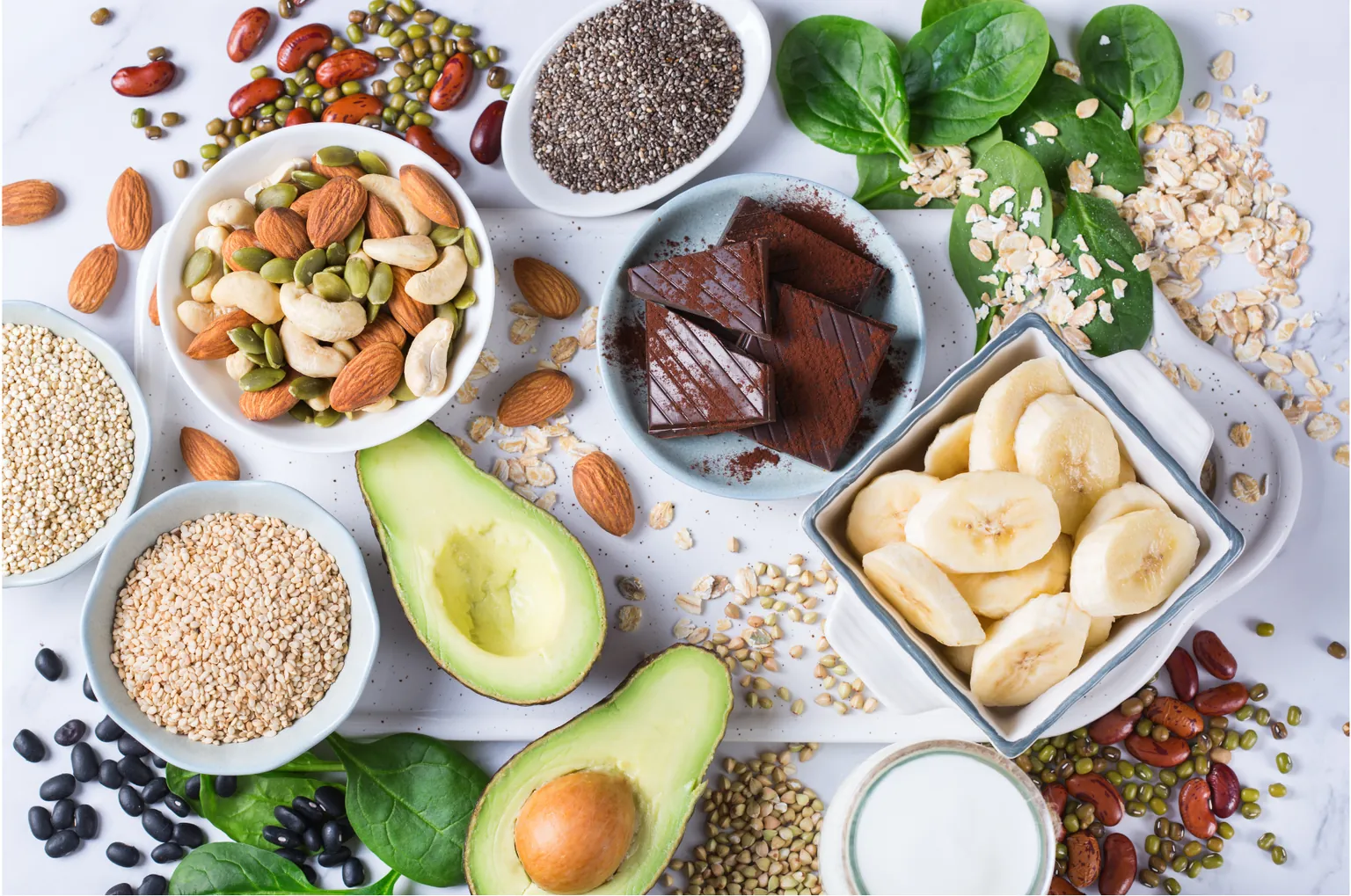
Eggs contain choline and vitamin B12; dairy foods provide calcium and iodine; beans and lentils contribute fiber, folate, iron, and potassium; and fish can provide protein plus iodine and omega-3 fats. This is why food-first nutrition remains the preferred approach.
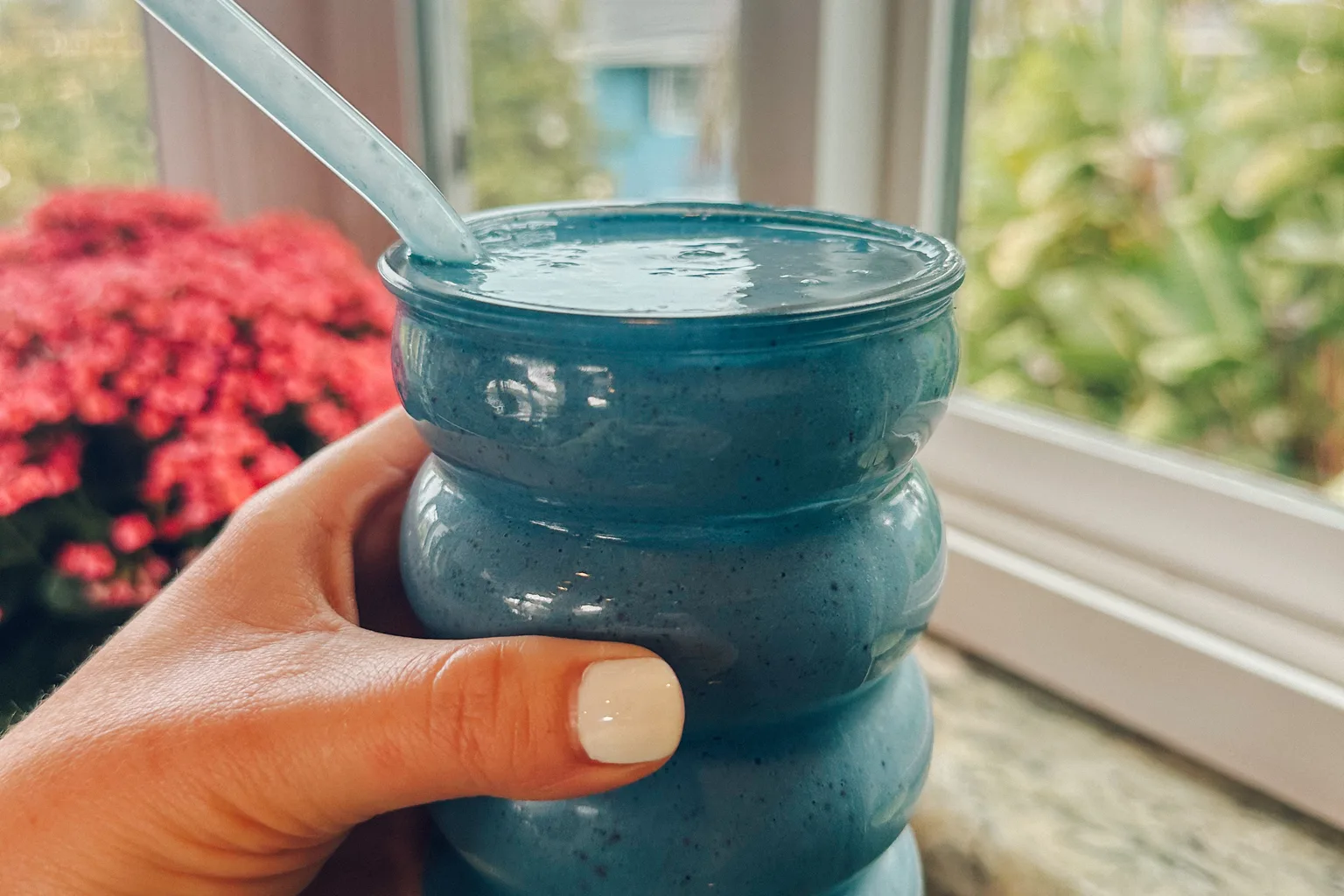
During nausea or strong food aversions, protein may be one of the first nutrients to disappear from your meals. A smoothie made with yogurt or milk, fruit, vegetables, nut butter, and a scoop of protein powder can be practical. The goal is a balanced addition, not a high-protein diet built around shakes.
How Much Protein Do You Need While Pregnant?
Protein needs depend on your body weight, stage of pregnancy, activity level, total calorie intake, and health status. A commonly used baseline is about 0.8 grams per kilogram of body weight per day before pregnancy. In the second half of pregnancy, needs are often estimated at approximately 1.1 grams per kilogram daily, while some newer research suggests higher intakes, roughly 1.2 to 1.5 grams per kilogram, may be relevant for certain people later in pregnancy.
In practical terms, that's about 80–120 grams per day, but that is not a universal target. Your clinician or registered dietitian can calculate a more appropriate amount for you.
More is not automatically better. Research has raised concerns about high-protein supplementation during pregnancy, particularly when protein is added disproportionately to overall energy intake. Balanced protein-energy intake appears to be more important than simply increasing protein.
Focus on overall dietary balance rather than chasing a number.
Is Protein Powder Safe During Pregnancy?
There is no single answer for every product.
Some protein powders can be used during pregnancy, but most of your protein intake should come from whole food sources.
Protein powders are dietary supplements, and supplements are not approved by the FDA for safety or effectiveness before they reach the market in the same way medications are. Products may contain contaminants, inaccurate amounts, or ingredients that are not suitable for pregnancy. Heavy metals, including lead, arsenic, cadmium, and mercury, are a particular quality concern, especially in some plant-based products.
"Third-party tested" means an independent organization has assessed aspects of a product's identity, contents, or contaminants. It is useful, but it does not make a product necessary or guarantee that it is right for you. Check the serving size, protein amount, allergen statement, and full ingredient list. Discuss regular use with your prenatal clinician, especially if you have kidney disease, diabetes, thyroid disease, or severe nausea.
This article is educational and does not replace individualized medical advice. If you have symptoms, a diagnosed condition, or concerns about nutrient deficiency, contact your healthcare provider.
Comparing Protein Powder Types and Ingredients
Common protein sources
- Whey and casein: Milk-derived proteins that contain all nine essential amino acids. They are not suitable for people with milk allergy and may cause symptoms for some people with lactose intolerance, although many isolates contain little lactose.
- Pea protein: A useful plant-based option and generally well tolerated. It is not a complete protein by itself, so vary your other protein foods across the day.
- Hemp protein: Provides protein, fiber, and minerals, but is not considered a complete protein. Pregnancy-specific research is limited.
- Rice protein: Plant-based and useful for some dietary patterns. Brown-rice products deserve careful quality testing because rice can accumulate arsenic.
- Collagen peptides: Provide protein and glycine but are not a complete protein source. They should supplement, not replace, varied protein foods. This is our favorite collagen, made for pregnancy!
- Egg-white protein: A complete protein, but it does not provide the choline and other nutrients found in the yolk.
If you are looking for smoothie ideas, try these.
Ingredients requiring caution
Look carefully for added sugar, caffeine, stimulant blends, herbal extracts, "adaptogens," proprietary blends, and unnecessary vitamins or minerals. A fortified powder may add to nutrients already supplied by your prenatal vitamin. For this reason, avoid protein powders with added vitamins and minerals.
Artificial sweeteners and sugar alcohols may cause digestive symptoms, and pregnancy safety data vary by ingredient. Plain products with short ingredient lists are easier to evaluate.
How to Choose a Pregnancy-Friendly Protein Powder
Use this checklist when comparing products:
- Start with food. Consider whether milk, yogurt, eggs, fish, poultry, tofu, beans, lentils, nuts, or seeds could meet the need more completely.
- Choose a modest serving. A product providing about 20–30 grams of protein may be enough when supplementation is recommended. Avoid taking multiple servings unless your clinician specifically advises it.
- Read every ingredient. Prefer a plain powder without caffeine, herbal mixtures, stimulants, or a long list of thickeners, colors, and flavors.
- Avoid unnecessary fortification. Extra iron, vitamin A, iodine, or other nutrients may overlap with your prenatal supplement.
- Look for independent testing. Seek transparent testing for identity and contaminants, including heavy metals. "Natural" or "clean" on a label is not the same as verified quality and third-party testing.
- Check allergens and preparation instructions. Use pasteurized dairy ingredients and prepare shakes safely. Wash produce, use clean equipment, and refrigerate smoothies promptly.
A protein powder should fill a specific gap in your diet, not become its foundation.
Risks, Better Food Sources, and When to Ask Your Clinician
Whole foods are the better first choice because they deliver protein alongside fiber, fats, vitamins, and minerals. Options include:
| Food | Approximate protein |
|---|---|
| 1 large egg | 6 grams |
| 1 ounce cooked meat, poultry, or fish | 7 grams |
| ½ cup beans or lentils | 7–9 grams |
| ½ cup tofu | About 10 grams |
| 1 cup milk or yogurt | 8–20 grams, depending on the food |
Choose low-mercury fish and follow pregnancy food-safety guidance. Dairy products should be pasteurized. Cook meat, eggs, and seafood to safe internal temperatures.
Ask your clinician before using protein powder regularly if you cannot keep food down, are losing weight, follow a vegan diet, have a food allergy, have kidney or metabolic disease, or have been told you may have a nutrient deficiency. Severe vomiting, dehydration, fainting, or inability to keep liquids down warrants prompt medical attention. Your care team can determine whether a supplement is appropriate and whether another intervention is needed.
Conclusion
Protein powder can be a convenient tool during pregnancy, particularly when nausea, aversions, or dietary restrictions make protein difficult. Still, it is a supplement, not a substitute for varied food. Prioritize balanced protein sources, check labels carefully, and choose a third-party-tested product with minimal ingredients and no caffeine, herbal blends, or unnecessary added nutrients.
Check the TPNL app for our trusted protein powder recommendations.
Frequently Asked Questions
Can I use protein powder while trying to conceive?
Generally, a simple product may be reasonable, but review it with your clinician because supplement quality and individual health needs differ.
When should I seek medical advice?
Ask for guidance if intake is consistently low, nausea prevents eating or drinking, or you have a medical condition affecting nutrition.
How much protein do pregnant women need daily?
Pregnant women typically need about 70–100 grams of protein daily, depending on body weight and trimester. Early pregnancy requires about 0.8 grams per kilogram, increasing to 1.1–1.5 grams per kilogram in later stages. Consult your clinician for personalized recommendations.
Can protein powder replace meals during pregnancy?
No, protein powders should not replace meals during pregnancy. They lack fiber, healthy fats, vitamins, and minerals found in whole foods. Instead, use protein powder as a supplement only when dietary intake is insufficient due to nausea, aversions, or dietary restrictions.
What types of protein powders are best for pregnant women?
Whey or beef protein is generally a good choice if tolerated, as it contains all essential amino acids. Plant-based options like pea, hemp, collagen, or rice protein can be used but may lack some amino acids. Choose plain powders without added sugars, artificial sweeteners, stimulants, vitamins, or herbal extracts.
When should I consult a healthcare professional about using protein powder in pregnancy?
Seek medical advice if you experience persistent low food intake, severe nausea, weight loss, or have underlying conditions like kidney disease or nutrient deficiencies. Always discuss supplement use and appropriate serving sizes with your prenatal care provider to ensure safety.
Ryann Kipping
Licensed Dietitian & Founder of The Prenatal Nutrition Library
Prenatal dietitian with a Master's in Public Health and author of The Feel-Good Pregnancy Cookbook. Founder of The Prenatal Nutrition Library App.

Make pregnancy nutrition simple.
Get custom meal plans, 600+ dietitian-approved recipes, and our "Can I eat…?" search—plus, trimester-by-trimester nutrition priorities and more.