Can You Eat Smoked Salmon While Pregnant? Safe Guide
Smoked salmon shows up on brunch boards, bagels, and salads, and for good reason: it's nutrient-dense, rich in protein and omega-3s, delicious, and a bit luxurious. But "smoked salmon" isn't a single product, and considering preparation methods matters when pregnancy is in the picture.
In this guide written for prenatal nutrition, you'll learn the key differences between cold- and hot-smoked salmon, the evidence-based risks to weigh, practical ways to enjoy salmon safely, and clear recommendations, so you can keep the benefits while minimizing avoidable hazards.
Smoked Salmon and Pregnancy: Practical, Low-fear Guidance
Smoked salmon can absolutely be part of a healthy pregnancy diet. This guide focuses on the benefits of salmon during pregnancy, explains the differences between cold- and hot-smoked products, and gives straightforward, practical ways to enjoy salmon safely without alarm.
Why Salmon Is a Valuable Pregnancy Food
Salmon is nutrient-dense and offers several pregnancy benefits:
- High-quality protein to support maternal tissues and fetal growth.
- DHA and EPA (omega-3s) that support fetal brain and eye development; pregnancy is a time when getting DHA from diet matters.
- Vitamin D, which helps bone health and immune function.
- Selenium and iodine, important for thyroid health and development.
- Low mercury compared with many large predatory fish, making salmon a recommended choice among seafood options.
Because of these benefits, including salmon (cooked or otherwise lower-risk forms) can be a meaningful way to meet prenatal nutritional needs. If your only accessible or tolerable salmon is cold-smoked, many people still choose to eat it because of its nutrient density—see the safety tips below to reduce risk.
If you have questions about a specific product label or deli item, download the app, search for the food or ingredient, or post it in the questions forum for a prenatal dietitian to review.
Cold-Smoked vs Hot-Smoked Salmon — What the Processes Mean
Understanding how a product was made helps you choose confidently.
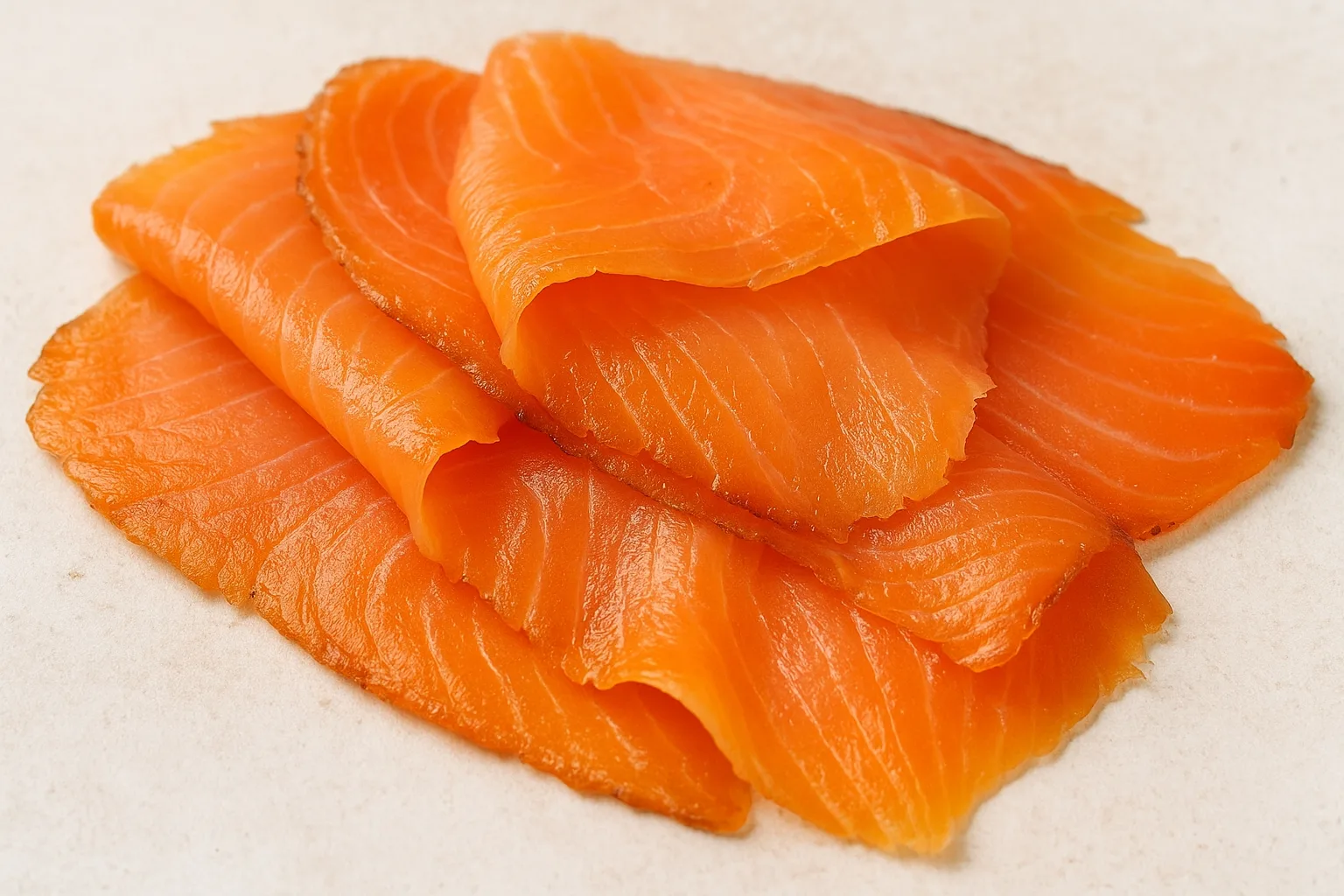
- Cold-smoked salmon (lox, gravlax, Nova): The fish is salt- or sugar-cured then smoked at low temperatures (typically about 70–90°F / 20–32°C). It is not cooked through, so it's effectively a ready-to-eat, uncooked product (1).
- Hot-smoked salmon: The fish is smoked at higher temperatures (commonly ≥145°F / 63°C), which cooks it through. The texture is firmer and flakier, similar to cooked salmon fillets.
The main safety difference is heat: hot-smoked and canned/pasteurized salmon are cooked and carry a lower risk of foodborne bacteria; cold-smoked and other cured-only products are not heated and are treated like undercooked/raw for pregnancy guidance.
Key Considerations
When choosing smoked salmon in pregnancy, focus on four practical issues.
- Listeria and foodborne bacteria
- Why it matters: Listeria can cause serious outcomes in pregnancy, so it's sensible to reduce exposure. Refrigerated ready-to-eat smoked fish has been associated with listeriosis outbreaks.
- Manage the risk: Reheating to steaming or choosing fully cooked products (hot-smoked, canned, or pasteurized) eliminates this risk. If you choose to eat cold-smoked, use the practical steps below to lower risk.
- Parasites and other pathogens
- Cold-smoked or raw preparations have a higher risk of carrying parasites; freezing at appropriate temperatures before serving reduces that risk. Hot smoking or full cooking kills parasites.
- Sodium content
- Smoked and cured fish are often high in sodium. Balance portions and pair with lower-sodium meals if you watch blood pressure or fluid retention.
- Environmental contaminants (mercury, PCBs)
- Salmon is low in mercury and is considered a "best choice" seafood for pregnancy. Follow public-health guidance of roughly 8–12 oz (227–340 g) of low-mercury seafood per week and rotate types of fish.
The recommendation is precautionary: Listeriosis is uncommon, but when it does occur in pregnancy, the consequences can be more serious (2).
Practical Ways to Enjoy Salmon Safely
You don't need to avoid salmon; choose safer forms and follow simple handling tips.
Cooking at home
- Preferred: Fresh or frozen fillets cooked to an internal temperature of 145°F (63°C) until opaque and flaking. Many prenatal sources recommend reheating ready-to-eat smoked salmon to 165°F (74°C) until steaming for extra assurance.
- Using refrigerated cold-smoked salmon: If you want to eat it, incorporate it into a hot dish (eggs, pasta bake, pizza, quiche) and heat until steaming. Heating eliminates Listeria and other heat-sensitive pathogens.
Canned and pasteurized options
- Canned salmon is cooked during processing and is low-risk. Shelf-stable smoked fish that is pasteurized or thermally processed is also lower risk.
Choosing ready-to-eat and restaurant options
- Opt for hot-served, cooked salmon dishes (grilled, baked, broiled, poached). If ordering smoked salmon at a deli or restaurant, ask whether it was hot-smoked, pasteurized, or reheated before serving.
If cold-smoked is your only option (a balanced recommendation)
- Nutrient point: Cold-smoked salmon provides protein, DHA, vitamin D, and other prenatal nutrients that are essential. If it's the only available source of high-quality fish in your diet, we support eating it rather than forgoing seafood entirely.
- Ways to reduce risk when eating cold-smoked salmon: buy from reputable suppliers, check "use by" dates, keep it cold until serving, consume promptly after opening, and avoid it if you have immune suppression or other high-risk conditions without first checking with your provider. When possible, heat it before eating. Discuss personal risk with your prenatal clinician.
Portion guidance
- Aim for at least 12 oz (340 g) of low-mercury seafood per week, which can include salmon varieties. Most people are not eating enough fish in pregnancy.
Practical tips summary
- Read labels for "hot-smoked," "fully cooked," "pasteurized," or "shelf-stable."
- Store seafood at ≤40°F (4°C) and follow "use by" dates.
- Reheat leftovers to steaming if they were refrigerated ready-to-eat items.
- Rotate seafood choices (e.g., trout, sardines, canned salmon) to diversify nutrients and reduce any potential contaminant buildup.
When to Check with Your Clinician
Contact your healthcare provider if you develop fever, severe muscle aches, persistent vomiting/diarrhea, abdominal pain, or decreased fetal movement after eating refrigerated smoked seafood—these could be signs of foodborne illness. If you are immunocompromised or have a history of listeriosis, get individualized advice about smoked and ready-to-eat foods.
Balanced Recommendations
- Best choices: hot-smoked, canned, or freshly cooked fillets.
- If you only have access to cold-smoked salmon: it can still be included for its nutrient benefits—buy from trustworthy sources, keep it properly chilled, eat it soon after opening, and heat it when feasible. Discuss your individual risk with your prenatal clinician if you have health concerns.
Gentle medical disclaimer: This information is educational and not a substitute for individualized medical advice. For personal recommendations (especially if you have specific health conditions), consult your prenatal clinician or a registered prenatal nutrition professional.
Frequently Asked Questions
Can pregnant people eat smoked salmon?
Yes—choose hot-smoked, canned, or pasteurized salmon when possible. If you eat cold-smoked salmon, follow the safety steps above and consider reheating.
What's the difference between cold- and hot-smoked salmon?
Cold-smoked is cured and smoked at low temperatures and is not cooked through; hot-smoked is smoked at higher temperatures and is cooked.
Why is salmon good during pregnancy?
It supplies DHA (quality fat), protein, vitamin D, selenium, and iodine—nutrients that support fetal brain development, growth, and maternal health.
How much salmon should I eat per week?
Aim for at least 12 oz (340 g) of low-mercury seafood per week.
Is smoked salmon high in sodium?
Often yes—balance smoked salmon with lower-sodium meals and limit frequency if you're watching blood pressure or swelling.
Ryann Kipping
Licensed Dietitian & Founder of The Prenatal Nutrition Library
Prenatal dietitian with a Master's in Public Health and author of The Feel-Good Pregnancy Cookbook. Founder of The Prenatal Nutrition Library App.

Make pregnancy nutrition simple.
Get custom meal plans, 600+ dietitian-approved recipes, and our "Can I eat…?" search—plus, trimester-by-trimester nutrition priorities and more.