Papaya Enzymes During Pregnancy: Safety, Risks, Alternatives
If you've searched for papaya enzymes during pregnancy, you're likely looking for safe ways to ease digestion or heartburn. Papaya contains proteolytic enzymes, most notably papain, that break down proteins and are used in some digestive supplements and traditional remedies.
Pregnancy changes your digestion: hormones slow motility, you may experience more bloating, constipation, or reflux, and you want options that are evidence‑based and low risk for you and your baby. This guide explains how papaya enzymes work, what we know about safety, and safer alternatives you can discuss with your clinician.
What Are Papaya Enzymes (Papain) And How Do They Work?
Papaya enzymes refer primarily to papain, a proteolytic (protein‑breaking) enzyme found in papaya latex, especially abundant in unripe (green) fruit. Papain hydrolyzes proteins into smaller peptides and amino acids, which can help with the digestion of protein‑rich meals. Historically, papain has been used as a meat tenderizer and in some digestive enzyme formulas.
When you eat food, your body releases its own digestive enzymes: amylases, proteases (like pepsin and trypsin), and lipases. Papain acts similarly to these proteases but is plant‑derived.
- In its ripe form, papaya has much lower papain levels than green papaya and also provides fiber, vitamins, and antioxidants that support bowel regularity and overall nutrition.
- In supplement form, papain is concentrated and may produce stronger enzymatic activity than the fruit alone.
How Papaya Enzymes Might Affect Pregnancy: Potential Benefits For Digestion And Heartburn
You may be considering papaya enzymes to ease digestion during pregnancy or to reduce gas and the "food sitting" feeling. Potential benefits include improved breakdown of dietary proteins and reduced bloating, as proteolytic activity helps food pass more efficiently through the gut.
Ripe papaya, eaten as a food, provides fiber and micronutrients that help with constipation and bowel regularity, common pregnancy complaints. Some clinicians and patients also report relief from indigestion with digestive enzyme blends containing proteases, outside of pregnancy, but pregnancy‑specific data is lacking.
Keep in mind that much of the safety and efficacy data come from non‑pregnant populations. Any consideration of papain or papaya enzyme supplements in pregnancy should be balanced against limited human data, and discussed with your prenatal care team.
Fresh Ripe Papaya Versus Papaya Enzyme Supplements: Composition, Safety, And Labels To Watch
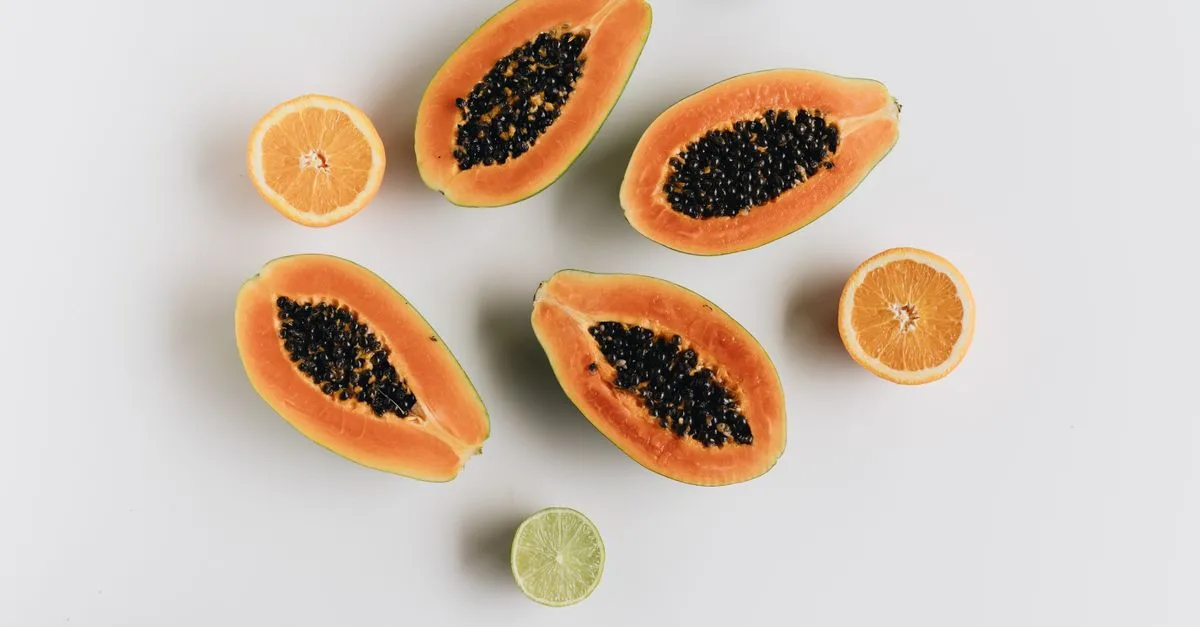
Ripe papaya (the sweet orange fruit) and papaya enzyme supplements are not the same. Ripe papaya contains low levels of latex and papain, plus fiber, vitamin C, folate, and potassium, nutrients useful in pregnancy when consumed as part of a balanced diet. For most people, normal food‑amounts of ripe papaya are considered safe.
Unripe (green) papaya contains higher amounts of papain and latex. Traditional remedies and some supplements extract papain from unripe fruit: those concentrated forms may have stronger biological effects. Labels that should raise caution include "papain," "papaya latex," "green papaya," "meat tenderizer," or high‑dose protease blends. Supplements may omit the source of enzymes: prefer products that clearly list "papain (from papaya latex)" if you and your clinician decide to evaluate risk.
Because supplements are less regulated than drugs, potency and purity vary. Third‑party testing is a reasonable quality indicator, but the absence of pregnancy-safety data remains the key issue.
Potential Risks, Side Effects, And The Evidence On Contractions Or Miscarriage
The primary safety concern with papaya enzymes in pregnancy centers on unripe papaya latex. Animal studies suggest that compounds in green papaya may stimulate uterine activity through prostaglandin release, calcium mobilization, and other smooth-muscle pathways.
However, there are no adequate human pregnancy studies evaluating whether eating unripe papaya or taking papain supplements increases the risk of contractions, miscarriage, or preterm labor. Because the clinical relevance of the animal findings is unknown, a precautionary approach is generally recommended for concentrated papaya latex and papain supplements during pregnancy.
Possible risks and side effects include:
- Uterine stimulation concerns with unripe papaya or concentrated papain extracts.
- Allergic reactions, particularly in people with latex allergy or cross‑reactivity to other tropical fruits.
- Gastrointestinal upset when doses are too high (gas, nausea, diarrhea).
- Potential interactions with clotting or blood sugar in high doses; data are sparse.
Given no human safety data, many professional sources list papain‑containing products as a group to avoid or use only with explicit medical approval during pregnancy. This cautious approach is reasonable because the potential for uterine effects, while not proven in humans, is biologically plausible.
Safer Alternatives For Managing Pregnancy Digestive Symptoms
If your goal is to relieve constipation, bloating, or heartburn during pregnancy, food‑first and lifestyle measures are preferred before considering concentrated enzymes.
Lifestyle strategies
- Eat small, frequent meals and avoid large late‑night meals.
- Avoid trigger foods (spicy, fatty, or acidic items) and don't lie down right after eating.
- Raise the head of the bed to reduce reflux.
- Stay active with safe pregnancy exercise to support motility.
Food and gentle remedies
- Ripe papaya eaten in normal serving sizes for its fiber and hydration effects.
- High‑fiber fruits: prunes, pears, kiwi, and berries
- Hydration, potassium (potatoes, bananas, dairy, if tolerated), and magnesium‑rich foods (beans, leafy greens, coconut water) to support regularity.
- Fennel, ginger, or peppermint tea (as tolerated) can help with digestive issues, an upset stomach, or difficulty digesting foods, but be careful with peppermint if you specifically have reflux, as it can relax the lower esophageal sphincter and make it worse.
Medication options and caution
- Antacids, H2 blockers, or proton pump inhibitors may be appropriate under your clinician's guidance, although we don't encourage them as a first-line option, since they work by reducing stomach acid, which is necessary to fend off potential germs and to aid nutrient absorption.
What To Use Instead of Papaya Enzymes During Pregnancy
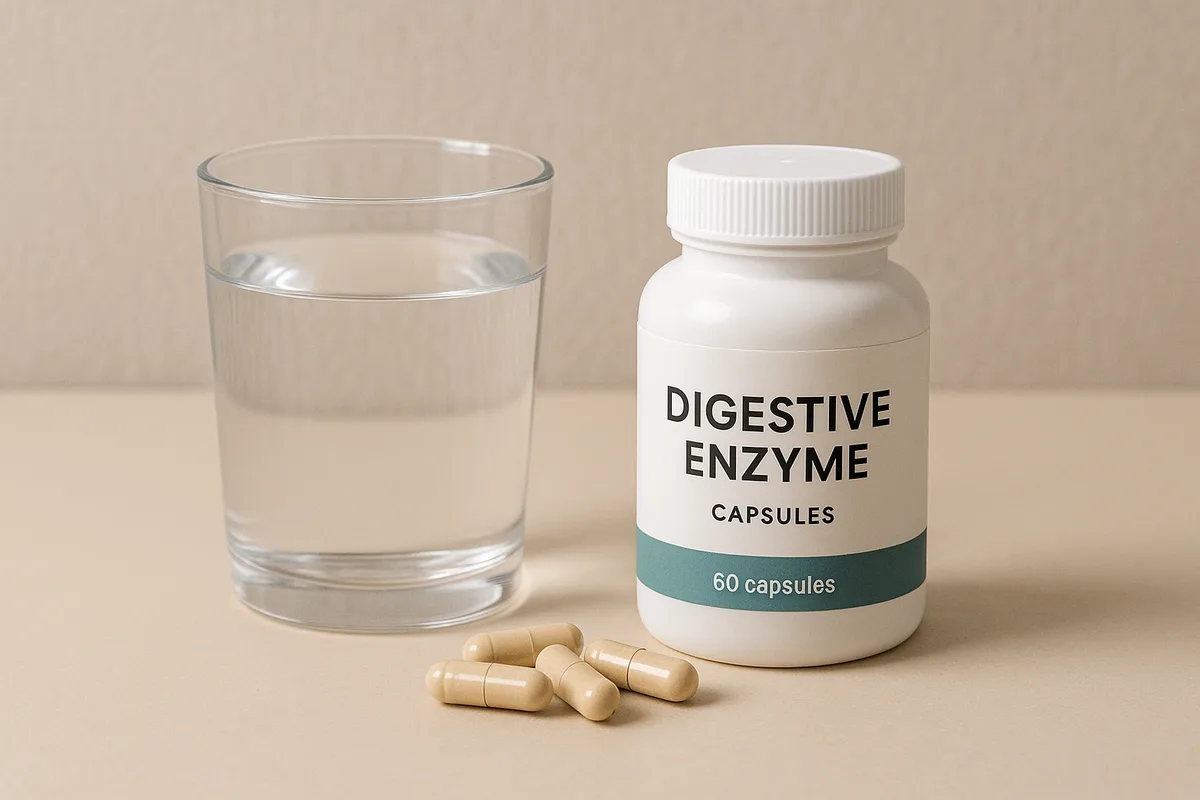
Luckily, there are other digestive enzymes on the market that do not include papain or bromelain. These digestive enzyme supplements contain enzymes naturally produced by the body: lipase, amylase, and proteases, and work just as well. These enzymes help break down fats, carbohydrates, and proteins and are available in different formulations and sources.
Key information to consider:
- Product details: note exact brand, dose, full ingredient list, which enzymes (lipase, amylase, proteases), and strengths; blend vs single enzyme.
- Source/form: microbial/fungal vs animal (porcine pancreatin) vs plant; avoid papain/papaya if pregnant.
- Pregnancy timing and safety: extra caution in early pregnancy; many OTC enzymes lack pregnancy safety data. Prescription pancrelipase is preferred if EPI is diagnosed.
- Allergies & preferences: latex/fruit allergy, pork/animal restrictions, fungal sensitivities, or vegan/vegetarian needs.
- Interactions & conditions: current meds (e.g., anticoagulants, diabetes drugs) and GI diagnoses (EPI, pancreatitis, SIBO, IBD) that affect suitability.
- Dosing/timing: take right before your meal and do not exceed the recommended daily dose.
- Alternatives: consider diet/lifestyle changes, fiber/stool softeners, or booking a call with our prenatal dietitians.
Our recommendation: Needed's Digestive Enzymes
Conclusion
Ripe papaya eaten as food in typical amounts generally appears safe in pregnancy and offers fiber and nutrients that can help digestion. But unripe papaya and concentrated papain supplements, especially those derived from papaya latex, pose a plausible risk of uterine contractions based on animal data.
Because high‑quality pregnancy safety data are lacking, limit green papaya and avoid papain supplements unless your clinician advises otherwise. Focus first on food‑first approaches and evidence‑based options to manage digestive symptoms during pregnancy.
Frequently Asked Questions
What are papaya enzymes, and how do they work in digestion during pregnancy?
Papaya enzymes, mainly papain, are proteolytic enzymes extracted from papaya latex, particularly unripe papaya latex. They help break down proteins into smaller peptides and amino acids, potentially improving digestion and reducing bloating in pregnancy.
Is it safe to consume ripe papaya or papaya enzyme supplements while pregnant?
Ripe papaya, eaten in normal portions, is considered safe during pregnancy and provides fiber and nutrients that support digestion. However, papaya enzyme supplements, especially from unripe papaya latex, lack sufficient safety data and may pose risks.
Why should unripe papaya and papain supplements be avoided during pregnancy?
Unripe papaya contains higher amounts of papain and latex that can stimulate uterine contractions, posing a risk of miscarriage or preterm labor. Papain supplements often come from unripe fruit and carry similar pregnancy concerns, so they are best avoided unless approved by a healthcare provider.
What are safer alternatives to papaya enzymes for managing digestive symptoms in pregnancy?
Safer options include lifestyle changes like eating small, frequent meals, avoiding trigger foods, staying active, and elevating the head of the bed. Dietary choices include ripe papaya, high-fiber fruits, adequate hydration, ginger and fennel tea, and digestive enzymes naturally found in the body.
Where can pregnant women look up the safety of certain foods and supplements?
Inside the Prenatal Nutrition Library app, there is a search function under the 'library' home tab where you can type in any food (i.e., papaya), supplement (i.e., digestive enzymes), or beverage (i.e., celery juice) and get trusted answers backed by real science, all from prenatal registered dietitians.

Ryann Kipping
Licensed Dietitian & Founder of The Prenatal Nutrition Library
Prenatal dietitian with a Master's in Public Health and author of The Feel-Good Pregnancy Cookbook. Founder of The Prenatal Nutrition Library App.

Make pregnancy nutrition simple.
Get custom meal plans, 600+ dietitian-approved recipes, and our "Can I eat…?" search—plus, trimester-by-trimester nutrition priorities and more.