Breastfeeding asks a lot of your body. You are healing from pregnancy and birth, adapting to sleep disruption, and making milk at the same time. That is real metabolic work, and your nutrition matters — not because you need a “perfect” diet, but because steady nourishment helps support recovery, energy, and milk production.
A strong lactation nutrition foundation is usually simple: eat enough, drink enough, and build meals around protein, carbohydrates, healthy fats, fiber, and color. Most breastfeeding parents do not need rigid rules or restrictive food lists. They need practical structure, realistic meal ideas, and a clear understanding of which nutrients deserve extra attention.
This guide walks through the changes that occur during lactation, how to build a balanced breastfeeding meal plan, and when to check in with a healthcare provider.
Medical Disclaimer
This is educational information, not a substitute for individualized medical care — especially if you have ongoing symptoms, concerns about milk supply, or signs of deficiency.
Why Nutrition Matters During Lactation
During lactation, your body is doing two jobs at once: supporting postpartum recovery and producing nutrient-rich milk. Even though breast milk is tightly regulated in many ways, your dietary intake and nutrient stores still matter. If intake is low, your body may draw on its own reserves to help meet demands. Over time, that can affect your energy, recovery, and nutritional status.
Good nutrition during breastfeeding helps support
- Milk production and day-to-day feeding demands.
- Tissue repair and healing after birth.
- Hormone function and blood sugar balance.
- Energy levels and mood support.
- Replenishment of nutrients used during pregnancy.
This is why lactation nutrition is not only about the baby. It is also about protecting your health while your body continues to do intensive work.
And no, what you eat does not instantly “go straight” to your baby in a simple one-to-one way. Your body makes breast milk from nutrients circulating in your bloodstream. That process is sophisticated. Still, regular meals and nutrient-dense foods can help you feel better supported physically and nutritionally.
The big picture: breastfeeding is a season of nourishment, not restriction.
How Calorie, Protein, And Fluid Needs Change While Breastfeeding
Breastfeeding raises your energy needs. For many people, that means roughly 300 to 500 extra calories per day, and during the first 6 months of full lactation, around 400 additional calories daily is a useful reference point. Exact needs vary based on body size, how often you feed or pump, activity level, and whether you are exclusively breastfeeding.
You do not need to count every calorie to eat well. A more practical approach is to:
- Eat every 3 to 4 hours.
- Respond to hunger cues.
- Include protein, carbs, and fat at meals and snacks.
Protein needs also increase during lactation. Protein supports healing, hormone production, immune function, and milk production. A simple strategy is to include a protein source with each meal and aim for about 30 grams at main meals when possible.
Fluid needs rise too, because milk production increases fluid loss. Plain water is great, but hydration can also come from milk, soups, herbal teas, and water-rich foods like melon, cucumber, tomato, and citrus.
A gentle note: thirst, dark urine, dizziness, or persistent fatigue can have multiple causes. If symptoms are significant or ongoing, check in with your healthcare provider rather than assuming it is “just dehydration.”
For a complete guide to Nutrition for Breastfeeding along with customized meal plans, join the app here.
The Most Important Nutrients For Breastfeeding Mothers
A balanced diet matters more than chasing one “superfood,” but a few nutrients deserve special attention during lactation.
Protein
Supports tissue repair, blood sugar stability, hormone function, and milk production. Good sources include eggs, poultry, fish, Greek yogurt, cottage cheese, beans, lentils, tofu, and lean meats.
Vitamin D
Supports bone health, immune function, and your baby’s vitamin D status. Food sources include salmon, sardines, egg yolks, and fortified dairy or fortified alternatives, though intake from food alone may be limited. You need to take a supplement or give your baby vitamin D drops.
Choline
Especially important for brain and nervous system development. Eggs are one of the richest sources, but choline is also found in beef, chicken, fish, dairy, soybeans, beans, and Brussels sprouts.
Iron and B Vitamins
Help with energy metabolism and postpartum recovery. Iron-rich foods include red meat, lentils, beans, spinach, and fortified cereals. Pair plant-based iron with vitamin C–rich foods to improve absorption.
Calcium
Supports bone health. Dairy foods, calcium-set tofu, salmon, chia seeds, fortified plant milks, and some greens can help meet needs.
Omega-3 Fats (especially DHA)
Support infant brain and eye development. Low-mercury fatty fish are among the best food-first sources, like sardines and herring.
If you suspect a deficiency or feel unusually weak, dizzy, or exhausted, ask your provider about lab testing. Nutrition can support recovery, but symptoms sometimes need medical evaluation.
Building A Balanced Breastfeeding Meal Plan
A practical breastfeeding meal plan does not need to be complicated. Start with enough food, then build meals around a few core parts:
- Protein: eggs, fish, poultry, yogurt, tofu, beans, lentils.
- Carbohydrates: oats, rice, potatoes, fruit, sourdough and whole grain bread, pasta.
- Healthy fats: olive oil, avocado, coconut, fatty fish, nuts, seeds, nut butters.
- Fiber and color: vegetables, fruit, beans, lentils.
- Choline-rich foods: eggs, meat, and edamame.
A simple daily rhythm might look like 3 meals plus 2 to 3 snacks. That spacing often works well in the early postpartum period, when hunger can show up quickly and meals get interrupted.
Try this plate formula
- 1 protein food
- 1 high-fiber carbohydrate
- 1 source of fat
- 1 fruit or vegetable
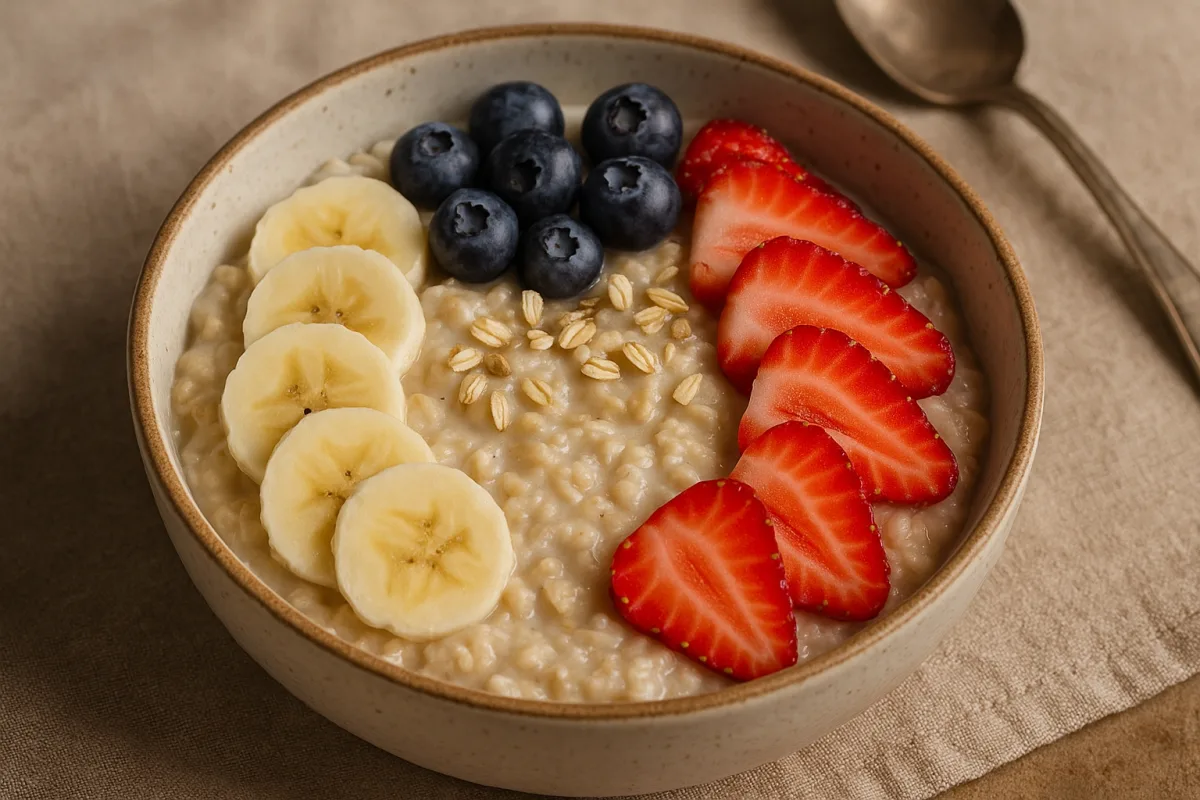
For example, oatmeal made with milk and topped with chia seeds, peanut butter, and berries is more supportive than plain oats. A turkey sandwich with avocado, fruit, and yogurt is a meal — not just something grabbed in passing.
Aim for variety over perfection. Repeating easy meals is fine. For many new parents, a small rotation of dependable foods is what makes a breastfeeding meal plan realistic.
Join the app, select your stage and dietary preferences to get a weekly meal plan, so you don’t have to keep thinking, “What should I eat this week?”
Simple Meal And Snack Ideas For Busy Postpartum Days
When you are feeding a baby, convenience matters. Food does not need to be elaborate to be nourishing.
Quick meal ideas
- Scrambled eggs, whole grain toast, and fruit.
- Greek yogurt bowl with oats, berries, and walnuts.
- Rice bowls with salmon, avocado, cucumber, and edamame.
- Bean and cheese quesadilla with salsa and greens.
- Cottage cheese, roasted potatoes, and sliced tomatoes.
- Lentil soup with bread and olive oil.
Easy snacks
- Apple with peanut butter.
- Hard-boiled eggs and an orange.
- Trail mix with nuts and dried fruit.
- Yogurt with berries and pumpkin seeds.
- Hummus with carrots, tomatoes, cucumbers, and pita.
- Cheese, fruit, and whole grain crackers.
Low-effort strategies that help a lot
- Keep ready-to-eat protein visible.
- Use frozen vegetables and fruit.
- Stock tuna packets, salmon pouches, or canned beans.
- Prep snack bins you can reach with one hand.
- Build “mini meals” if full meals are hard to finish.
On especially busy days, think in combinations: protein + carb + fat. That simple structure can steady energy better than eating random bites all day.
Hydration, Electrolytes, And What To Know About Milk Supply

Hydration matters during lactation, but more water is not automatically better. The goal is steady, adequate fluid intake, not forcing large amounts.
Helpful habits
- Carry a water bottle.
- Drink before or after feeds.
- Choose hydrating foods like melon, cucumber, oranges, and soups.
- Add flavor if plain water is hard to drink.
- Pay attention to urine color: darker urine can suggest you need more fluids.
Electrolytes like sodium, potassium, and magnesium also play a role in fluid balance. You can get them from foods such as dairy, beans, potatoes, bananas, leafy greens, nuts, seeds, and broth-based soups. Some people also like a simple homemade “mineral mocktail,” though this should complement food, not replace it. Try Needed Hydration support for an easy way to increase hydration and electrolyte intake.
Can hydration alone boost milk supply?
Usually, not dramatically. Adequate calories and fluids support overall lactation, but the main driver of supply is frequent and effective milk removal through breastfeeding or pumping.
If you notice a dip in supply, common factors include:
- Infrequent feeds or pumping sessions.
- Poor latch or ineffective milk transfer.
- Illness.
- Not eating enough.
- Dehydration.
- Certain medications.
- Hormonal shifts, including the menstrual cycle.
If supply concerns persist, a certified lactation consultant is often the most helpful next step.
When Baby’s Reactions May Be Linked To Maternal Diet
Many parents worry that a fussy baby means something in their diet is “wrong.” Sometimes there may be a connection, but often fussiness has other explanations — including feeding patterns, normal infant behavior, reflux, or illness.
Breast milk flavor does change based on what you eat, and that is not usually a problem. In fact, flavor variety may help babies accept a wider range of foods later.
Still, in some cases, a baby’s symptoms may warrant a closer look at maternal diet, especially if there is a consistent pattern along with symptoms such as:
- Blood or mucus in stool.
- Persistent eczema or rash.
- Frequent vomiting.
- Significant feeding discomfort.
- Poor growth or poor weight gain.
If you suspect a food intolerance or allergy, avoid making broad eliminations on your own if possible. Restrictive diets can make postpartum nutrition more challenging and may increase the risk of low intake. Instead, speak with your pediatrician, lactation consultant, or a registered dietitian familiar with infant feeding.
Ongoing baby symptoms need medical guidance. Nutrition can be part of the picture, but it should not replace evaluation when symptoms are persistent or concerning.
Supplements, Special Diets, And When Extra Support May Help
Food comes first, but supplements can sometimes help fill real gaps during lactation.
A common baseline recommendation is to continue a prenatal vitamin postpartum, especially while breastfeeding. Beyond that, needs vary based on your diet, lab results, and symptoms.
Supplements that may be considered with professional guidance
- Vitamin D — necessary for mom or baby when exclusively breastfeeding.
- Iron — if labs suggest a deficiency.
- Omega-3s — if you rarely eat fish.
- Protein powder — if meeting protein needs through food is difficult (see our safe protein powder guide inside the app).
- Magnesium — in some cases, for intake support.
- Electrolytes — if hydration is a challenge; most people will benefit.
- Probiotics — depending on diet and tolerance.
Special diets
Special diets may need extra planning. We do not recommend a vegan diet, and if you follow a vegetarian pattern, you still need to pay close attention to protein, iron, choline, vitamin B12, DHA, vitamin A, iodine, and vitamin D. If you are dairy-free, make sure calcium, iodine, and vitamin D are replaced intentionally.
Galactagogues
Galactagogues such as oatmeal, flax, fennel, fenugreek, lactation cookies, and special teas have mixed evidence supporting their use. Some families feel they help, but strong clinical evidence is limited. They may be reasonable foods to include, but they are not a substitute for adequate intake and effective milk removal.
If fatigued, hair loss, weakness, low appetite, or supply concerns are ongoing, individualized support may help.
Conclusion
The foundations of lactation nutrition are not about eating perfectly. They are about eating enough, staying hydrated, and returning to simple, nutrient-dense choices that support your recovery and your breastfeeding goals.
When To Seek Medical Advice
Contact your healthcare provider if you have:
- Persistent fatigue, weakness, or dizziness.
- Signs of mastitis or breast infection.
- Concerns about low milk supply that aren’t improving with basic strategies.
- Symptoms that suggest a nutrient deficiency.
- Concerning feeding symptoms or poor growth in your baby (reach out sooner).
For more personalized guidance, consider speaking with your healthcare provider, a certified lactation consultant, or booking a Quick Question Call with one of our registered prenatal nutrition professionals.
Frequently Asked Questions
How many extra calories do I need while breastfeeding?
For many people, breastfeeding adds roughly 300 to 500 extra calories per day, with around 400 additional calories daily often used as a reference point during the first 6 months of full lactation. Exact needs vary with body size, feeding or pumping frequency, activity level, and whether you are exclusively breastfeeding.
Does drinking more water increase milk supply?
Usually not dramatically. Adequate calories and fluids support overall lactation, but the main driver of supply is frequent and effective milk removal through breastfeeding or pumping. The goal is steady, adequate fluid intake rather than forcing large amounts of water.
Should I keep taking a prenatal vitamin while breastfeeding?
A common baseline recommendation is to continue a prenatal vitamin postpartum, especially while breastfeeding. Beyond that, additional supplement needs vary based on your diet, lab results, and symptoms, so individual guidance from your provider or a registered dietitian is helpful.
Do galactagogues like oatmeal, fenugreek, or lactation cookies actually boost milk supply?
Galactagogues such as oatmeal, flax, fennel, fenugreek, lactation cookies, and special teas have mixed evidence. Some families feel they help, but strong clinical evidence is limited. They can be reasonable foods to include, but they are not a substitute for adequate calories, hydration, and effective, frequent milk removal.
Can what I eat make my baby fussy or gassy?
Sometimes, but often fussiness has other explanations, including feeding patterns, normal infant behavior, reflux, or illness. Breast milk flavor does change based on diet, which is generally not a problem. If you see a consistent pattern of symptoms such as blood or mucus in stool, persistent rash, frequent vomiting, or poor growth, talk with your pediatrician, lactation consultant, or a registered dietitian before making broad diet eliminations.
How much protein should I aim for each day while breastfeeding?
A practical strategy is to include a protein source with each meal and aim for about 30 grams at main meals when possible. This supports tissue repair, blood sugar stability, hormone function, and milk production without requiring strict gram-by-gram tracking.

Ryann Kipping
Licensed Dietitian & Founder of The Prenatal Nutrition Library
Prenatal dietitian with a Master's in Public Health and author of The Feel-Good Pregnancy Cookbook. Founder of The Prenatal Nutrition Library App.