The postpartum period is a unique, nutrient-demanding phase. Whether you gave birth vaginally or by cesarean, whether you're breastfeeding or formula feeding, your body is prioritizing healing, recovery, and, if applicable, milk production.
A practical, food-first postpartum meal plan can speed tissue repair, replenish stores lost in pregnancy and birth, support mood and energy, and help maintain a healthy milk supply.
This 6-week guide focuses on foundations you can actually manage: hydration, balanced meals, key micronutrients, smart snacks, and simple meal-prep habits. You'll get clear, evidence-based strategies you can adapt to your appetite, schedule, and cultural food preferences, so you feel supported, not stressed, during recovery.
Medical Disclaimer
As always, this is educational information, not individualized medical care.
Why Nutrition Matters In The Postpartum Period
Nutrition in the weeks after birth matters because your body is actively repairing tissues, restoring blood and nutrient stores, and, if you're lactating, making milk. These processes increase energy and nutrient needs compared with the pre-pregnancy baseline.
Thoughtful eating supports wound healing, immune function, mood regulation, and cognitive clarity, and it reduces the likelihood of fatigue and nutrient deficiencies that can complicate recovery.
What to focus on first
- Eat enough overall: Undereating can slow healing and reduce milk supply for some people.
- Prioritize protein and iron-rich foods to support tissue repair and replenish blood loss.
- Include a variety of produce for vitamins, minerals, and fiber to support digestion and mood.
- Aim to eat every 3 hours when possible, or by your hunger, to stabilize energy and blood sugar.
Why a food-first approach
Supplements have a role when labs or diet indicate gaps, but whole foods provide cofactors and calories essential for recovery. Foods also aid satiety and mood: for example, meals containing protein, fiber, and fat help you feel fuller longer and reduce mid-day energy crashes.
Postpartum is a time to restore, not restrict. Small, consistent nutrition habits matter more than perfect daily macros.
Calorie Needs And Macronutrient Targets For Recovery And Breastfeeding
Calorie needs after birth vary widely. Factors that influence your needs include body size, activity level, breastfeeding status, sleep, and the return of your appetite.
Instead of strict calorie counting, use food and hunger cues: eat when you're hungry, include satisfying meals and snacks, and prioritize nutrient-dense choices most days.
General guidelines (food-first, simplified)
- Meals: Aim for 3 main meals and 1–3 snacks per day, depending on how filling your main meals are.
- Plate model: About ½ vegetables, ¼ protein, ¼ fiber-rich carbohydrates. Add at least 2 tbsp of quality fats.
- Protein targets: Aim toward ~100 g per day as a starting point, with at least 30 g per main meal. Include protein in snacks, too.
- Carbohydrates: Prioritize whole grains, starchy vegetables, legumes, and fruit for energy and glycogen restoration — they also support milk volume.
- Fats: Include olive oil, avocado, nuts, seeds, fatty fish, and full-fat dairy daily. Omega-3 fats (EPA/DHA) support mood and infant neurodevelopment — aim for fatty fish 2–3 times per week, or consider a supplement.
Listening to your body is key. If you're breastfeeding and very hungry, increase nourishing, calorie- and nutrient-dense foods rather than restrictive items.
If you have weight-related goals, discuss them with a clinician who understands postpartum recovery and lactation. Generally, it is not advised to start intentional weight loss efforts until after 3 months postpartum.
Essential Micronutrients To Prioritize
Certain micronutrients are commonly strained by pregnancy, blood loss at delivery, and lactation. Prioritizing these through food — and testing when indicated — helps replenish stores and support recovery.
Iron
Iron is central to energy, cognitive function, and mood. Blood loss during delivery can deplete iron and lead to anemia.
Food sources:
- Red meat, poultry, fish
- Lentils, beans, tofu
- Fortified cereals, dark leafy greens
Pair iron-rich plant foods with vitamin C (citrus, bell peppers, strawberries) to boost absorption.
When to test: If you experience heavy bleeding, feel unusually fatigued or dizzy, or have pale skin or weakness, ask your provider about a hemoglobin and ferritin check. Supplement only if labs show low levels. Iron supplements should be guided by testing and clinical advice.
Choline
Choline supports infant brain and nervous system development, as well as maternal liver function. Many people still don't get enough of it.
Food sources: Eggs are among the best sources. Other options include meat, fish, dairy, and some legumes.
Vitamin D
Vitamin D supports immune function, bone health, and overall recovery — and remains especially important during breastfeeding.
Food sources: Fatty fish, egg yolks, and fortified dairy or plant milks. Because it is difficult to meet needs through food alone, testing and supplementation are often worth discussing with your provider.
Breastfeeding note: If you're breastfeeding, vitamin D still matters. Either mom needs to be taking an appropriate vitamin D supplement, or baby needs vitamin D drops, since breast milk alone typically does not provide enough vitamin D to meet infant needs.
Vitamin B12
B12 supports neurological function and energy. Low B12 is a risk for people following restrictive vegetarian diets.
Food sources: Animal products such as eggs, dairy, meat, and fish. Vegetarians and vegans should have B12 levels tested and ensure their prenatal contains sufficient B12.
Iodine
Iodine supports thyroid function and infant neurodevelopment. Breastfeeding increases iodine needs.
Food sources: Iodized salt, dairy, seafood, and seaweed. Use seaweed cautiously because iodine content can vary widely. Avoid high, inconsistent doses.
Zinc
Zinc supports wound healing and immune function. While necessary for recovery, research shows zinc intake is generally not significantly reflected in breast milk.
Food sources: Meat, seafood (especially oysters), dairy, legumes, nuts, and seeds.
Gentle reminder: Lab testing and individualized supplement dosing are important if you suspect a deficiency. Don't self-prescribe high-dose micronutrients without medical oversight. If you're deficient, consider booking a nutrition consultation.
Hydration, Caffeine, Alcohol & Supplements While Breastfeeding
Hydration
Fluid needs increase after birth, especially if you're breastfeeding. Dehydration can worsen fatigue and make milk expression feel more difficult.
- Drink when you're thirsty and keep a water bottle within reach — sip during or after feeds.
- Use fluid-rich foods (cucumber, watermelon, soups) to add hydration.
- Add minerals, like coconut water or an electrolyte powder.
- Pay attention to urine color: pale yellow is generally adequate; darker suggests you need more fluids.
Caffeine
Moderate caffeine intake is compatible with breastfeeding for most people. Aim for about 150–300 mg/day (roughly 1–2 cups of brewed coffee), and avoid large amounts near planned feeds if your baby seems sensitive. High caffeine intakes may affect sleep and anxiety. Decaf is a reasonable middle ground.
Alcohol
Alcohol isn't necessary for recovery and provides no health benefit. If you choose to drink, waiting approximately two hours per standard drink before breastfeeding reduces alcohol concentration in milk. "Pumping and dumping" isn't necessary — breast milk alcohol content mirrors your blood alcohol level and diminishes as your BAC falls.
Safe supplement use while breastfeeding
- Continue your prenatal vitamin unless your provider advises otherwise.
- Consider iron, vitamin D, or omega-3 supplements based on labs and diet. If you don't eat fish, an EPA/DHA supplement is appropriate.
- Be cautious with herbal supplements — many lack robust safety data during lactation.
Discuss any supplements, medications, or herbals with your healthcare provider or lactation consultant to confirm safety for you and your baby.
7-Day Postpartum Meal Plan
This 7-day postpartum meal plan is designed to be balanced, realistic, and easy to repeat. Adjust portions based on your appetite, activity level, and individual needs.
My Daily Meal Plan
Postpartum Recovery
Tuesday, April 14
Folate-Rich Oats Bowl
Meal Prep BBQ Beef Skillet
Balanced Bites Snack Pack
Rainbow Lentil Tacos
Dark Chocolate Liver Bark
Practical Meal-Planning & Prep Strategies For The First 6 Weeks
The early postpartum weeks are often unpredictable. Planning realistic, flexible meal strategies will reduce decision fatigue and help you meet nutritional priorities.
Core strategies for weeks 0–6
- Prioritize simplicity: Choose recipes with 5–8 ingredients and repeat favorites.
- Batch cook: Large pots of soups, stews, casseroles, or grain bowls reheat well.
- Use ready-to-eat foods: Rotisserie chicken, canned beans, pre-washed greens, frozen vegetables, Greek yogurt, and canned fish.
- Build a feed-time snack station: Keep portable protein-rich snacks near where you sit to nurse or bottle-feed.
- Accept help: If someone offers meals, give them a grocery list or suggest simple, nutrient-dense options.
- Be flexible with timing: Eat when you can — small, satisfying meals beat skipping.
Meal rhythm by week
- Week 0–2: Focus on recovery and easy-to-eat foods (soft proteins, soups, cooked vegetables). Keep meals small and frequent.
- Week 3–4: Add more variety — salads with cooked toppings, grain bowls, and more substantial snacks.
- Week 5–6: Reintroduce more complex meals if you feel ready, but keep the convenience strategies that worked.
Kitchen tips
- Freeze individual portions for quick reheat.
- Pre-chop vegetables and store them ready to sauté or steam.
- Make smoothie packs (fruit + greens + protein powder) for quick blending.
- Label containers with date and contents to rotate foods safely.
Make-Ahead Staples, Batch Cooking & Time-Saving Grocery List
Make-ahead staples for postpartum recovery
- Bone broth or savory soups — rich in flavor, easy to sip during low appetite.
- Cooked grains — quinoa, brown rice, barley; keep 4–5 days refrigerated.
- Roasted vegetables — a tray of mixed roots and greens to add to meals quickly.
- Shredded cooked proteins — rotisserie chicken, slow-cooked beef, or canned salmon.
- Hard-boiled eggs — ready protein for snacks or breakfast.
- Smoothie freezer packs — fruit and spinach in bags for quick blending.
- Legume jars — cooked lentils or beans for salads, soups, or wraps.
Batch-cooking ideas
- One-pot stews and chilis: 6–8 servings, freeze individual portions.
- Baked casseroles: Combine vegetables, protein, and grains, then bake and portion.
- Energy balls or bars: Oats, nut butter, seeds, and dried fruit pressed into portable snacks.
Time-saving grocery list
Proteins
Eggs, Greek yogurt, canned salmon/tuna, rotisserie chicken, ground meat, lentils
Grains & starches
Quinoa, brown rice, oats, whole-grain bread, sweet potatoes
Produce
Spinach, mixed greens, broccoli, bell peppers, carrots, apples, berries, avocado
Fats & extras
Olive oil, nuts, seeds, nut butters, coconut milk
Convenient staples
Canned beans, bone broth, hummus, frozen vegetables, frozen fruit, milk or fortified plant milk
Use this as a starting point and adapt based on cultural preferences, seasonal produce, and budget. If someone offers to help grocery shop, share this list.
Special Considerations: C-Section Recovery, Formula Feeding, Food Sensitivities & Postpartum Mood
C-Section recovery
After cesarean birth, prioritize protein and fiber to support wound healing and bowel function. Small, frequent meals and adequate fluids help prevent constipation. Include iron-rich foods if blood loss occurred, and discuss pain medication effects on appetite with your provider.
- Soft, protein-rich foods (soups with beans, shredded chicken) are easier when appetite is low.
- Use stool-softening strategies advised by your clinician: fiber, fluids, and gentle movement when cleared.
Join TPNL for our full C-section prep and recovery guide so you can prepare with confidence and recover with ease.
Food sensitivities and allergies
If you or your baby shows signs of food sensitivity (consistent gastrointestinal distress, rash, or suspected allergic reactions tied to a specific food), discuss this with your pediatrician or allergy specialist before making broad dietary eliminations. Unnecessary restriction can lower your nutrient intake; if elimination is needed, plan substitutes to maintain nutrient balance.
Postpartum mood
Regular meals, omega-3 fats, adequate vitamin D, B vitamins, magnesium, and iron (if low) can support mood. Nutrition is only one piece; social support, sleep, and mental health care are essential too.
When mood concerns arise: If you experience persistent sadness, overwhelming anxiety, or thoughts of harming yourself or your baby, seek immediate professional help. Nutrition is supportive but not a substitute for mental health treatment.
Medical reminder: For surgical recovery, allergic reactions, or mood disorders, consult your healthcare team for individualized medical care and testing as needed.
Frequently Asked Questions
Do I need extra calories while breastfeeding?
Many lactating people need additional calories compared with pre-pregnancy; how many depends on your body size, activity level, and breastfeeding frequency. This is not a time for restriction or cutting carbs.
Should I take my prenatal vitamin after delivery?
Continuing your prenatal vitamin is recommended postpartum for most people, particularly if you’re breastfeeding. Discuss long-term needs with your clinician and use lab testing to guide additional supplements like iron or vitamin D.
Is it safe to have caffeine or alcohol while breastfeeding?
Moderate caffeine (about 1–2 cups of coffee per day) is generally compatible with breastfeeding for most people. If you drink alcohol, waiting roughly 2 hours per standard drink before feeding reduces alcohol levels in milk. Discuss any concerns with your provider.
How soon after a C-section can I eat normal foods?
You can often resume a normal diet as tolerated after a C-section, starting with bland, easy-to-digest foods if your appetite is low. Prioritize protein, liquids, and fiber; follow your surgical team’s instructions for activity and bowel care.
Can nutrition prevent postpartum mood disorders?
Good nutrition supports overall well-being and can be one helpful factor, but it does not prevent or treat mood disorders alone. Seek professional mental health care if you experience persistent or severe mood symptoms.
Conclusion
Postpartum nutrition is about recovering, replenishing nutrients, and supporting your changing needs, especially if you're breastfeeding. Focus on regular meals and snacks built from protein, fiber, quality fats, and colorful produce.
Prioritize hydration and key micronutrients (iron, vitamin D, B12, iodine, calcium, zinc), and use lab testing to guide supplement use. Keep meal prep simple: batch-cook, use convenience staples, and accept help.
Small, sustainable habits over 6 weeks add up — prioritize recovery over restriction, and reach out for professional guidance when symptoms or lab results raise concerns.
When To Seek Medical Advice
Talk with your provider or a registered prenatal nutrition specialist if you:
- Experience extreme fatigue, shortness of breath, or lightheadedness (possible anemia).
- Have wound issues, fever, or signs of infection after a C-section or perineal tear.
- Notice severe or persistent mood symptoms, anxiety, or thoughts of harming yourself or your baby.
- Have concerns about milk supply that aren't improving with basic strategies.
- Suspect a nutrient deficiency or have chronic digestive problems — request appropriate labs (iron, ferritin, vitamin D, B12, thyroid tests).
If you'd like personalized help, consult your healthcare provider, a lactation consultant, or a registered prenatal nutrition specialist. A short nutrition visit can clarify lab needs, tailor a meal plan, and reduce decision fatigue during recovery.
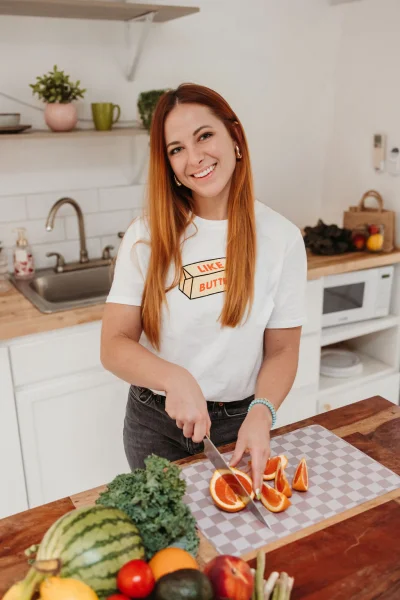
Ryann Kipping
Licensed Dietitian & Founder of The Prenatal Nutrition Library
Prenatal dietitian with a Master's in Public Health and author of The Feel-Good Pregnancy Cookbook. Founder of The Prenatal Nutrition Library App.