Kombucha While Pregnant: Safety, Risks, and Better Alternatives
Kombucha has moved from a niche health-food drink to a supermarket staple. If you enjoyed its fizzy, tart flavor before pregnancy, you may wonder whether it still fits your routine. The answer is not a simple yes or no.
Kombucha can contain trace alcohol, caffeine, added sugar, and live microorganisms, while commercial and homemade products differ considerably. This guide explains the main concerns, so you can make a cautious, informed choice for your pregnancy.
Is Kombucha Safe During Pregnancy?
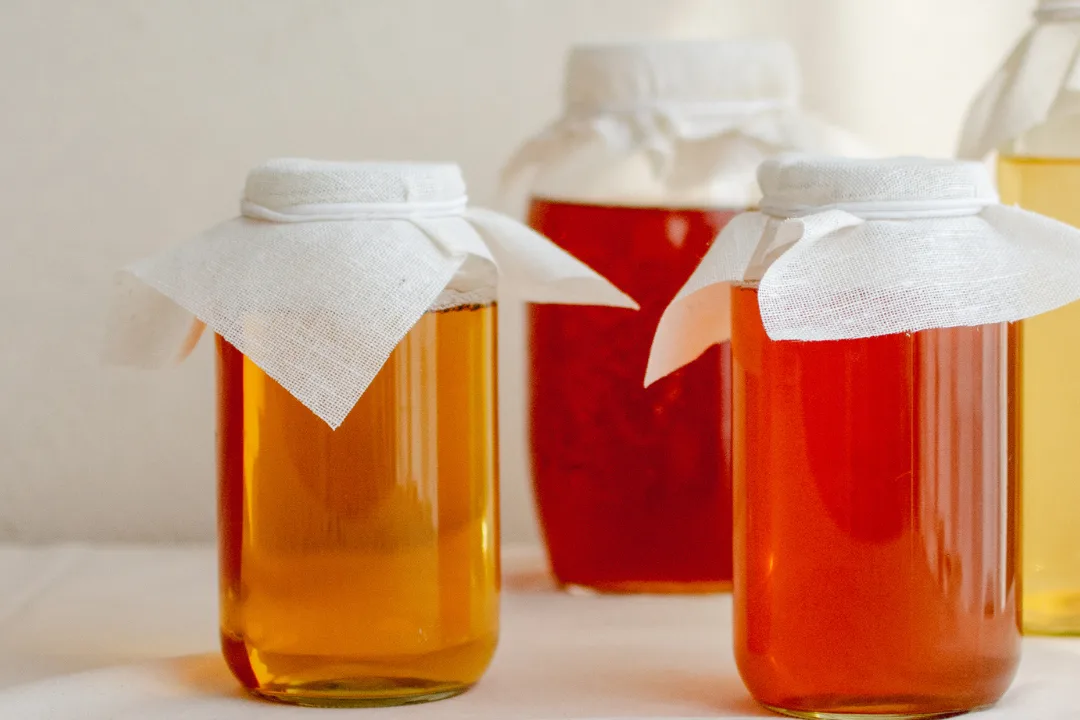
Kombucha is a fermented tea made by adding a SCOBY, a symbiotic culture of bacteria and yeast, to sweetened black or green tea. During fermentation, the culture produces carbon dioxide, organic acids, and small amounts of alcohol. The finished drink is usually tart, lightly sweet, and naturally fizzy.
During pregnancy, kombucha sits in a gray area.
There is limited pregnancy-specific research, and no large studies establish that drinking kombucha is either completely safe or harmful. The product itself also varies: alcohol content, caffeine, acidity, sugar, pasteurization, and food-safety controls differ by brand and batch.
A cautious approach is reasonable. Public-health guidance advises avoiding alcohol during pregnancy and choosing pasteurized foods and drinks when possible. For that reason, some healthcare professionals recommend avoiding kombucha altogether. Others consider a small amount of a reputable, commercially produced product a low-risk personal choice, as long as you understand the limitations.
Kombucha is not a nutritional requirement. You can also get its possible probiotic benefits from foods with a longer history of use during pregnancy, including yogurt, kefir, and properly prepared fermented vegetables. If you choose kombucha while pregnant, occasional small portions are safer than drinking it daily or consuming a full bottle at once.
How Fermentation Affects Kombucha’s Safety
Fermentation is central to kombucha's flavor and composition. Yeast breaks down sugar and produces alcohol and carbon dioxide, while bacteria convert some of that alcohol into organic acids. The process typically lasts about 7–14 days, although timing and temperature vary.
Fermentation may support live microorganisms, but "fermented" does not automatically mean safe for pregnancy. It also creates variables. A drink may continue fermenting during storage, particularly if it is not kept properly refrigerated. Alcohol levels can change, and sanitation problems can allow unwanted bacteria or mold to grow.
Commercial manufacturers generally use controlled recipes, testing, packaging, and refrigeration instructions. These controls do not eliminate every food-safety risk, but they make the product more predictable than a home-brewed batch. Check the label for the serving size, alcohol statement, storage directions, caffeine information, and sugar content.
The potential gut-health benefit also deserves perspective. Kombucha may contain live cultures, but the number and types of microorganisms vary by product. Conclusive evidence does not support claims that kombucha improves immunity, treats diabetes, causes weight loss, or cures digestive problems. Think of it as an optional beverage, not a treatment or essential source of probiotics.
Alcohol, Caffeine, And Acidity In Kombucha
Alcohol content
Because kombucha is fermented, it can contain alcohol even when marketed as nonalcoholic. In the United States, beverages containing less than 0.5% alcohol by volume may be labeled nonalcoholic, but the amount can vary. Home-brewed kombucha is particularly unpredictable, and a second fermentation can increase alcohol levels.
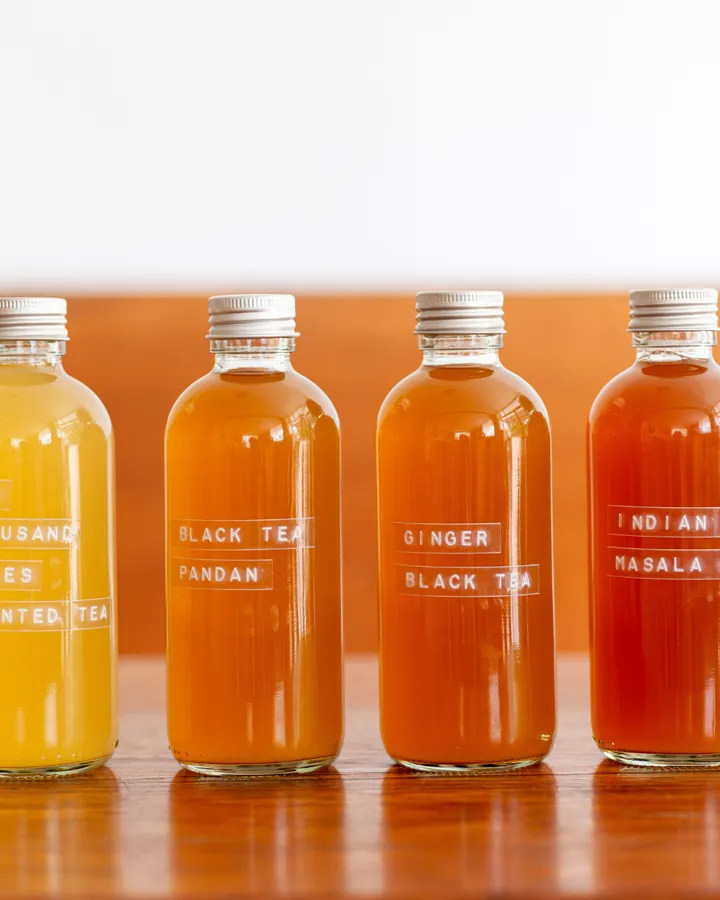
Pregnancy guidance from major public-health organizations states that no amount of alcohol has been established as safe during pregnancy. Hence, the most cautious option is to avoid kombucha. If you decide to drink it occasionally, choose a commercially produced product clearly labeled nonalcoholic and avoid homemade versions.
Caffeine content
Kombucha made with black or green tea contains caffeine. Fermentation may reduce some caffeine, but it does not remove it completely. An 8-ounce (240-milliliter) serving often contains roughly 10–25 milligrams, although the amount depends on the tea, brewing method, and brand.
Count this toward the recommended pregnancy limit of no more than 200 milligrams of caffeine per day from all sources, including coffee, tea, chocolate, energy drinks, and some medications.
Acidity and digestive symptoms
Kombucha is acidic, often with a pH around 2.5–3.5, and carbonation can increase bloating or belching. If you already have pregnancy-related heartburn, reflux, nausea, irritable bowel symptoms, or a sensitive stomach, kombucha may make you feel worse. No reliable evidence shows its acidity treats reflux. Stop drinking it if it triggers symptoms and discuss persistent or severe symptoms with your healthcare provider.
Pregnant and constantly Googling what's safe to eat? Skip the endless searching. The TPNL app lets you quickly look up foods, drinks, ingredients, and supplements, with safety information written and reviewed by prenatal registered dietitians.
👉 Try our Pregnancy Food Safety Lookup FREE!
Why Homemade And Unpasteurized Kombucha Require Extra Caution
Homemade kombucha is harder to evaluate during pregnancy because its alcohol level, acidity, and microbial content are not routinely tested. Small differences in ingredients, brewing time, temperature, equipment, and storage can change the final drink. Contamination with harmful bacteria or mold is also possible if preparation surfaces, containers, or the SCOBY are not handled safely.
Many commercial kombucha are unpasteurized because heat treatment can destroy live cultures. But unpasteurized beverages may carry a greater foodborne-illness risk than pasteurized alternatives. Pregnancy changes immune function, and infections that cause mild illness in one person can be more serious during pregnancy. General food-safety guidance hence recommends caution with unpasteurized products.
Commercial processing and refrigeration reduce risk but do not guarantee safety. Follow the label's storage instructions, check that packaging is intact, and avoid products that smell unusually putrid, show visible mold, or have been left unrefrigerated when refrigeration is required.
For these reasons, avoiding homemade kombucha during pregnancy is the clearest choice. If you have already consumed some, try not to panic. A single exposure does not automatically mean a problem, but contact your healthcare provider promptly if you develop fever, persistent vomiting or diarrhea, severe abdominal pain, or other concerning symptoms. This information is educational and cannot replace individualized medical advice.
Safer Ways To Choose Probiotics During Pregnancy
If you want to support your gut health, you have options that do not involve kombucha's uncertain alcohol content or home-fermentation risks. Food-first choices include:
Yogurt: Choose pasteurized yogurt with live and active cultures. Plain Greek yogurt also provides protein: add fruit, oats, or nuts for flavor and fiber.
Kefir: Select a pasteurized, refrigerated product. It offers live cultures and can be blended into a smoothie.
Sauerkraut and kimchi: Choose commercially prepared products and follow storage instructions. If you are buying an unpasteurized version, ask your healthcare provider whether it is appropriate for you.
Tempeh and miso: These fermented foods can add variety, but use pasteurized or properly cooked products when pregnancy food-safety guidance recommends them.
Fiber-rich foods: Beans, lentils, vegetables, fruit, oats, and whole grains support regular bowel movements and a healthy gut microbiome. Although many of these provide prebiotics, not probiotics.
Wondering about safety of probiotic supplements? Check out the probiotics guide in the app. Download it here for free!
No single food guarantees better digestion, and probiotic effects vary by strain and person. If constipation, diarrhea, pain, or bloating persists, seek professional advice rather than relying on kombucha or another fermented food as a remedy. A registered prenatal nutrition professional can help you build a balanced plan around your symptoms, preferences, and medical history.
Making A Cautious Choice About Kombucha
Kombucha while pregnant is not an essential health food, and its safety is difficult to confirm because products differ. The safest choice is to avoid it, especially homemade versions. If you occasionally choose a commercial product, keep the portion small (about 4 ounces/120 milliliters), choose a verified nonalcoholic option, check the caffeine content, and review the sugar and storage requirements.
When to Seek Medical Advice
Contact your midwife, obstetrician, or healthcare provider if you develop fever, persistent vomiting or diarrhea, severe abdominal pain, or signs of dehydration after drinking kombucha. Ask for individualized guidance if you have a high-risk pregnancy, significant reflux, immune concerns, or questions about a past exposure.
For trustworthy, personalized advice, discuss your beverage choices with your healthcare provider or a registered prenatal nutrition professional.
Frequently Asked Questions
Is kombucha safe to drink during pregnancy?
Kombucha safety during pregnancy is uncertain because its alcohol, caffeine, and microbial content can vary. Most experts recommend avoiding it, especially homemade versions, but occasional small amounts of commercial, nonalcoholic kombucha may be considered low-risk.
Why is homemade kombucha riskier for pregnant women than store-bought?
Homemade kombucha can have unpredictable alcohol levels and microbial contamination because it lacks commercial quality controls. This increases the risk of harmful bacteria or mold, making it unsafe during pregnancy compared to commercially produced kombucha with regulated fermentation and testing.
How much caffeine does kombucha contain, and does it affect pregnancy caffeine limits?
Kombucha contains about 10–25 mg of caffeine per 8-ounce serving, which counts toward the recommended pregnancy limit of 200 mg per day. Pregnant women should consider this amount of caffeine when including kombucha in their diet.
Can kombucha's acidity cause pregnancy-related digestive issues?
Yes, kombucha is acidic (pH 2.5–3.5) and carbonated, which can worsen pregnancy symptoms like heartburn, acid reflux, nausea, and bloating. Pregnant women experiencing these should avoid kombucha to prevent worsening discomfort.
What are safer probiotic alternatives to kombucha during pregnancy?
Pregnant women can safely support gut health with pasteurized yogurt, kefir, and commercially prepared fermented vegetables like sauerkraut. These options provide beneficial probiotics without the alcohol, caffeine, and contamination risks of kombucha.
What should I do if I experience symptoms after drinking kombucha while pregnant?
If you develop fever, persistent vomiting or diarrhea, severe abdominal pain, or signs of dehydration after drinking kombucha, contact your healthcare provider immediately for advice and care.

Ryann Kipping
Licensed Dietitian & Founder of The Prenatal Nutrition Library
Prenatal dietitian with a Master's in Public Health and author of The Feel-Good Pregnancy Cookbook. Founder of The Prenatal Nutrition Library App.

Make pregnancy nutrition simple.
Get custom meal plans, 600+ dietitian-approved recipes, and our "Can I eat…?" search—plus, trimester-by-trimester nutrition priorities and more.