Goji Berries In Pregnancy: Safety, Benefits, Risks, and Safer Alternatives
Goji berries have a healthy reputation. They show up in trail mixes, smoothie bowls, teas, and wellness blends, often promoted for their antioxidants, vitamin A, and bright red color. But when you're pregnant, the question shifts from "Is this nutritious?" to "Is this well studied and safe right now?"
That's where goji berries get a little complicated.
They do provide useful nutrients, including fiber, vitamin C, and carotenoid compounds such as zeaxanthin. At the same time, pregnancy-specific safety data is limited, and some experts advise caution because of possible bioactive compounds and medication interactions. In other words: goji berries are not automatically off-limits for everyone, but they also are not one of the best-studied fruits in pregnancy.
This guide walks you through what is known, what is uncertain, and how to think about goji berries in pregnancy in a calm, evidence-based way. It is educational only and not a substitute for medical care.
You can look up the safety of any food for pregnancy for quick, trusted answers in The Prenatal Nutrition Library app. Try it free here!
Are Goji Berries Safe During Pregnancy?
For most pregnancy foods, the best answer comes from human studies. With goji berries, that evidence is thin. There are very few clinical studies specifically evaluating goji berry intake in pregnant women, so there is no strong basis to say they are clearly safe in regular amounts, and there is also not enough evidence to say that small food-level amounts are harmful for everyone.
That uncertainty matters.
A food can be nutrient-dense and still not be a top choice during pregnancy if the safety data is limited. From a prenatal nutrition perspective, goji berries fall into the "use caution" category rather than the well-established "everyday pregnancy food" category.
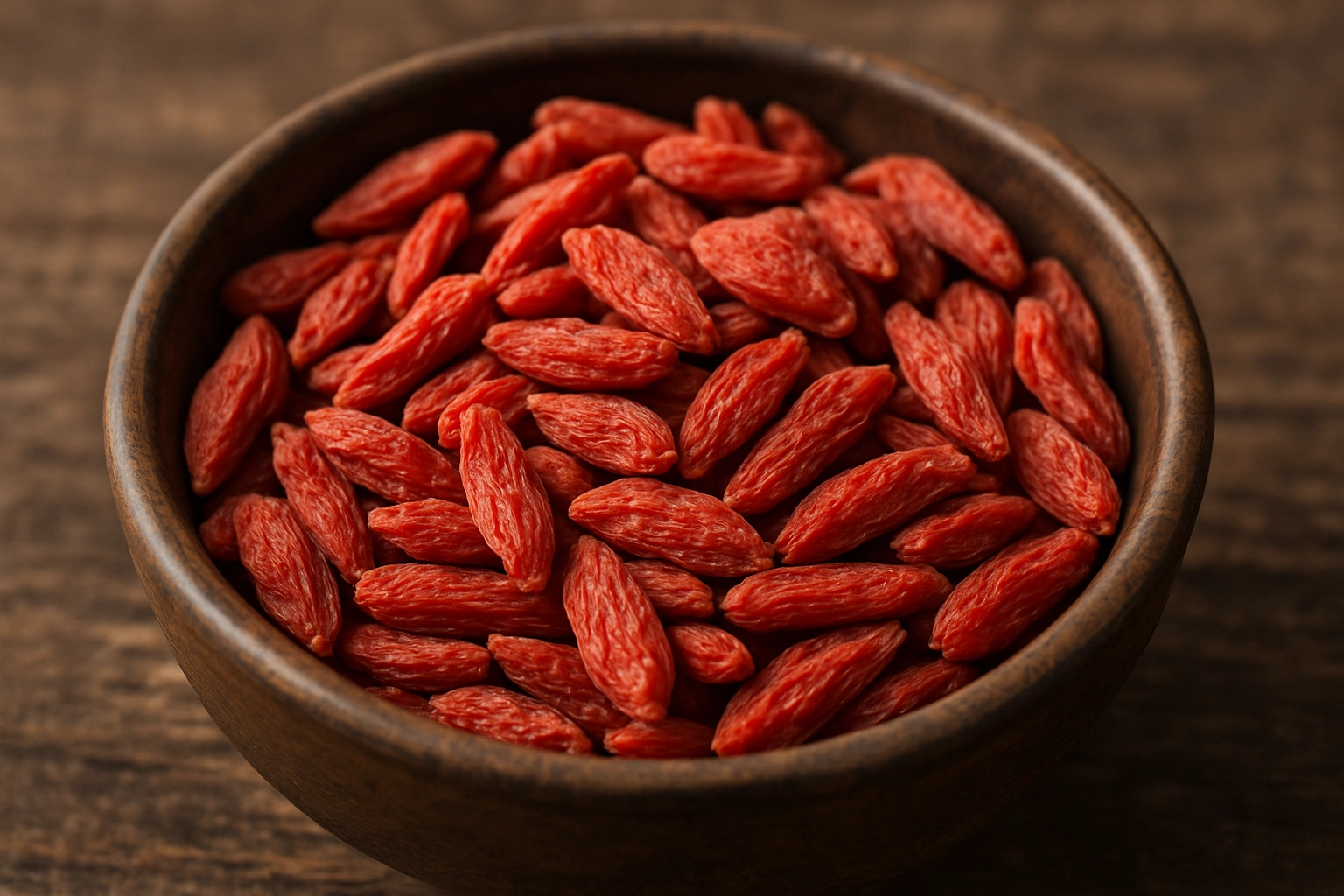
What Is Known About Pregnancy-Specific Safety
There are very few clinical studies specifically evaluating goji berry intake during pregnancy, so no definitive conclusions can be drawn about its effects.
Animal and laboratory studies (3) suggest potential effects, including:
- Protection against oxidative stress
- Immune modulation
- Increased insulin sensitivity
- Antioxidant activity
However, these findings cannot be directly applied to human pregnancy safety due to the lack of research.
That said, one practical upper limit is about 1 tablespoon (15 grams) per day, not as a long-term "staple."
What we know is mostly indirect, and traditional use does not replace modern pregnancy safety data.
So, if you're asking, are goji berries safe during pregnancy? The most accurate answer is: we do not have enough pregnancy-specific human data to confidently recommend routine use.
Why Caution Is Often Recommended
Goji berries naturally contain betaine, a plant compound that supports liver function, cellular hydration, and methylation processes in the body (4).
Betaine itself is not inherently harmful. In many contexts, it may even provide benefits such as supporting metabolic health and reducing oxidative stress.
However, caution is recommended during pregnancy because some traditional Chinese herbal medicine sources (5) suggest that certain compounds in goji berries, including betaine, are associated with induced menstrual flow and vaginal contractions.
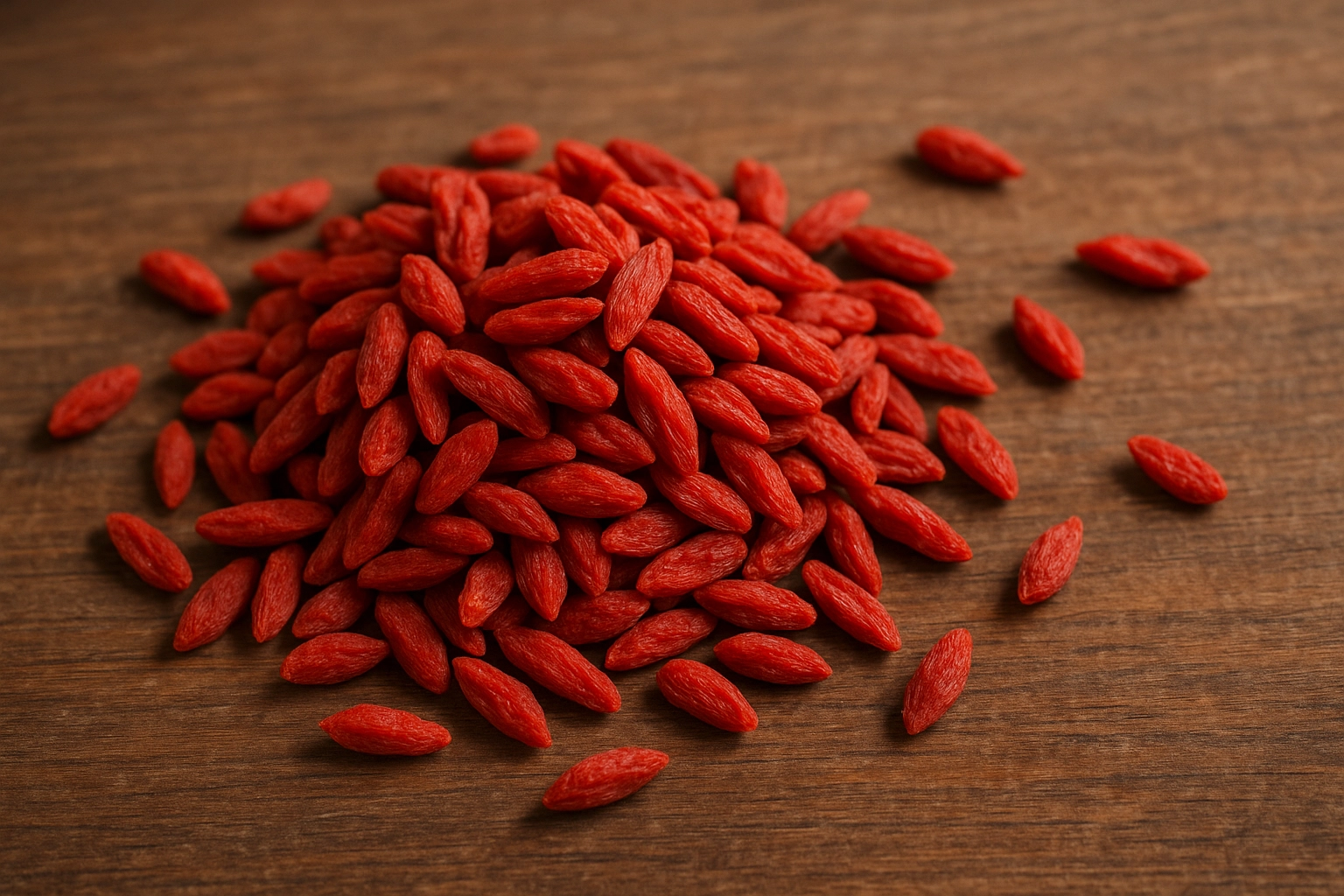
Although there are no current human studies suggesting this correlation, we want to exercise caution and limit our goji berry consumption during pregnancy – just in case. Eating small amounts of dried goji berries occasionally (for example, as a topping on a smoothie bowl, yogurt, or oatmeal) is safe, but regularly consuming large amounts or concentrated supplements is not advisable until more research is available.
Potential Nutritional Benefits Of Goji Berries
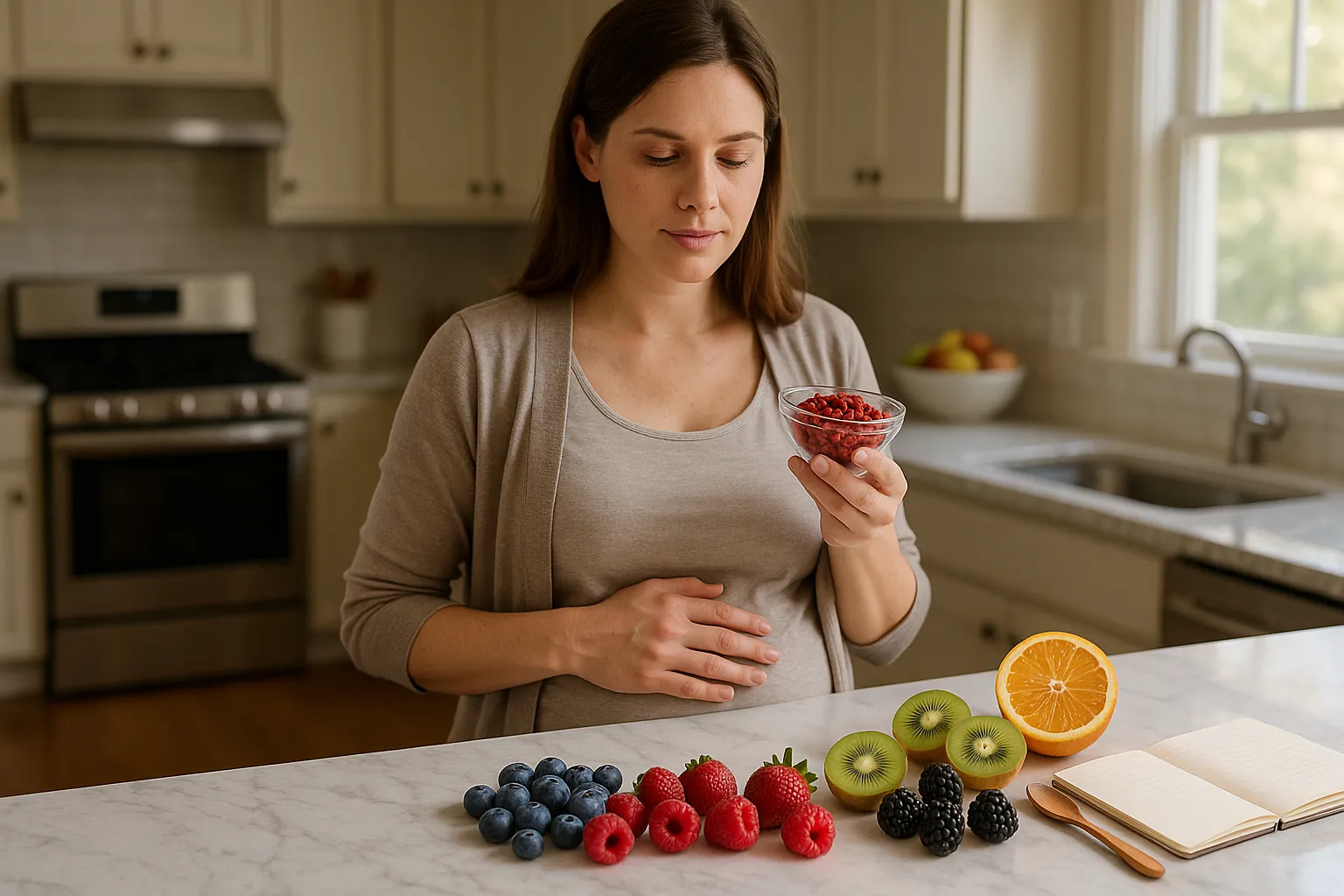
Goji berries are genuinely nutrient-dense. That's part of why they get so much attention. Dried goji berries provide carbohydrates for energy, some fiber, a small amount of protein, and several vitamins and minerals.
A typical serving of dried goji berries, around 5 tablespoons, provides roughly:
| Nutrient | Approximate amount |
|---|---|
| Calories | 98 |
| Carbohydrates | 21.6 g |
| Fiber | 3.6 g |
| Protein | 4 g |
| Calcium | 53.2 mg |
| Iron | 2 mg |
| Vitamin A | 2,250 mcg |
| Vitamin C | 13.6 mg |
Because dried fruit is concentrated, portions matter. A large serving can add up quickly in sugar and calories, even when the fruit itself is a valuable source of nutrients.
Key Nutrients They May Provide
A few standout nutrition points make goji berries appealing:
- Vitamin A compounds:
Goji berries are rich in beta-carotene, a precursor to vitamin A that supports your baby's development, including the eyes, limbs, heart, and immune system, while also helping maintain your own vision, tissues, and immune health during pregnancy (9). Unlike retinol, beta-carotene is not the preformed vitamin A that can be problematic in pregnancy.
- Good source of vitamin C
Goji berries have vitamin C, which is essential during pregnancy. It supports immune function, boosts iron absorption, protects our cells from damage, and is linked to healthier birth outcomes (11).
- Fiber-rich
Goji berries, like many other fruits, contain fiber. Fiber can promote regular bowel movements, helping prevent constipation and preeclampsia (12). Fiber also helps keep us fuller for longer, regulates blood sugar, and supports healthy gut bacteria (13).
- High in antioxidants
Goji berries contain several types of antioxidants that work together to protect our cells from harmful damage, fight inflammation, and support and strengthen our immune systems during and after pregnancy (14).
You may also see goji berries described as an "antioxidant powerhouse." That isn't entirely wrong, but it can be oversimplified. Antioxidants are helpful, yes, but they are not unique to goji berries. Many fruits and vegetables provide them, often with stronger pregnancy safety data.
How They Compare With Other Berries
Compared with blueberries, strawberries, and raspberries, goji berries may stand out for zeaxanthin and certain traditional wellness compounds. They also provide a notable amount of vitamin A-related carotenoids.
But there's a tradeoff.
Other berries are usually better studied in pregnancy, easier to incorporate in larger portions, and less likely to raise concerns about herbal-type bioactive compounds or medication interactions.
So, while goji berries may offer nutritional benefits, they are not nutritionally essential if you are pregnant.
For many people, it is easier and lower "risk" to get similar benefits from fruits like:
- blueberries
- strawberries
- raspberries
- blackberries
- oranges
- kiwi
If your goal is more fiber, vitamin C, and antioxidants, you have plenty of options.
Possible Risks And Interactions To Consider

This is where goji berries deserve more careful attention in pregnancy. Not because they are automatically dangerous, but because there are several areas where caution is reasonable.
Blood Sugar, Blood Pressure, And Medication Concerns
Goji berries may affect glucose metabolism and blood pressure. That can matter if you:
- have gestational diabetes or preexisting diabetes
- take blood sugar-lowering medication
- take blood pressure medication
- take anticoagulants such as warfarin
Potential concerns include:
- Lower blood sugar: This could amplify the effect of diabetes medications and increase the risk of low blood sugar in some people.
- Lower blood pressure: This may be relevant if your blood pressure already runs low or if you take antihypertensive medication.
- Warfarin interaction: Goji berries have been linked to potentially increased anticoagulant effects, which may raise bleeding risk.
If any of those apply to you, it is best not to self-experiment.
Gentle disclaimer: if you have symptoms such as dizziness, unusual bruising, shakiness, faintness, severe headaches, or concerns about blood sugar or blood pressure, contact your healthcare provider promptly for individualized guidance.
Allergy, Digestive, And Product Quality Issues
A few other practical concerns matter too:
- Allergy: Though uncommon, some people may react to goji berries, especially if they have sensitivities to related plants.
- Digestive upset: Larger portions of dried fruit can cause bloating, loose stools, or stomach discomfort.
- Concentrated products: Powders, extracts, juices, and supplements may deliver much higher levels of active compounds than a single serving of food.
- Product quality: Imported dried fruits and herbal products can vary in purity, processing, and labeling quality.
This is one reason food-first guidance is so important. If goji berries are used at all in pregnancy, whole dried berries in small amounts are generally a more cautious choice than concentrated forms.
Also, watch portion size if you are pairing them with other sweet foods. Dried fruit is easy to overeat because the volume looks small, but the sugar load is more concentrated than that of fresh fruit.
Safer Ways To Include Goji Berries In Pregnancy
If you love goji berries, keep it simple and food-based.
Safer ways to include goji berries in pregnancy may include:
- sprinkling a small amount on oatmeal or yogurt
- mixing a few berries into a homemade trail mix with nuts and seeds
- blending a modest amount into a smoothie with protein, such as Greek yogurt or soy milk
- soaking a few dried berries in warm water to soften them before adding to cereal
A few practical tips can make them easier to tolerate:
- Pair them with protein or fat to support steadier blood sugar
- Use them as a garnish, not the main ingredient.
- Choose plain dried berries rather than "wellness blends" with multiple herbs.
- Skip concentrated goji juice, tinctures, powders, and capsules during pregnancy unless your care team specifically approves them.
If you have gestational diabetes or are monitoring blood sugar, pairing dried fruit with protein can be especially helpful. For example, a spoonful of unsweetened yogurt is usually a steadier choice than adding it to juice.
That said, if your main goal is prenatal nutrition, there is no need to force goji berries into your routine. They can be optional, not essential.
Quick Summary
Goji berries contain beneficial nutrients, but research on their safety during pregnancy is limited. Small amounts of food may be acceptable for some people if their provider agrees. Regular use, large portions, or concentrated products are harder to support with confidence.
When to Seek Medical Advice
Please contact your healthcare provider promptly if you have:
- vaginal bleeding
- contractions or cramping that concern you
- fainting, severe dizziness, or shakiness
- signs of an allergic reaction
- unusual bruising or bleeding if you take blood thinners
- questions about whether a food, tea, or supplement fits your pregnancy care plan
This article is educational and does not diagnose or treat any condition.
Practical Fruit Alternatives With Better Pregnancy Safety Data
Here's a quick comparison:
| Fruit | Why it's useful in pregnancy | Notes |
|---|---|---|
| Blueberries | Antioxidants, fiber | Strong everyday option |
| Strawberries | Vitamin C, hydration | Easy snack or topping |
| Raspberries | Fiber, antioxidants | Good for yogurt or homemade jam |
| Blackberries | Fiber, vitamin C | Great for constipation relief |
| Kiwi | Vitamin C, digestion support | Tart, refreshing choice |
| Goji berries | Vitamin A compounds, zeaxanthin, fiber | Use more cautiously due to limited pregnancy data |
If your nutrition goal is to support immune health, digestion, and overall dietary quality, these fruits can do that well without the same level of uncertainty.
Lookup The Safety of Any Food
Curious about the safety of a food, drink, or ingredient? Our app empowers you to instantly check if what you're eating is safe—no guesswork required. Simply enter any food, beverage, or ingredient into our search, and you'll access evidence-based guidance created and approved by registered dietitians.
Whether you have allergies, dietary restrictions, or just want peace of mind, our expert-backed database puts reliable food safety information right at your fingertips.

Ryann Kipping
Licensed Dietitian & Founder of The Prenatal Nutrition Library
Prenatal dietitian with a Master's in Public Health and author of The Feel-Good Pregnancy Cookbook. Founder of The Prenatal Nutrition Library App.

Make pregnancy nutrition simple.
Get custom meal plans, 600+ dietitian-approved recipes, and our "Can I eat…?" search—plus, trimester-by-trimester nutrition priorities and more.